
Avoiding the Cymbal
An Introduction to a Life in Film Criticism

by Floyd Webb
Her name was Miss Cooper and she was a redhead in a room that didn’t know what to do with her. Neither did I, but for different reasons. I was nine years old, I stuttered badly, and I had learned early that the safest place in any room was the edge of it — close enough to watch, far enough to survive.
I don’t remember what I wrote that day. Fourth grade, cursive, one page. What I remember is that for once I meant it. Did it with intent, not obligation. Something in that showed.
Miss Cooper stopped the class and told everyone I was going to be a writer.
It scared me and it excited me in equal measure. Which is, I’ve since learned, exactly what the truth feels like when it arrives before you’re ready for it.
The stutter made my own voice a stranger to me. When I spoke, the words jammed at the gate. My thoughts arrived faster than speech could carry them and rather than deliver them damaged, truncated, interrupted — I withheld them. So I went looking for my voice everywhere else. I got lost in books because in books no one could hear me struggle. I made model rockets, model cars. I made bamboo flutes — built an instrument to produce the sound my throat refused. I rode a skateboard in the projects in 1963 when the wheels were still metal and the concrete announced you from a block away.
I tried everything that didn’t require permission and didn’t require speech. I was looking for the instrument that fit. The one where what was inside me could get out clean.
Because I read widely and was taught to value knowledge, it often got me in trouble. I had opinions I could not articulate at the speed I thought them. So I went quiet in rooms where I should have been heard. What looked like insecurity was something more specific — a quality control decision made under impossible conditions. The page didn’t just give me a voice. It gave me the pace I actually think at.
The stutter took my literal voice so I built other ones. That’s not compensation. That’s formation.
Miss Cooper’s declaration did what declarations do when they land in the right soil. It grew something.
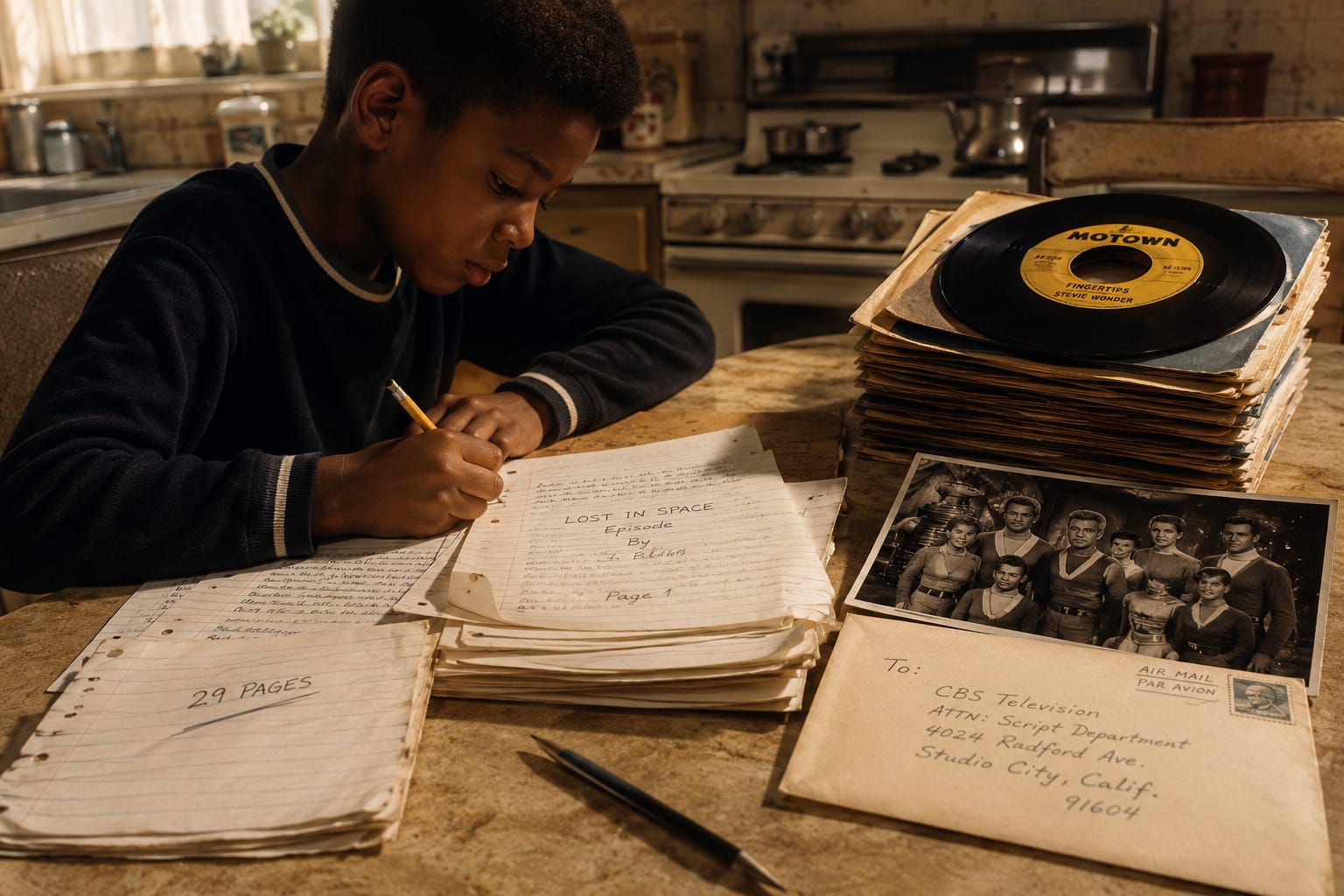
The following year I wrote a twenty-nine page episode of Lost in Space. I left space for the commercials. I understood the form — had studied it from the inside of the screen every week until I knew where the breaks came and why. Miss Luckett, my fifth grade teacher, read it. She couldn’t judge it, didn’t pretend to, but she didn’t flinch either. She said if that’s what you want to do, you should do it.
So I mailed it to Hollywood.
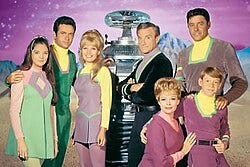
What came back was a cast photo. No note about the story. No rejection, no acceptance — just the faces of the people I’d been writing for, staring back at me from an envelope.
It was enough. More than enough. I had written it. I had sent it. The work had traveled. At ten years old that was the whole lesson — that the making and the sending is the thing, and what comes back is secondary.
We had come from Mississippi to the west side of Chicago, and with us came everything we were and everything we were becoming. In the new apartment there was a small black and white television, and in the mornings before school it ran silent films — Mack Sennett, Charlie Chaplin, Harold Lloyd — alongside cartoons and old features I watched with a hunger I couldn’t name. Film noir especially. Those deep shadows, that dramatic music, the way darkness was used as architecture. I didn’t know the word cinematography. I knew what it felt like to watch a frame composed like a threat.
My father subscribed to everything. Time, Life, Look, Popular Science, Popular Mechanics, Reader’s Digest. Some kind of magazine warehouse arrangement that meant our home was never without images and language arriving fresh. Reader’s Digest for the vocabulary quizzes. Time, Life, and Look for the photography — my second love forming itself quietly alongside the first.
On the cocktail table in the living room: Ebony and Jet. Always. Alongside the TV Guide, which I collected.
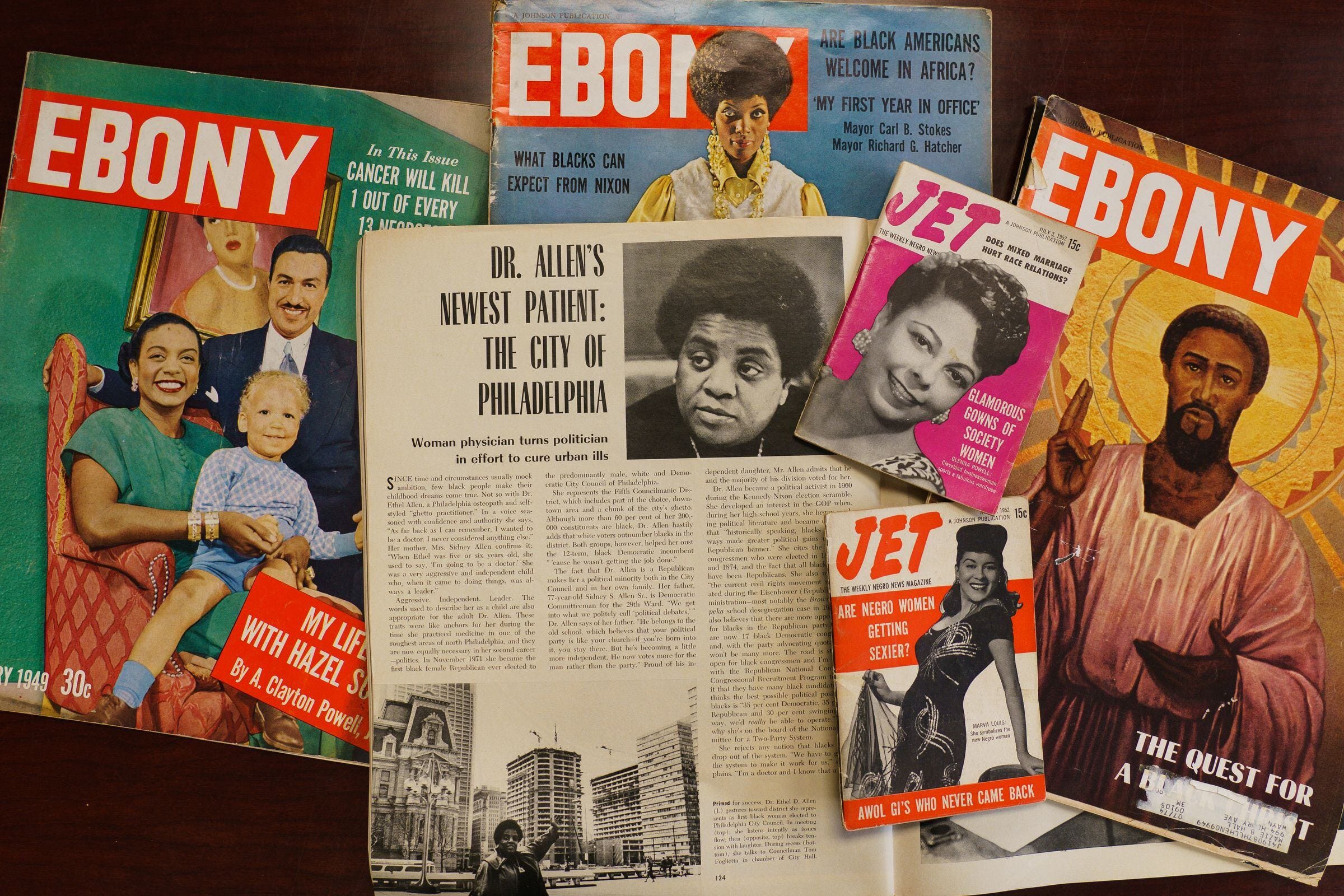
The white world was everywhere outside and on most of those screens. Ebony and Jet gave me back my place in it. Told me I existed. That people who looked like me were worth the frame, worth the page, worth the careful light. That’s not a small thing to give a child. That’s the difference between growing up with a self and growing up without one.
Before he shipped out, my father took me with him to Central Camera on Wabash Avenue — it’s still there, which means something to me now that I couldn’t have articulated then. He was buying film for a 35mm he owned and had never taught me to use. I watched him handle it. Filed that away.
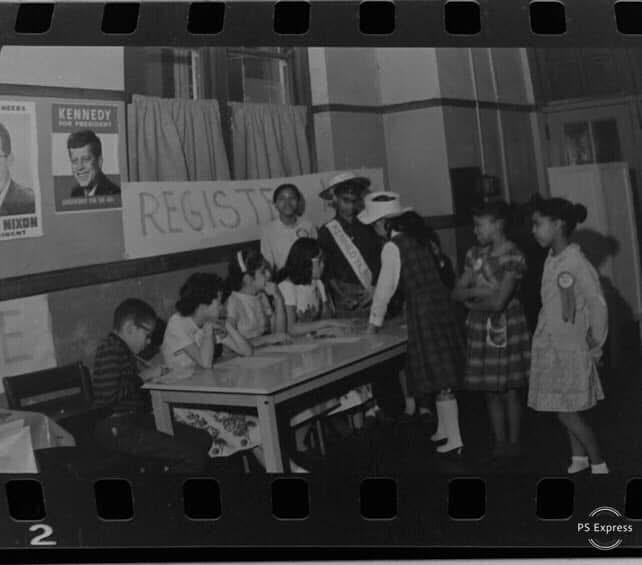
Mr. Gaynor, my third grade teacher at John C. Haines Elementary in Chinatown, was a photographer. He shot the class, ran an after school program, and talked about Gordon Parks the way you talk about someone who has proven something important. He showed us Parks’ photographs of the Black Muslims. I stood in front of one of those images and understood immediately that a camera was not just a recording device. It was an argument. It was a stance. It was exactly the instrument I had been looking for without knowing its name.
A camera was not just a recording device. It was an argument. It was a stance.
I wrote my father in Vietnam. I had overheard someone say how cheaply you could buy cameras there. I asked him to send me one.
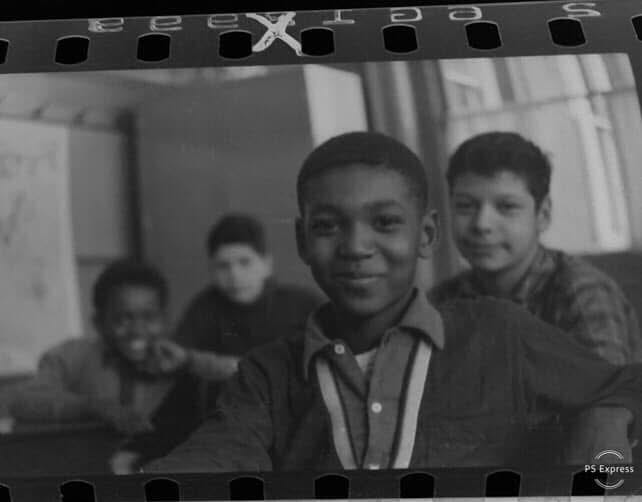
He sent a Brownie Starmite. Not the 35mm I wanted.
I got over the disappointment before it could settle. I had a camera. I was happy. The instrument was in my hands and that was the whole point. The Brownie wasn’t the limitation. The Brownie was the beginning.
Every instrument I reached for was the same search. Writing. Rockets. Bamboo flutes. A television episode mailed to Hollywood. The camera. Each one a way of saying — I am here and I have something to tell you. The stutter took my literal voice so I built other ones. That’s not compensation. That’s formation.
Music was the first battleground. I was born into the blues in the Delta — the mythology was in the blood before I had language for it. Coming to Chicago the blues was everywhere and alive and contested simultaneously. The arguments about country versus city, acoustic versus electric, were not aesthetic debates.
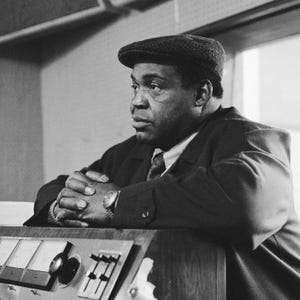
They were arguments about who gets to say what the music is allowed to become. Then I fell in love with jazz, and the musicians I loved most — Coltrane, Ayler, Dolphy — were being vilified for venturing outside what the industry would sanction. The AACM took that further still, playing to fifty people in Chicago and five thousand in Europe. Hearing that music silenced my ear to the critics.
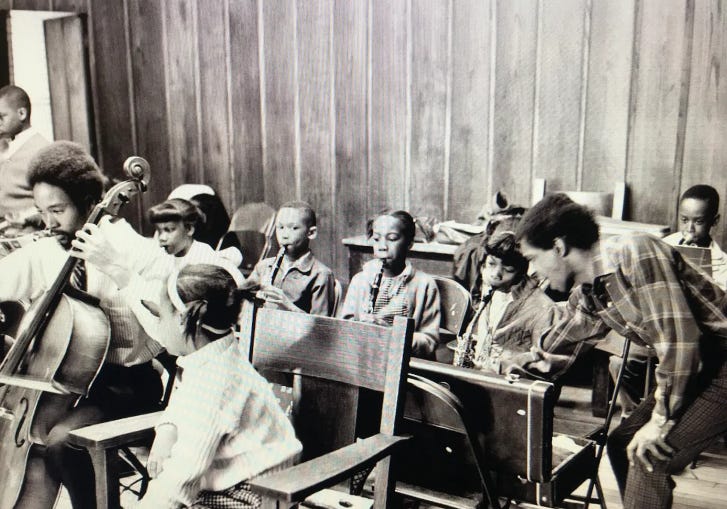
I didn’t need anyone to tell me what to feel. What I learned instead was to read critics carefully — for what they miss, for what they suppress, for which direction the amplifier is pointing.
The same dynamic was playing out in cinema. Julie Dash and Barbara McCullough carried the films of Charles Burnett, Billy Woodberry and others to Cannes in 1979 and screened them from a hotel room. What grew from that act was Les rencontres du cinéma noir américain indépendant, created for FNAC in Paris in 1980.
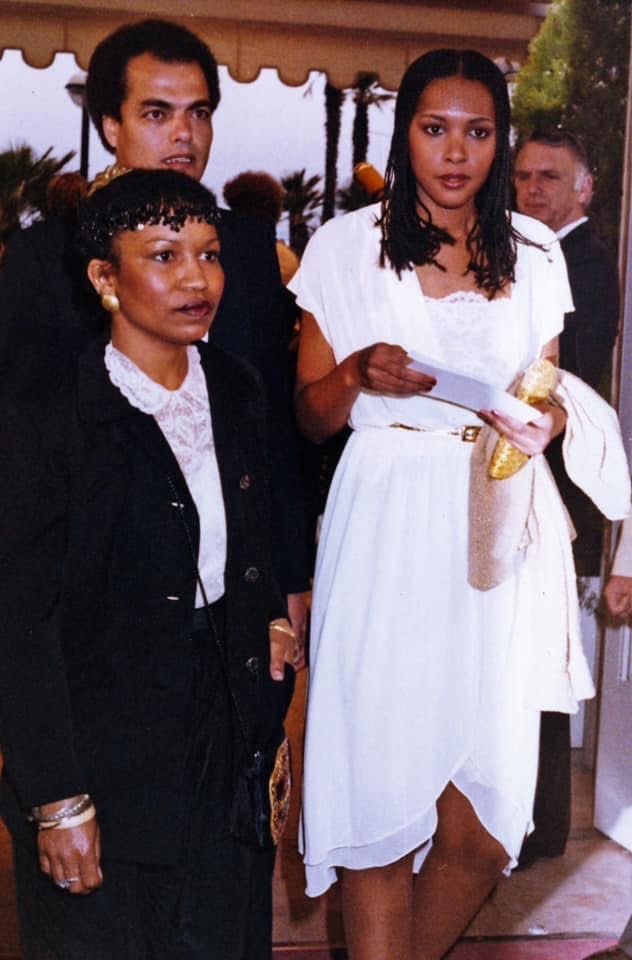
I was not in Cannes but I was in the network — at the first Black Filmmakers Foundation conference in New York that same year, where I met Julie and Barbara for the first time.
In 1982 I screened my own experimental film — Flesh Metal Wood — at the Commonwealth Institute Black Film Festival in London. Everything I was making at that point was tied to music. I couldn’t yet make the film I wanted, so I made the one I could — a meditation on experimental music, influenced by the work I had been running through projectors as a projectionist at Chicago Filmmakers. I had shot it myself, edited it on a flatbed, spliced it by hand, delivered it to the lab for the final print. Sitting in that theater watching my visible edit points projected large in the dark, I shrank into my chair. But I was elated by what I was seeing around my work — the same elation I had felt in New York three years earlier. In London I reconnected with my lifelong friend Menelik Shabazz, who was premiering his first feature, Burning an Illusion. We had met in the 1970s when I was heading to Tanzania.
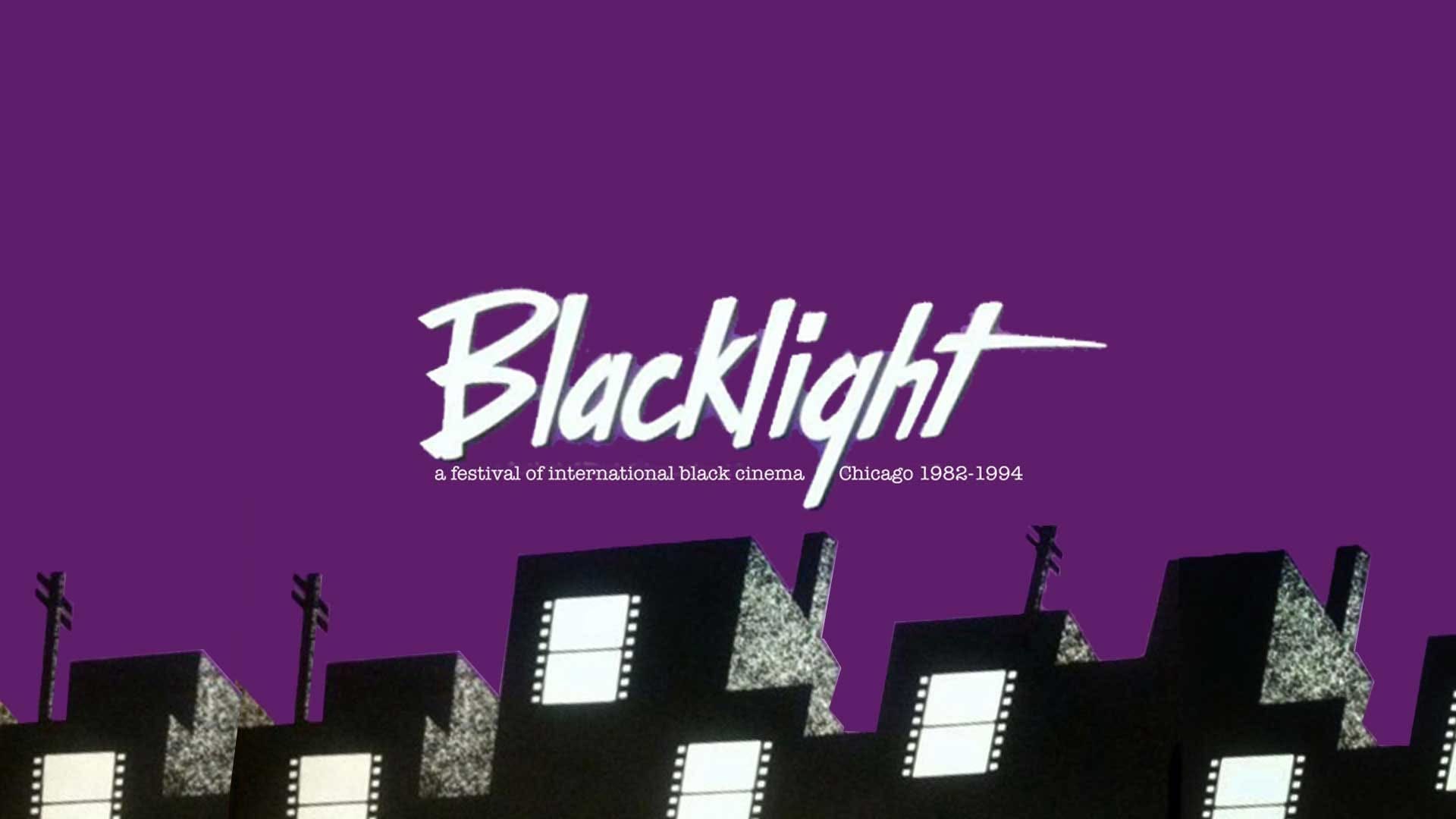
Somewhere in the conversation between us — two filmmakers, an ocean away from home, watching what was possible — Black Light Film Festival was born.
Chicago house music was born Black, born underground, born on the South Side. In September 1986 i-D magazine — with its international newsstand distribution reaching fashion stores and design circles far beyond the music press — ran a four-page feature on it. Stuart Cosgrove made the same journey from London for NME that same month. The music had already climbed to the top of the UK charts while at home it was still fighting to be heard. My baby sister understood what the Village Voice could not.
Later I worked as associate producer on Julie Dash’s Daughters of the Dust. I was in the credits. I knew what every frame of that non-linear structure cost, what it stood for, what it refused to surrender.
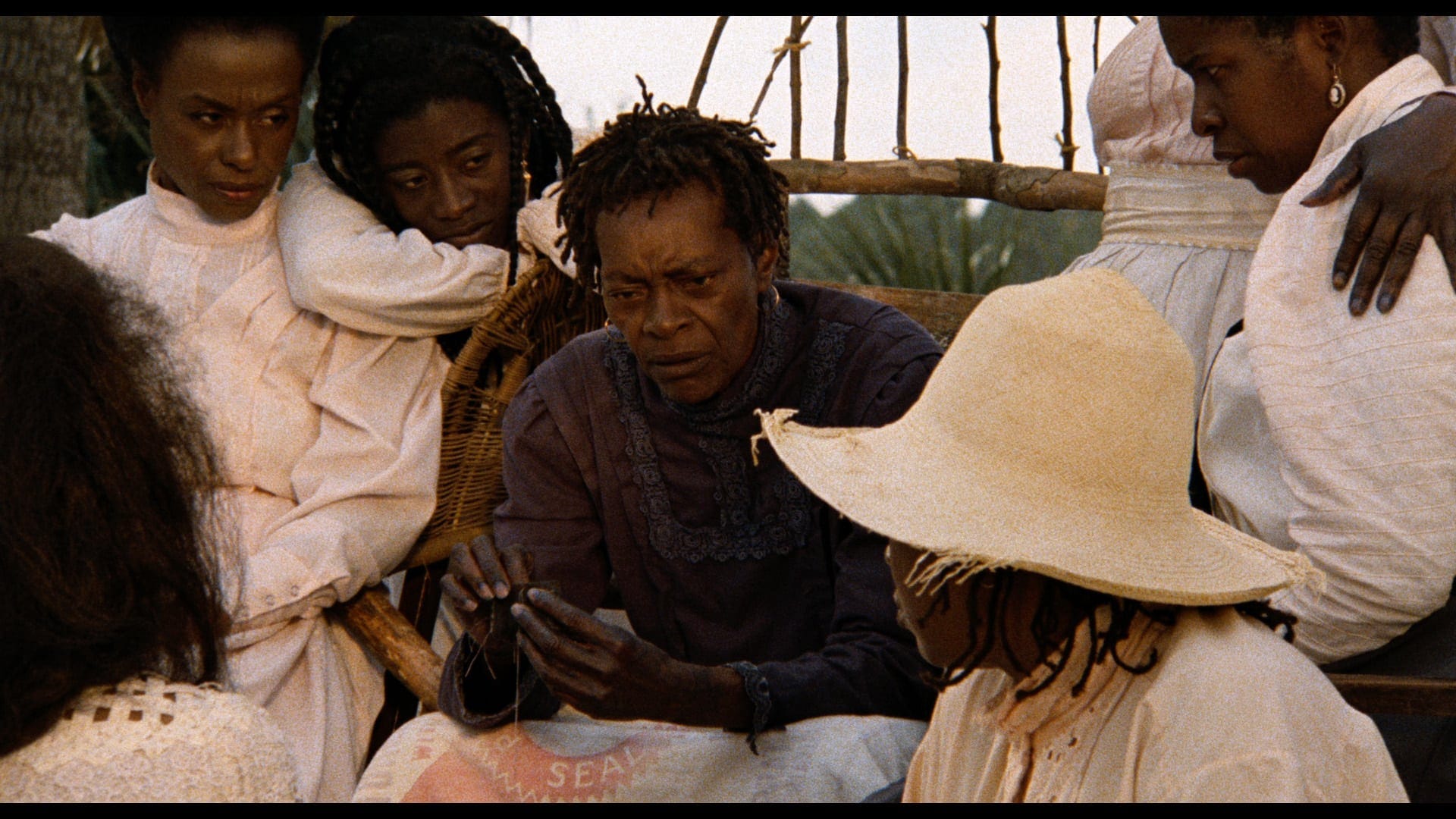
The film was vilified anyway — for its storytelling, which is to say for being precisely what it needed to be. It waited twenty-five years for real distribution. Cohen Media Group finally picked it up.
This was not a series of separate movements. This was Chicago — one continuous act of creation, one ecosystem, blues to jazz to experimental film to independent cinema to house music, each generation adding to what the last had built, all of it moving through the same South and West Side neighborhoods, all of it finding its audience abroad before it was honored at home.
This was not a series of separate movements. This was Chicago — one continuous act of creation, one ecosystem, blues to jazz to experimental film to independent cinema to house music.
I learned to read critics carefully because of what I watched them miss, suppress, and get wrong. The critical apparatus is also an amplifier. And amplifiers have a history of pointing in one direction.
At eighteen I wrote a screenplay about growing up in the shadow of Fred Hampton — watching, as a teenager living in proximity to him on the West Side of Chicago, the rise and fall of a man I understood through what he built rather than how he died. I was sixteen when they killed him. What I had witnessed was the breakfast programs, the clinics, the ambulance. The infrastructure of care he was building in the neighborhood where I lived. What they told me, in the room where the screenplay died, was that they needed more of the shootout. The spectacle.
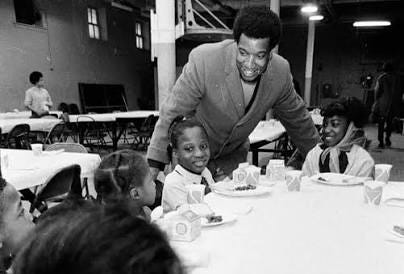
I didn’t have enough of that because that wasn’t what I witnessed. What happened wasn’t editing — it was a demand that I unsee what I had seen and replace it with what they already believed the story had to be. I didn’t yet have the armor to fight for it in that room. So I left the room.
What happened wasn’t editing — it was a demand that I unsee what I had seen and replace it with what they already believed the story had to be.
So I did what the jazz formation teaches. I went back to the instrument I could trust. The camera. And instead of Lightnin’ Hopkins’ freight train — the blues man’s vehicle of necessity and escape — I took a jet plane. I needed to discover what I wanted to say because I really didn’t know yet. The Hobo Blues project became the woodshed.
Which is how I have approached everything. The jazz formation is a living method. To play the music, we learn the theory after we know what we want to play, who we love to listen to. We learn the circle of fifths after our ear already knows the changes. We go to the jam session and we fail until we rise. The constant woodshed.
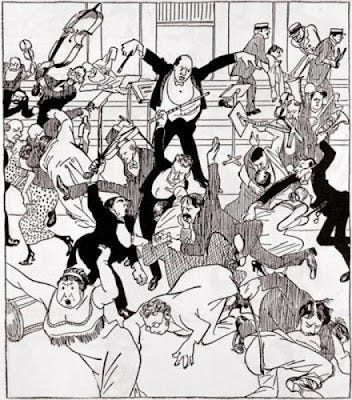
In the old days of jam sessions, when a musician came to play before a live audience and failed — was lacking in technique, had nothing ready for the room — the drummer threw the cymbal.
Public expression has always had consequence. The riot after Stravinsky’s Rite of Spring. The out-of-tune soul singer at the Apollo meeting the crowd’s verdict before the second verse. The cymbal is not cruelty. It is the audience asserting that standards exist. That music is a public covenant, not a private indulgence. The thrown cymbal says: you came here unprepared, and we will not pretend otherwise.
There is a democracy in that brutality. The Apollo crowd didn’t care about your reputation or your credentials. They heard what you brought.
I have spent forty years woodshedding because I know the cymbal is real. Not to avoid risk — to arrive prepared enough that the risk is honest. There is a difference between the critic who never writes to protect himself, and the critic who waits until he has something worth the room’s judgment.
I want to write about film. Not new films particularly — I have been discovering films I missed, returning to films I thought I understood and finding I didn’t, seeing everything now with what I can only call an iron understanding. There was a period I thought I was falling out of love with cinema. Then suddenly I was back. That return feels important. Like the love that survives its own doubt is the only love worth trusting.
I am not a disinterested observer. I have worked on sets. I know what the distance looks like between what a film intended and what the production process allowed it to become. I know what survives the making and what doesn’t. That knowledge doesn’t compromise the criticism. It deepens it. I am not just watching the film. I am watching what survived.
I am not just watching the film. I am watching what survived.
That eye doesn’t stay in the theater. I came to Substack to prepare myself to write my autobiography — to build the habit, to gather the work, to find out what I had accumulated worth saying at length. A week later I watched federal agents snatch people off Michigan Avenue on a summer afternoon. A B movie invasion — except the stakes were real and the people being taken were real. The kind of thing Costa-Gavras spent his career elegantly warning us about. Z. Missing. Except this was Chicago. This was now.
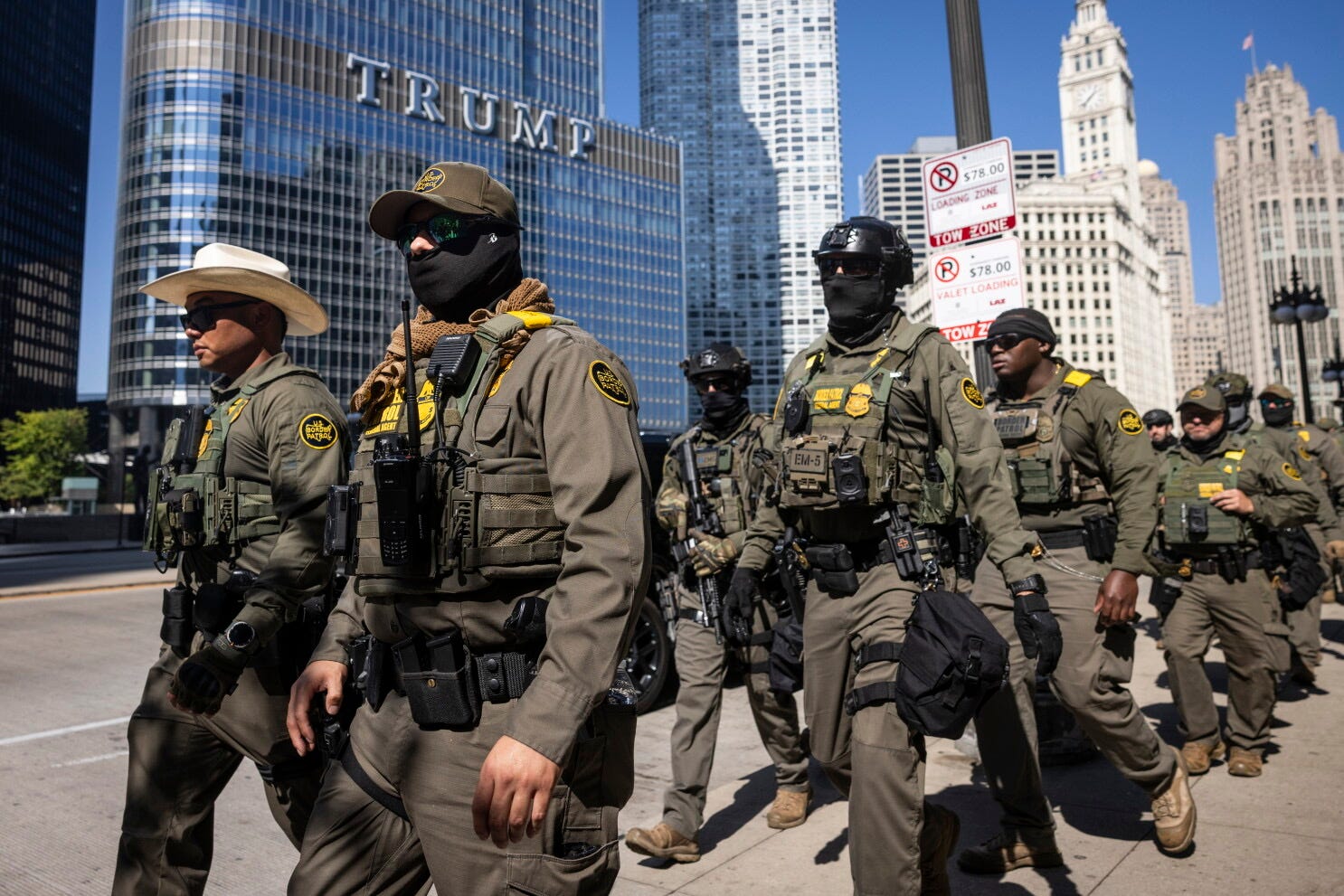
So once again I was given multiple choices and chose to do both. The autobiography continues. Political essays exist alongside it. A creative life doesn’t wait for you to finish the last thing before the next thing demands to be said. The world keeps doing too much and I am paying attention. That is not a character flaw. That is the job.
People have told me my whole life that I try too many things. That I do too much. I agree completely. A creative life is a life of adventure and motion, for better or worse, and I stopped apologizing for that somewhere along the way. Jorge Amado understood it — I believe it was Pedro Archanjo in Tent of Miracles who said you can’t make love to every woman in the world. To which the only honest answer is: but you can at least try.
That’s my relationship to the arts. To creativity in general. A perpetual courtship with the possible. Amado’s Archanjo was a mestizo scholar working outside every official institution, making culture from whatever was at hand. A man whose home was simultaneously a barber shop, a cultural center, a print shop, an artist’s studio. That lineage I recognize.
So here I am. The kid who stuttered and went quiet because his thoughts moved faster than his tongue. Who wrote a Lost in Space episode at ten and mailed it to Hollywood and got back a cast photo and called it enough. Who learned to see from film noir shadows and Gordon Parks and Ebony magazine on a cocktail table in Chicago. Who had something taken from him at eighteen and picked up a camera instead and took a jet plane where Lightnin’ Hopkins took a freight train. Who woodshedded for forty years at the point of production, watching what survived the making and what didn’t.
The cymbal is real. The standards are real. I’ve been in enough rooms to know what it sounds like when someone isn’t ready.
I spent a lifetime finding the instruments to carry what my voice couldn’t. I know what I’m carrying now.
I’m ready.
Floyd Webb is a filmmaker, photographer, curator, and writer whose work explores the intersections of Black culture, cinema, music, technology, and social movements. Born in Mississippi and raised between the Mississippi Delta and Chicago, he has spent more than five decades documenting artists, activists, and communities across the African diaspora.
Further Reading
James Baldwin. The Devil Finds Work. Dial Press, 1976.
A book-length essay that is both memoir and political reckoning — Baldwin watching American cinema from childhood to the 1970s and naming precisely what it does to the people it claims to represent. The model for what criticism looks like when the writer refuses to separate the personal from the political, the screen from the street.
bell hooks. Black Looks: Race and Representation. South End Press, 1992.
The foundational text on the oppositional gaze — the act of looking back as resistance. hooks argues that Black spectatorship is not passive reception but critical practice. The chapter “The Oppositional Gaze” is essential reading for anyone who wants to understand what it means to watch from outside the dominant frame.
Manthia Diawara, ed. Black American Cinema. Routledge, 1993.
The first major critical anthology on Black American film, from Oscar Micheaux to Spike Lee. Includes Toni Cade Bambara’s landmark essay on Daughters of the Dust and the Black independent cinema movement — written by someone who understood the work from the inside.
Ed Guerrero. Framing Blackness: The African American Image in Film. Temple University Press, 1993.
A clear-eyed history of how commercial cinema has represented — and systematically distorted — Black life, from Birth of a Nation to the independent film wave of the 1990s. Guerrero names the apparatus and traces how it operates.
Clyde Taylor. The Mask of Art: Breaking the Aesthetic Contract — Film and Literature. Indiana University Press, 1998.
Taylor exposes aesthetics itself as a political instrument — a tool of ethnocentricity disguised as universal judgment. The book the amplifier metaphor was written for.
Jim Pines and Paul Willemen, eds. Questions of Third Cinema. British Film Institute, 1989.
The essential anthology on cinema as a political and decolonial practice, drawing on African, Asian, Latin American, and diasporic filmmaking traditions. Includes Clyde Taylor, Haile Gerima, Teshome Gabriel, Trinh T. Minh-ha, and Homi Bhabha — a room full of people who knew which direction the amplifier was pointing.
Manthia Diawara. African Cinema: Politics and Culture. Indiana University Press, 1992.
Diawara maps the political and aesthetic terrain of African cinema as it emerged from colonialism — the struggles over who controls the image, who funds it, who distributes it, and who it speaks to. Essential context for understanding why Black art finds its audience abroad before it finds recognition at home.
Roger Ebert. Life Itself: A Memoir. Grand Central Publishing, 2011.
The mainstream American critic at his most honest — a memoir about how a life in film criticism is also a life, shaped by class, by place, by the particular formation of a man who took popular cinema seriously as art. A useful counterpoint: what the dominant critical tradition looks like from the inside of it, written by someone who knew the difference between the movies and the world.
Amazing story! Inspiring to read.
You’re as ready as you’ll ever be to tell your story. I enjoyed the sneak peak today, and the photos of you as a budding artist in elementary school.