
Before the Internet, There Was the Fire
A genealogy of toxic and hate speech — tracing how every medium amplifies the will to wound.

Toxic speech did not begin with the internet. From campfires to printing presses, general stores to talk radio, every new medium has carried humanity’s oldest flaw: the will to wound. Technology is merely the envelope; the message has always been ours.
Key Terms
Toxic Speech
The broad category: language that corrodes trust, spreads rumor, wounds reputations, clouds judgment, or weaponizes disinformation. Its defining feature is corrosion — of dialogue, of community, of democracy.
Hate Speech
The vilest form of toxic speech: language that annihilates dignity by targeting entire groups as less than human. Unlike rumor or slander, hate speech is performative — it enacts subordination, legitimizes exclusion, and prepares the ground for violence.
The Fire and the Table
Before radios, telephones, or apps, there was the fire. Families gathered in a circle, the flicker of flame casting shadows as much as it illuminated faces.

The campfire was not just warmth and light — it was the first medium of social exchange. Speech here was intimate, tethered to kinship and survival. Stories passed down knowledge, reinforced bonds, and cautioned against danger.
But these conversations were never truly free. Elders spoke with authority, the young listened, and taboos set the boundaries of what could and could not be said. If a matriarch or patriarch allowed “free speech,” it was permission, not a right.
The family dinner table carried that logic into modern times. In my own household, one prohibition loomed above all: the word hate.
From my great-grandmother down to my mother, no child was permitted to say they hated someone. In the Jim Crow South, where hate defined the very social order, to speak it aloud in our own home was to mimic the oppressor’s tongue.
As a child, I did not fully understand. Later, I realized it was survival wisdom. Hate was a word that burned hotter than fire — corrosive within, destructive without.
The Public Square
When conversation left the hearth, it entered a different stage — the public square.
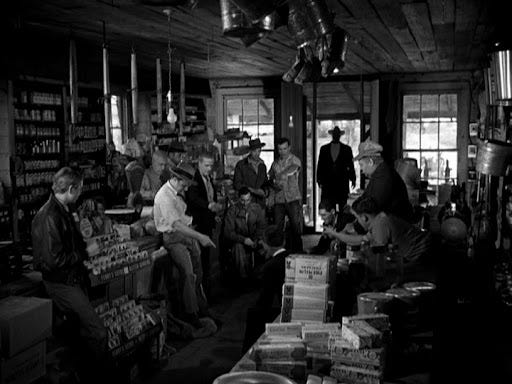
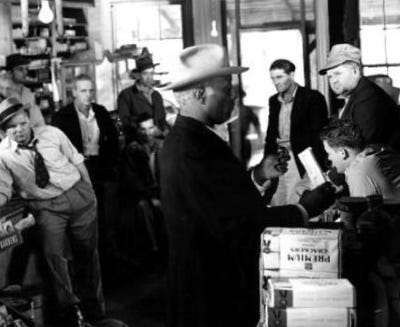
Here, speech became performance. The well, the church steps, the barbershop, the general store: these were arenas where words could wound reputations, shift allegiances, or spark mobs.
Town criers were paid voices of authority. Pamphleteers required presses, which were regulated and commercial. Even here, speech was already entwined with systems — kinship, markets, technology.
This was where the spectrum of toxic speech became visible: rumor, slander, disinformation. And within that spectrum lurked something darker still: hate speech, which did not merely corrode but annihilated.
Printing as Industrial Speech: The Pharmakon of Hate
For centuries, church and crown sought to contain speech. Literacy was rationed, scripture and ritual tightly controlled.

Then, the mid-15th century changed everything. The printing press shattered those boundaries.
Bernard Stiegler called it the industrialization of speech — the moment human expression became reproducible like any other product. Detached from its speaker, words could travel far, multiplied beyond control.
Printing magnified all forms of toxic speech. Gossip became pamphlets. Slander became satire. Disinformation dressed itself as science or scripture.
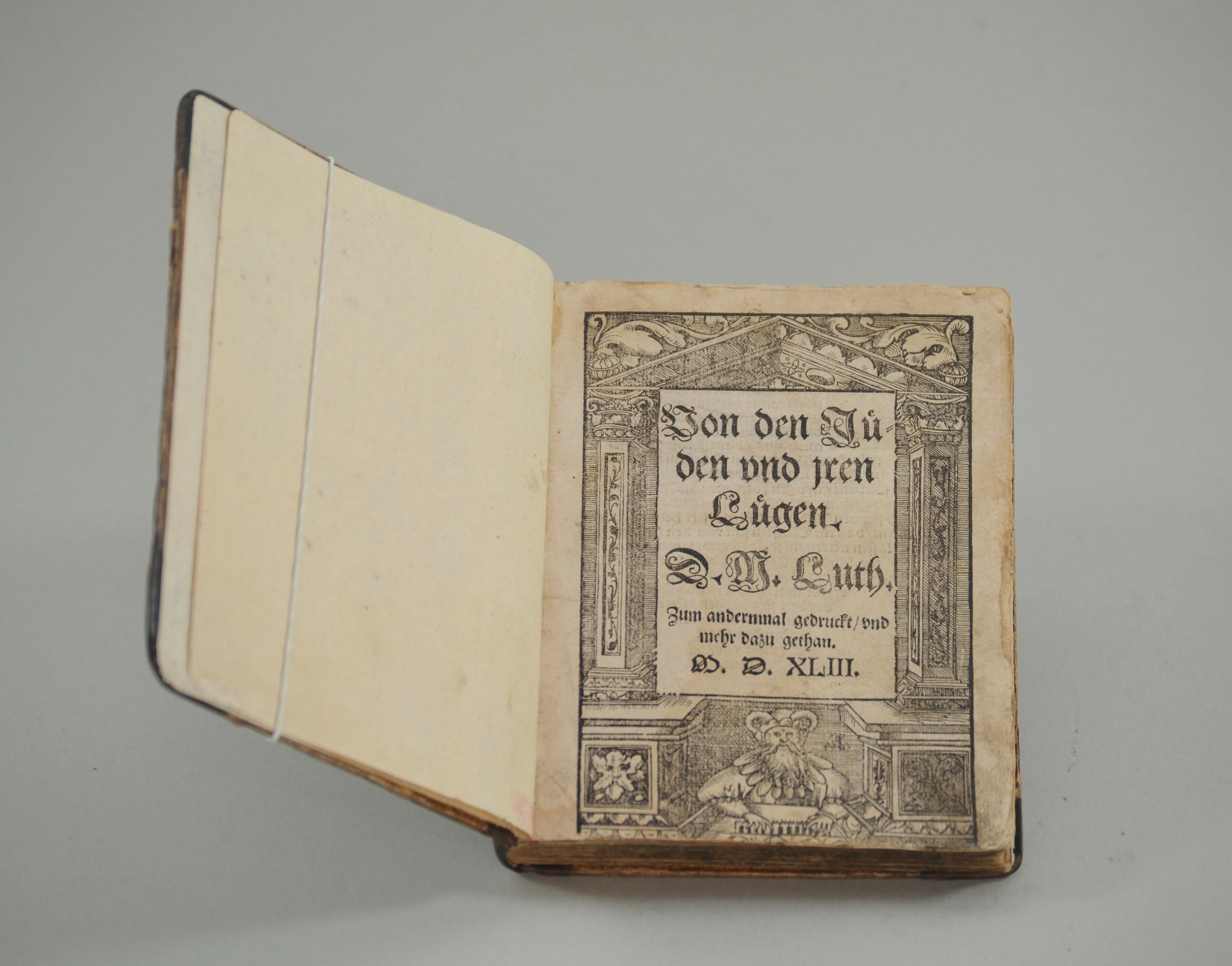
And hate speech — the vilest strain — found new industrial reach:
Martin Luther’s On the Jews and Their Lies (1543).
The Malleus Maleficarum (1487), legitimizing witch hunts.
Pornographic libelles attacking Marie Antoinette.
Colonial conquest narratives glorifying domination.
“Toxic speech corrodes; hate speech annihilates.”
Rumor wounds reputations. Slander erodes trust. Disinformation clouds judgment. But hate speech strips entire groups of dignity, preparing the ground for exclusion and violence.
As Judith Butler argued, hate speech is performative. It enacts the subordination it names.
“The printing press did not invent toxic speech — but it gave even hate speech wings.”
A Mirror in Cinema
This truth echoed in Clarence Brown’s Intruder in the Dust (1949), adapted from William Faulkner’s novel.
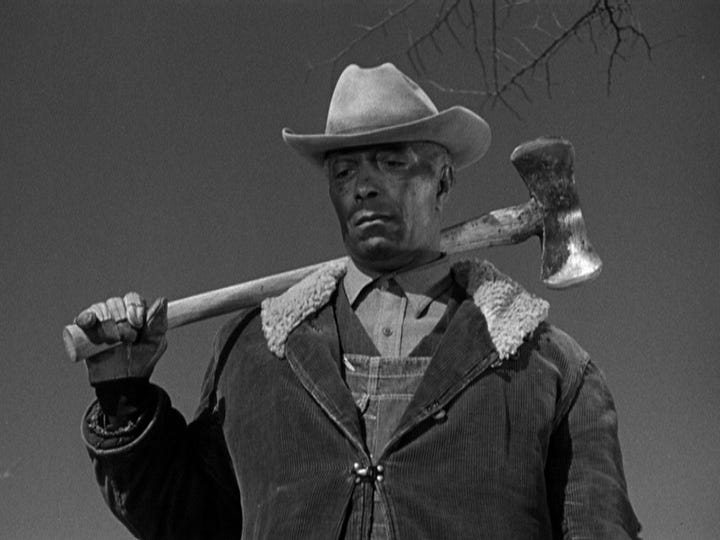
Lucas Beauchamp, a proud Black man falsely accused of murder, enters a small-town general store. His refusal to perform subservience unsettles the white townsfolk, exposing the fragile equilibrium of intimidation and silence.
Intruder in the Dust was part of a short-lived cycle of “message films” — alongside Pinky (1949) and No Way Out (1950) — that dared to confront American racism.
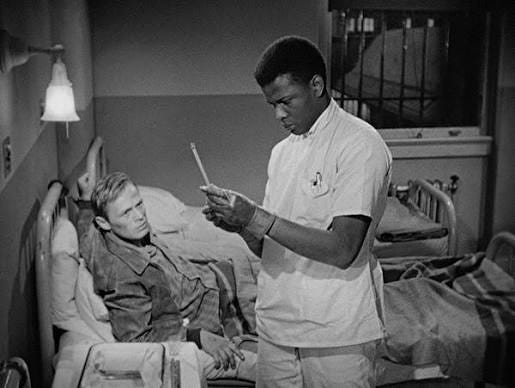
But the cycle was short-lived. The House Un-American Activities Committee (HUAC), through hearings and blacklists, signaled that race-conscious films were politically dangerous. Studios retreated.
“A fragile democracy could tolerate slurs shouted from the store porch, but not indictments projected on the silver screen.”
The mechanism has changed — subpoenas then, algorithms now — but the effect echoes: dissenting voices suppressed, toxic ones amplified.
Analog Amplifications
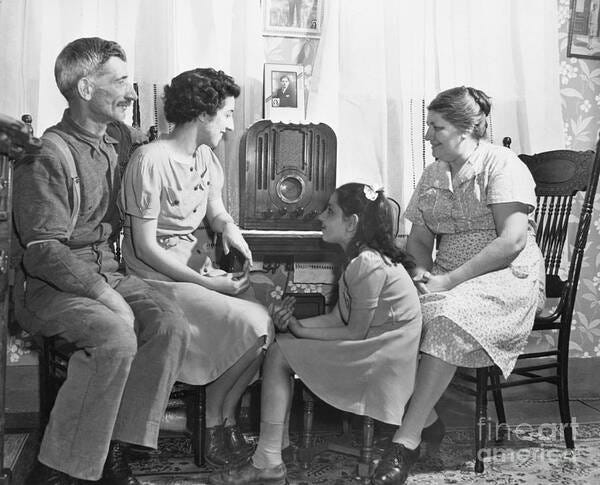
The next revolution was broadcast. Radio dissolved geography. Families tuned in to Roosevelt’s fireside chats, marveling at intimacy across distance.
But the pharmakon always returns. Shortwave carried conspiracy. CB radio built solidarity, but also harassment. Telephone party lines created intimacy, but anonymity bred toxicity.
Then came talk radio.
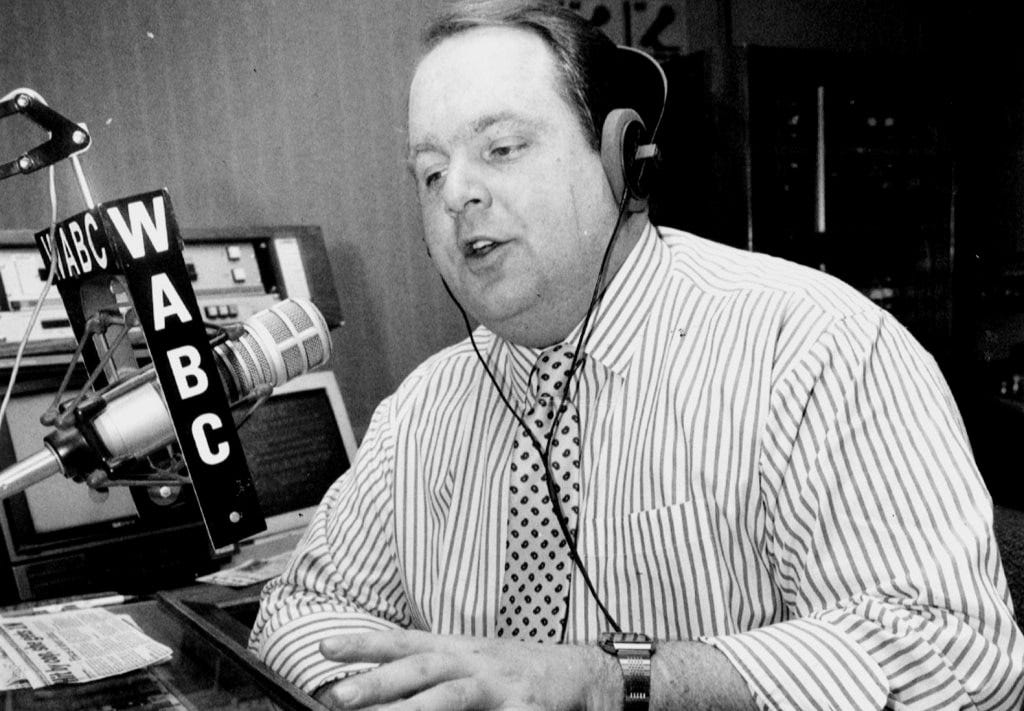
Figures like Rush Limbaugh built empires on antagonism. And when the Fairness Doctrine was repealed in 1987, the airwaves became a breeding ground for outrage.
Audiences grew. Advertising followed. Outrage became a business model.
The Digital Amplification
I came to the internet with utopian hopes. A global commons of knowledge, connection, and free dialogue.
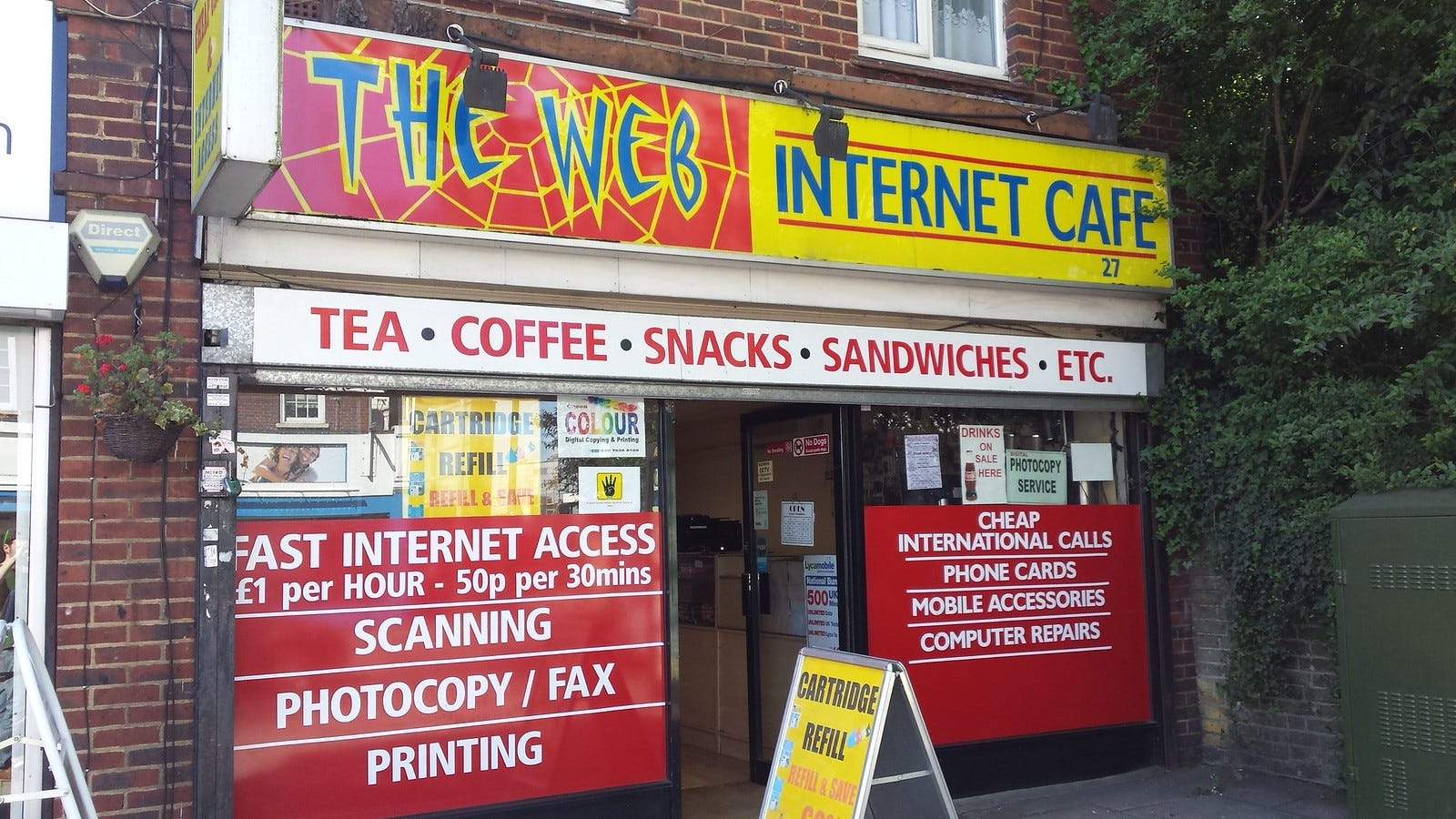
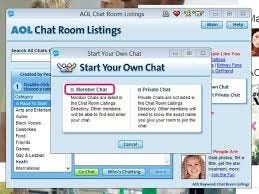
But disappointment came swiftly. Before the internet even had graphics, I stumbled into chat rooms seeded with white supremacy and neo-Nazism.
The internet did not invent toxic speech. It simply amplified it at planetary scale.
Facebook, Twitter, YouTube — they did not recreate the town square. They engineered a new one: algorithmic, profit-driven, global.
The innovation was economic. Platforms perfected the attention economy: human attention itself sold to advertisers. Outrage, fear, scandal — the most efficient ways to harvest it.
Algorithms rewarded provocation. YouTube’s recommendations pulled viewers deeper into extremity. Twitter elevated conflict in 280 bursts. Facebook monetized fear.
This was the talk radio model, scaled to the planet.
“Division was not a bug of the system. It was the system.”
Fighting Back: Rekindling the Hearth
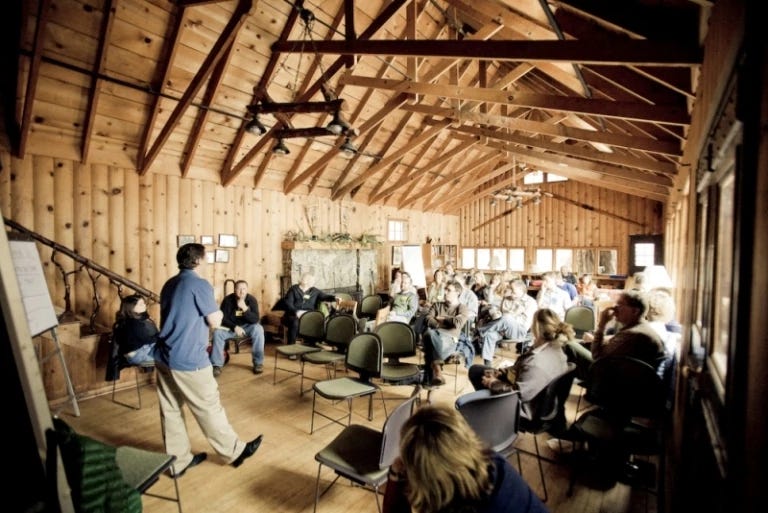
If toxic speech spreads by amplification, healing must spread by care.
We cannot fight industrial-scale poison with industrial-scale antidotes. Our responses must be human-scale, intentional, rooted in community.
Cultivating Hearth Spaces. Families, friend groups, book clubs, barbershops. Circles bound by accountability and care. My great-grandmother’s ban on the word hate was such a strategy — a grassroots taboo against the vilest speech.
Building Counter-Publics. Community newsletters, podcasts, art collectives. Like the “message films” of the 1940s, they challenge toxic narratives with truth-telling. Independent, nonprofit journalism shows that counter-publics can thrive even in the shadow of corporate platforms.
Demanding New Algorithms. Printers were once held accountable for their tracts. Platforms must be accountable for their engines. We cannot accept an economy that rewards toxicity — especially hate speech. We must demand a dignity economy that rewards nuance, care, and connection.
Final Word
History always rhymes. Rumor at the well. Pamphlets of propaganda. Slurs in the general store. Demagogues on the radio. Outrage in the feed.
Toxic speech has always been with us — corroding dialogue, trust, and community. And within it, hate speech has always lurked as its vilest form, annihilating dignity and preparing the ground for violence.
The flaw lies not in the technology but in us. Yet so too does the possibility of repair.
The task before us is not to wait for mass deliverance, but to kindle small, stubborn fires of resistance. In our homes, our communities, even in our code.

To speak not from the will to wound, but from the courage to care.
“The danger has never been the envelope. It has always been the message — and the hands that write it.”
References
Bernard Stiegler, Technics and Time, 1: The Fault of Epimetheus (Stanford University Press, 1998).
Martin Luther, On the Jews and Their Lies (1543).
Heinrich Kramer and Jacob Sprenger, Malleus Maleficarum (1487; English trans. Montague Summers, 1928).
Robert Darnton, The Devil in the Holy Water, or the Art of Slander in France from Louis XIV to Napoleon (University of Pennsylvania Press, 2010).
William Faulkner, Intruder in the Dust (1948).
Larry Ceplair & Steven Englund, The Inquisition in Hollywood (University of California Press, 1980).
Judith Butler, Excitable Speech: A Politics of the Performative (Routledge, 1997).
Fred Friendly, The Good Guys, the Bad Guys, and the First Amendment (Random House, 1975).
Paul Krugman, The Great Unraveling: Losing Our Way in the New Century (W.W. Norton, 2003).
John T. McGreevy, Catholicism and American Freedom: A History (W.W. Norton, 2003).
Tim Wu, The Attention Merchants: The Epic Scramble to Get Inside Our Heads (Knopf, 2016).
Zeynep Tufekci, “YouTube, the Great Radicalizer,” The New York Times, March 10, 2018