
Shielding Protest: The Uncommon Sense Behind Chicago’s New Executive Orders
Mayor Johnson’s orders remind us that an executive order does not have to be a weapon. It can also be a shield.

by Floyd Webb
I was struck — even impressed — when I read Mayor Brandon Johnson’s recent executive orders. In a political climate where “the executive order” has been weaponized by presidents to threaten citizens and exact vengeance, Johnson’s use of the same tool felt different. Where at the federal level executive authority has too often been abused to expand secrecy, silence dissent, and punish the vulnerable, in Chicago it was being wielded to protect ordinary people.
This contrast matters. It reveals the difference between executive power bent toward authoritarianism and executive power bent toward accountability. Where one hides behind force, the other brings authority into the light.
“Johnson’s orders remind us that an executive order does not have to be a weapon. It can also be a shield.”
Uncommon Sense, Good Sense
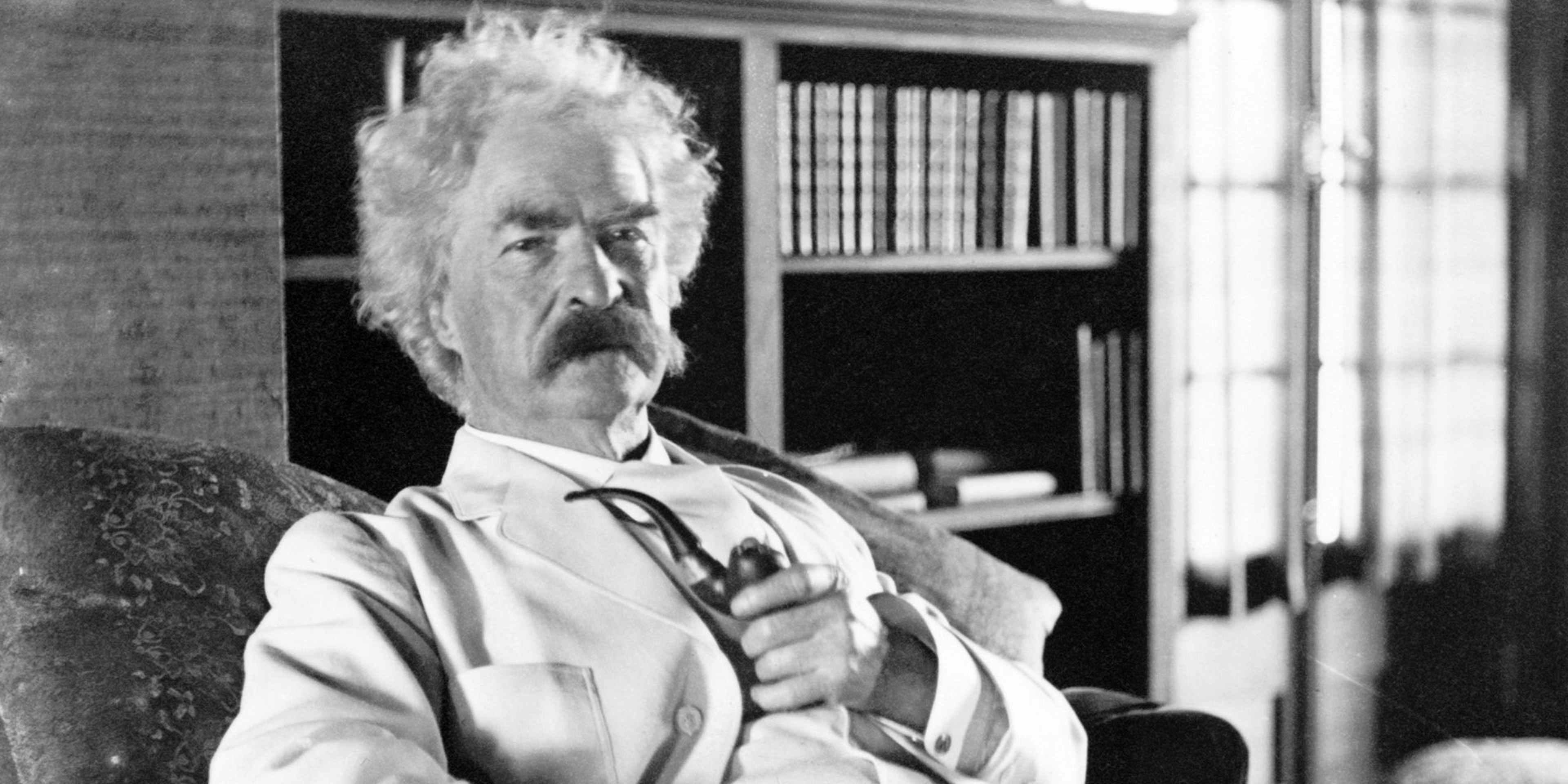
Mark Twain once warned that living comfortably within the so-called “common sense” of the status quo leads societies into stagnation and despair. Common sense, in his view, was the perennial excuse given by every ruling class to justify oppression: slavery was once defended as “common sense,” segregation as “common sense,” and today’s economic inequality is still explained away as “just the way things are.”
Antonio Gramsci, writing decades later from a fascist prison, sharpened that critique. He saw common sense as a patchwork of ruling-class ideology mixed with fragments of lived truth. But within it lies what he called “good sense”: practical wisdom rooted in the real experience of ordinary people, especially the oppressed. Good sense is the fragment that can grow into collective emancipation.
Together, Twain and Gramsci remind us that societal change never comes from the logic of the powerful. It comes from rejecting the stale “common sense” that says repression equals order, and embracing uncommon and good sense — solutions born from lived reality, grounded in justice, and aimed at breaking destructive cycles.
Johnson’s orders embody exactly this. They take a tool that has been abused from above and re-orient it toward transparency and accountability below.
My Personal History of Protest
I have seen this truth firsthand. I was 13 years old when I joined the NAACP youth group in Chicago. At the time, Dr. Martin Luther King Jr. and the Southern Christian Leadership Conference were using Quinn Chapel A.M.E. Church as their base for the Chicago Freedom Movement. From 1965 to 1966, that campaign challenged slum housing, predatory landlords, and entrenched segregation.
Standing in Quinn Chapel, I learned that protest was not chaos. Protest was democracy. It was a demand to be seen, a way to carve dignity in a society determined to erase it. That experience shaped me for life.
“Protest is not disruption but democratic necessity.”
But Chicago’s history also shows how often protest has been suppressed rather than safeguarded.
Chicago’s Tragic Protest Legacy
1886, Haymarket. A rally for the eight-hour workday ended with police gunfire and a bomb. Labor leaders were executed, dissent branded sedition.
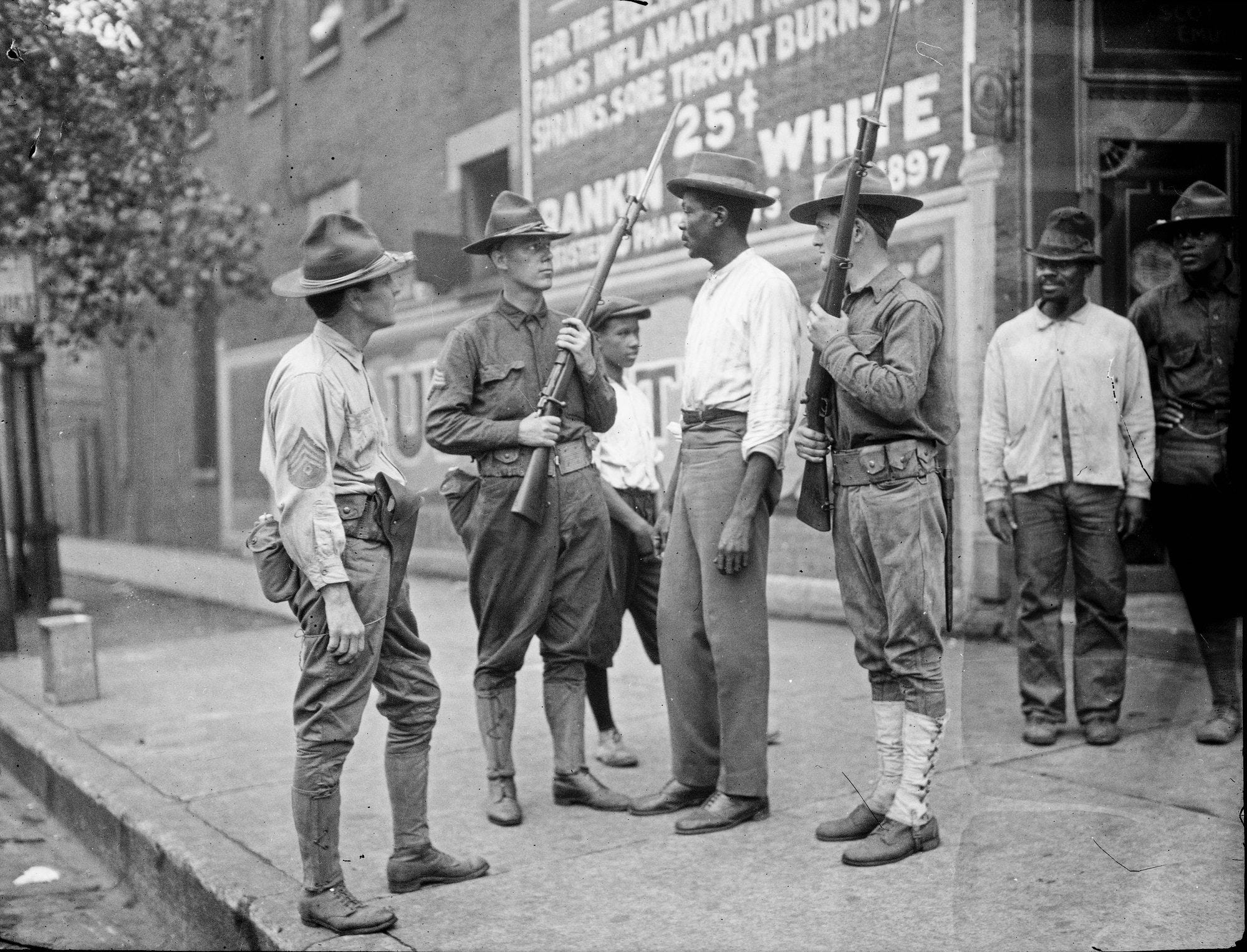
1919, Red Summer. Racial violence erupted after a Black teenager, Eugene Williams, was killed for crossing an invisible segregation line at the beach. Black neighborhoods were besieged while city officials equivocated.
1968, Democratic National Convention. Anti-war demonstrators filled Grant Park and were met with tear gas and batons. “The whole world is watching” became both defiance and indictment.
2014, Laquan McDonald. The police killing of a 17-year-old and its cover-up exposed the unfinished struggle for transparency.
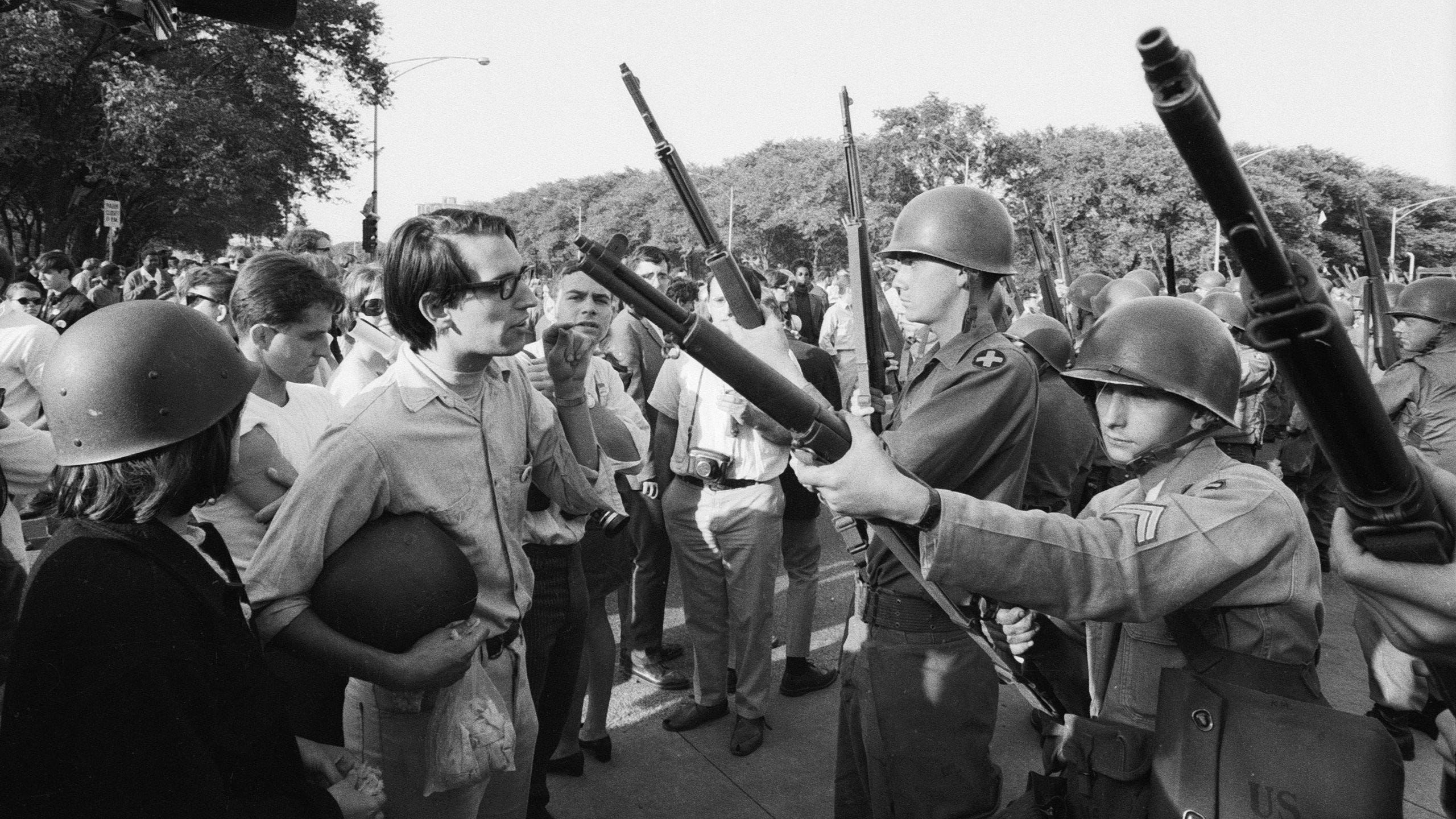
In each case, leaders chose “order” over freedom. Common sense justified repression; good sense was ignored.
The Federal Shadow
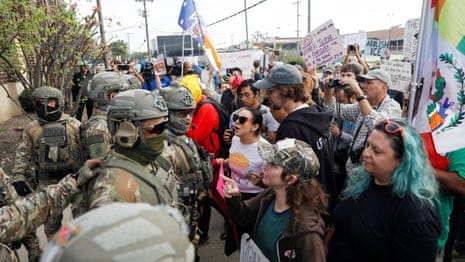
In recent years, a new threat has emerged: federal authoritarian overreach. During the 2020 protests, heavily armed federal agents — some from the Department of Homeland Security’s BORTAC units — were deployed in U.S. cities. In Portland, they pulled protesters into unmarked vans. In Washington, D.C., they used chemical irritants to clear peaceful demonstrators.
Chicago was not immune. That same summer, federal agents were deployed here under “Operation Legend,” sparking alarm from community advocates and local leaders. Many residents feared the arrival of unidentified forces on city streets — men without insignia, accountable to no one locally, acting on opaque federal orders. For immigrant communities and protesters alike, the line between policing and intimidation blurred.
“Ignorance, allied with power, is the most ferocious enemy justice can have.” – James Baldwin
Baldwin’s warning captures exactly what was at stake: faceless power wielded without accountability is not security, but its opposite. This is the essence of authoritarian drift — power exercised in the shadows, where justice cannot survive.”
Johnson’s Executive Orders
Johnson’s orders must be read against this backdrop. They are pragmatic steps that embody both Twain’s uncommon sense and Gramsci’s good sense.
Transparency: Every officer must display visible identification — name, badge number, rank. This is good sense: a grounded response to communities that have endured the trauma of anonymous repression.
Limits on concealment: Officers may not mask their identity, except when wearing protective equipment like medical masks, respirators, or riot helmets. This is uncommon sense: rejecting the false logic that secrecy equals safety.
Coordination: Federal or out-of-state forces cannot operate independently; they must work within frameworks accountable to city leadership. This is good sense and uncommon sense together: a recognition that unchecked force does not create security — accountability does.
Protection of protest: By enforcing these standards, the orders ensure that protestors can assemble without intimidation from anonymous power.
“These measures are pragmatic. They ensure that when force is used, it is accountable. They affirm that law in Chicago must be visible.”
Addressing the Counterarguments
A skeptic might argue that these orders tie the hands of law enforcement, that in the face of chaos, anonymity provides flexibility and safety. This is the seductive call of “common sense.” It sounds practical: give officers cover, let them act without scrutiny. But as Twain understood, that same argument has been used to justify every oppressive status quo.
The good sense response is different: true safety does not come from faceless power but from legitimate, accountable authority that earns public trust. An identifiable officer is a responsible officer; a coordinated response is a controlled response. Far from hindering law enforcement, this framework legitimizes it.
“The ‘common sense’ of unchecked force is precisely what undermines order. The ‘good sense’ of accountability is what restores it.”
Not Authoritarianism, But Its Antidote
Critics call executive orders authoritarian by nature. They can be, when abused by presidents to override Congress or militarize protest responses. But executive orders are not inherently authoritarian. They are instruments of governance.
The question is whether they are used to concentrate power in secrecy or to protect citizens through visibility and law. Johnson’s orders clearly do the latter. They illuminate authority. They defend rights. They embody uncommon and good sense.
Protecting Protest, Protecting Democracy
Protest is Chicago’s lifeblood. From the Chicago Freedom Movement to Black Lives Matter, from labor strikes to immigrant rights marches, this city has been shaped by people who refused to accept despair as destiny.
But protest cannot survive under faceless repression. Anonymous power suffocates it. When demonstrators fear not just arrest but disappearance, democracy itself falters.
“Protecting protest is protecting freedom. And in these times, that is the uncommon sense we desperately need.”
Johnson’s orders affirm the opposite principle: in Chicago, protest will be protected by law, not crushed by secrecy.
A Closing Reflection
I think back to my 13-year-old self at Quinn Chapel, standing in the orbit of Dr. King and the Chicago Freedom Movement. I remember learning that protest is not noise but necessity, not chaos but conscience. That memory lives with me still.
Chicago’s history of tragic protest reminds us of what happens when repression wins. But today, we have leaders who are choosing differently. By resisting federal authoritarian drift, by affirming transparency, by protecting the right to protest, Mayor Johnson is reminding us of a simple truth: protecting protest is protecting democracy.
Chicago now has the chance to lead. A city once stained by Haymarket and 1968 can model a different future: one where the executive order is a shield for the powerless, and where protecting the right to protest is recognized not as a radical idea, but as the highest form of common sense — good, uncommon, and essential for us all.
Floyd Webb is a Chicago-based photographer, filmmaker, writer, and cultural worker.
Essential Further Reading
1. Mark Twain – What Is Man? (1906)
Twain’s critique of “common sense” as the enemy of progress — essential for understanding your essay’s theoretical spine.
2. Antonio Gramsci – Selections from the Prison Notebooks (1971)
Especially the sections on “common sense” vs. “good sense,” a framework for thinking about power, protest, and democracy.
3. James Green – Death in the Haymarket (2006)
A definitive history of Chicago’s labor movement and the 1886 Haymarket Affair — a touchstone for Chicago’s protest legacy.
4. James R. Ralph Jr. – Northern Protest: Martin Luther King, Jr., Chicago, and the Civil Rights Movement (1993)
Explores King’s Chicago Freedom Movement (1965–1966) — grounding your own story at Quinn Chapel A.M.E.
5. WBEZ Chicago – “Federal Agents in Chicago: What We Know About Operation Legend” (2020)
Local reporting on the deployment of federal agents during protests, grounding the “federal shadow” in Chicago’s recent memory.