
The Arithmetic of Occupation
Territory Is a Number. Time Is a Weapon.

by Floyd Webb
Occupation has always seduced powerful states with the same promise: that political reality can be engineered through force.
The historical record suggests otherwise.
From Napoleon’s armies bleeding in the hills of Spain to the United States in Vietnam, the ledger of occupation is filled with powers that could win battles but could not end wars. They controlled cities, highways, and airspace—but never the clock.
The moment I first began to understand that arithmetic did not happen in a classroom or a policy briefing.
It happened in Dar es Salaam in the mid-1970s.
Empires measure victory in territory captured.
Resistance movements measure victory in time.
Dar es Salaam, 1974
I arrived in Dar es Salaam in the mid-1970s as a young photojournalist, drawn to the city because it had become the gravitational center of southern Africa’s liberation movements.
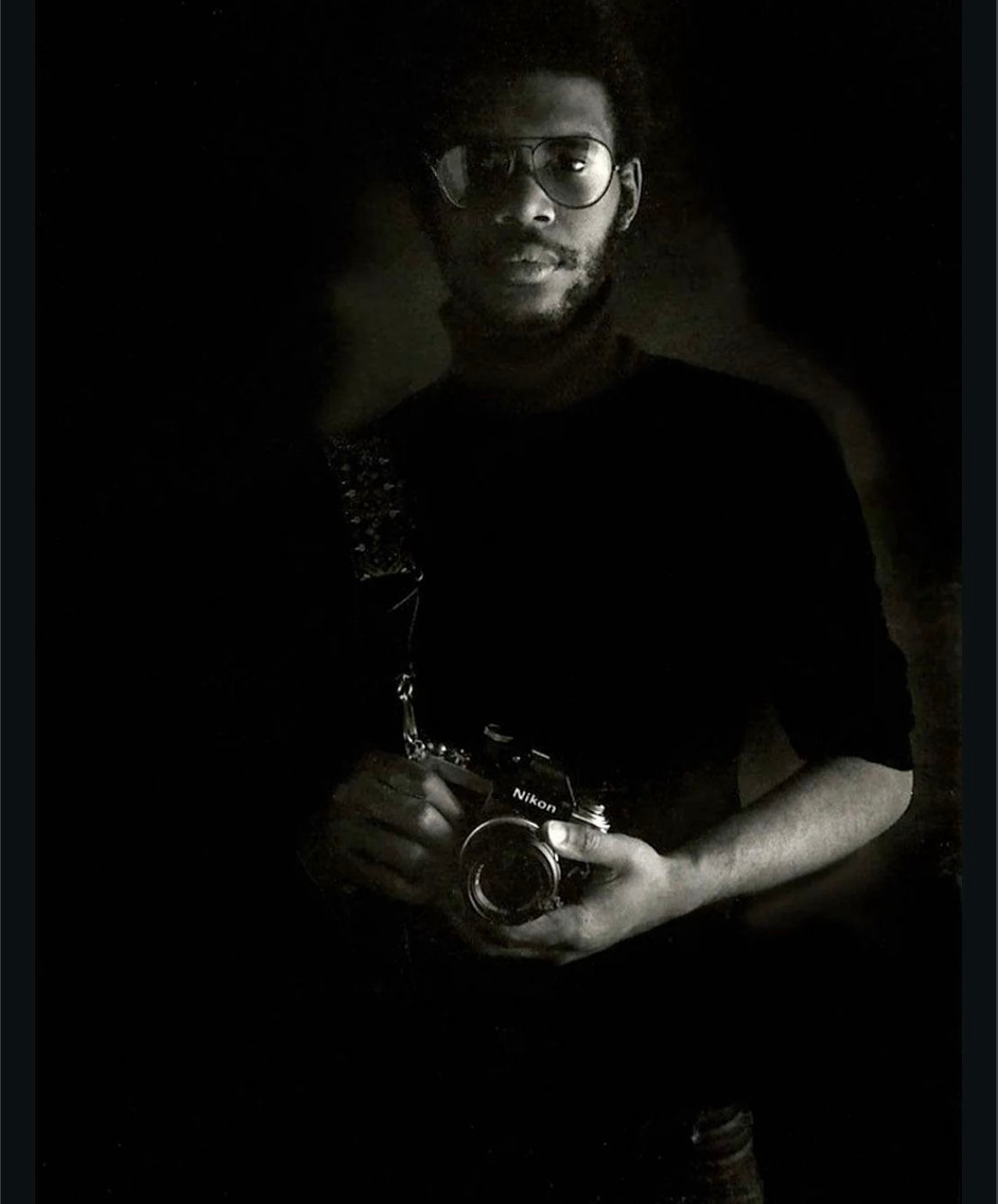
I was twenty-one years old and had never been outside the United States before. Much of what I was seeing fascinated me, but I did not yet fully understand the historical gravity of the place I had landed.
Under the leadership of Julius Nyerere, Tanzania had become one of the principal bases for movements fighting colonial rule and apartheid across the region. Fighters and political organizers from South Africa, Angola, and Mozambique moved quietly through the city on their way to camps and training grounds further south.
For a time I lived near one of those camps on a small chicken farm before eventually moving out on my own.
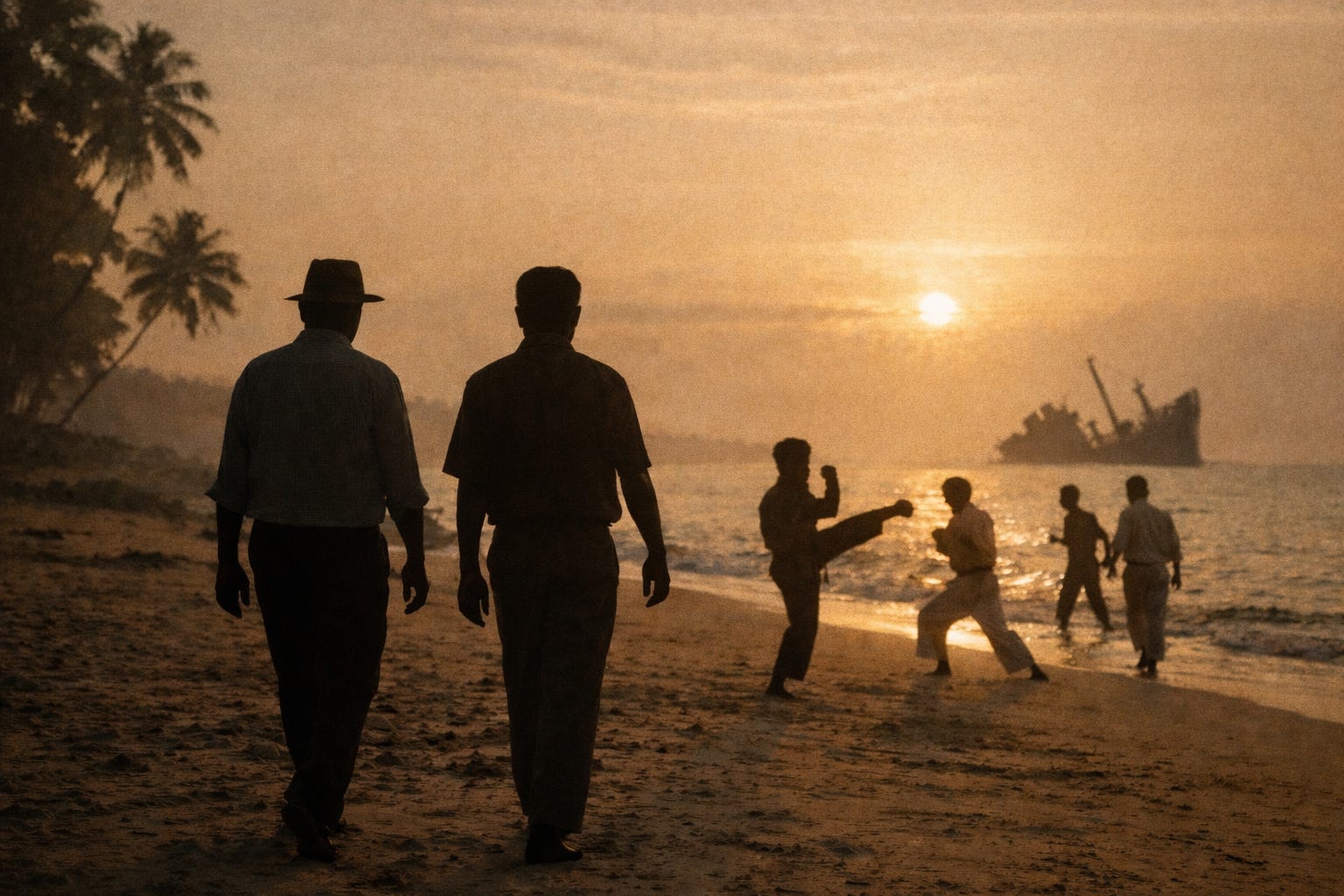
Some mornings before dawn, a group gathered on Coconut Beach for karate practice led by Sensei Nantambu Camara Bomani. He was an African-American martial artist who had traveled from Okinawa to Tanzania to open the country’s first karate school.


I worked out with his class occasionally during that period of my life. Martial arts had already become part of my own discipline growing up in Chicago, where learning to defend yourself was often less philosophy than necessity.
Among the people training were men connected to liberation movements from across southern Africa. We practiced together in the cool air before sunrise, the sound of the Indian Ocean rolling steadily against the sand.
President Julius Nyerere was known to walk along Coconut Beach as part of his regular exercise routine, and from time to time we would see him passing along the shoreline with a bodyguard. Occasionally he was accompanied by visitors—among them the FRELIMO leader Samora Machel, who would later become the first president of Mozambique.
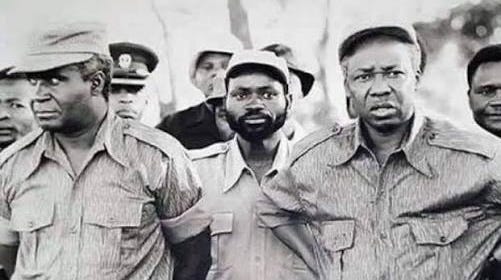
Those brief encounters were reminders of how small that political world could feel in Dar es Salaam during those years. Liberation leaders, students, journalists, and fighters all passed through the same city, often crossing paths in the most ordinary places—on a beach at dawn, in a university corridor, or over a bowl of lentil soup in a crowded juice bar.
Our friendships were casual and cautious. No one really knew who anyone else was in that environment, and I was an American—a citizen of a powerful country deeply entangled in global politics. Out of respect I tried to listen more than talk.
The fighters never discussed operational matters with me, and I never asked.
Most of what I learned about the political logic of the wars came from elsewhere: long conversations with students and scholars at the University of Dar es Salaam, reading the newspapers at the Daily News and Sunday News, and working with journalists like photographer Vincent Orio at the TANU press. The intellectual shadow of thinkers like Walter Rodney still hung over many of those discussions.
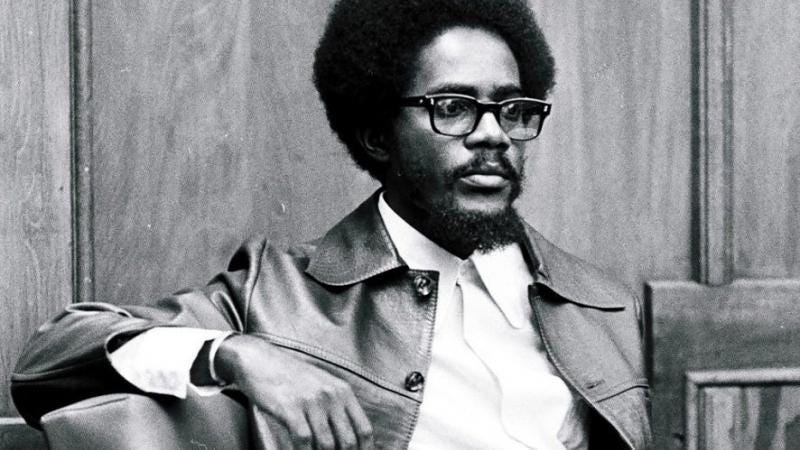
During that time I also had a few brief encounters with Mahmood Mamdani, who had been expelled from Uganda by Idi Amin in 1972 and later joined the faculty at the University of Dar es Salaam after becoming a refugee in the UK. We were not friends—our interactions were brief and mostly through shared acquaintances—but those encounters were part of the remarkable intellectual environment surrounding the university.
Dar es Salaam in those years was widely known as the capital of African liberation.
The Pakistani juice bar downtown, on Jamhuri Street a few hundred yards north of the Askari monument, became one of those informal meeting places.

Over bowls of lentil soup with puffed poori bread and fruit drinks, from a hand cranked juicer, unlike anything I had tasted before, students and travelers argued about politics, the books we read and shared the latest news of the independence movements.

They argued about the strange geometry of empire.
It was in those conversations—and in the quiet confidence of the people moving through that city—that I began to understand the arithmetic of these wars.
Liberation movements did not necessarily expect to defeat powerful armies in decisive battles.
They expected something else.
They expected to make the war last.
Southern Africa: The Arithmetic in Action
The collapse of Portuguese rule after the Carnation Revolution in 1974 transformed the political landscape of southern Africa.
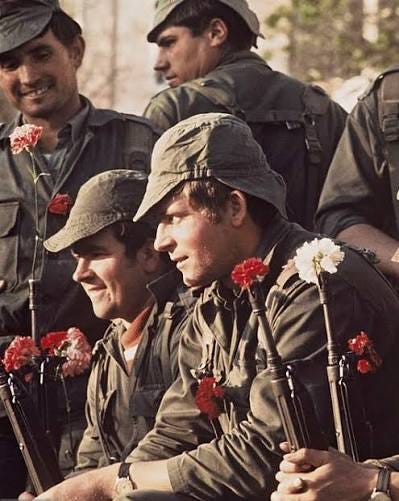
In Angola, the newly independent government led by the MPLA found itself confronting armed opposition backed by outside powers. The apartheid government of South Africa intervened militarily, hoping to prevent the consolidation of a liberation-aligned state on its borders.
What followed was not a quick war.
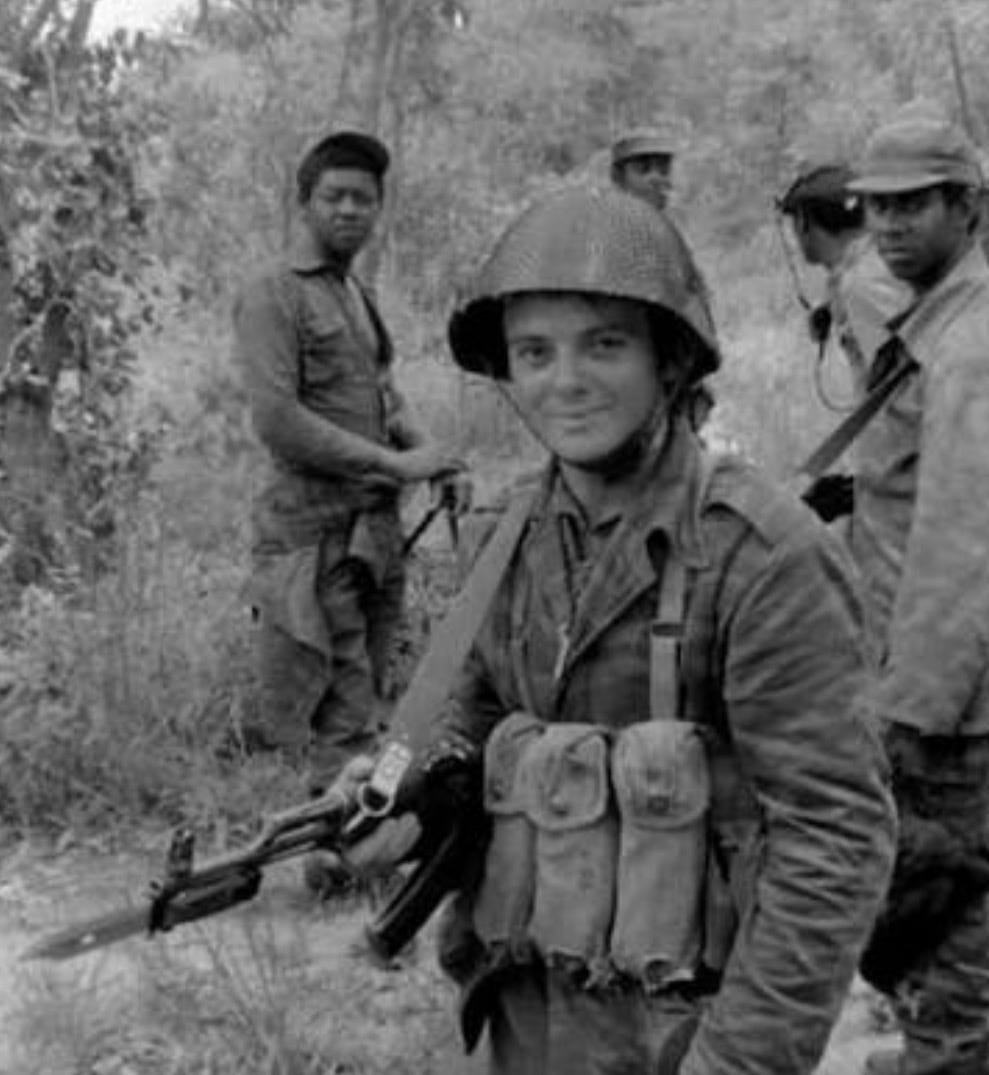
It became a prolonged regional struggle involving Angolan forces, Cuban troops, South African units, and liberation fighters moving across the frontiers of southern Africa.
The confrontation reached its most famous moment at the Battle of Cuito Cuanavale.
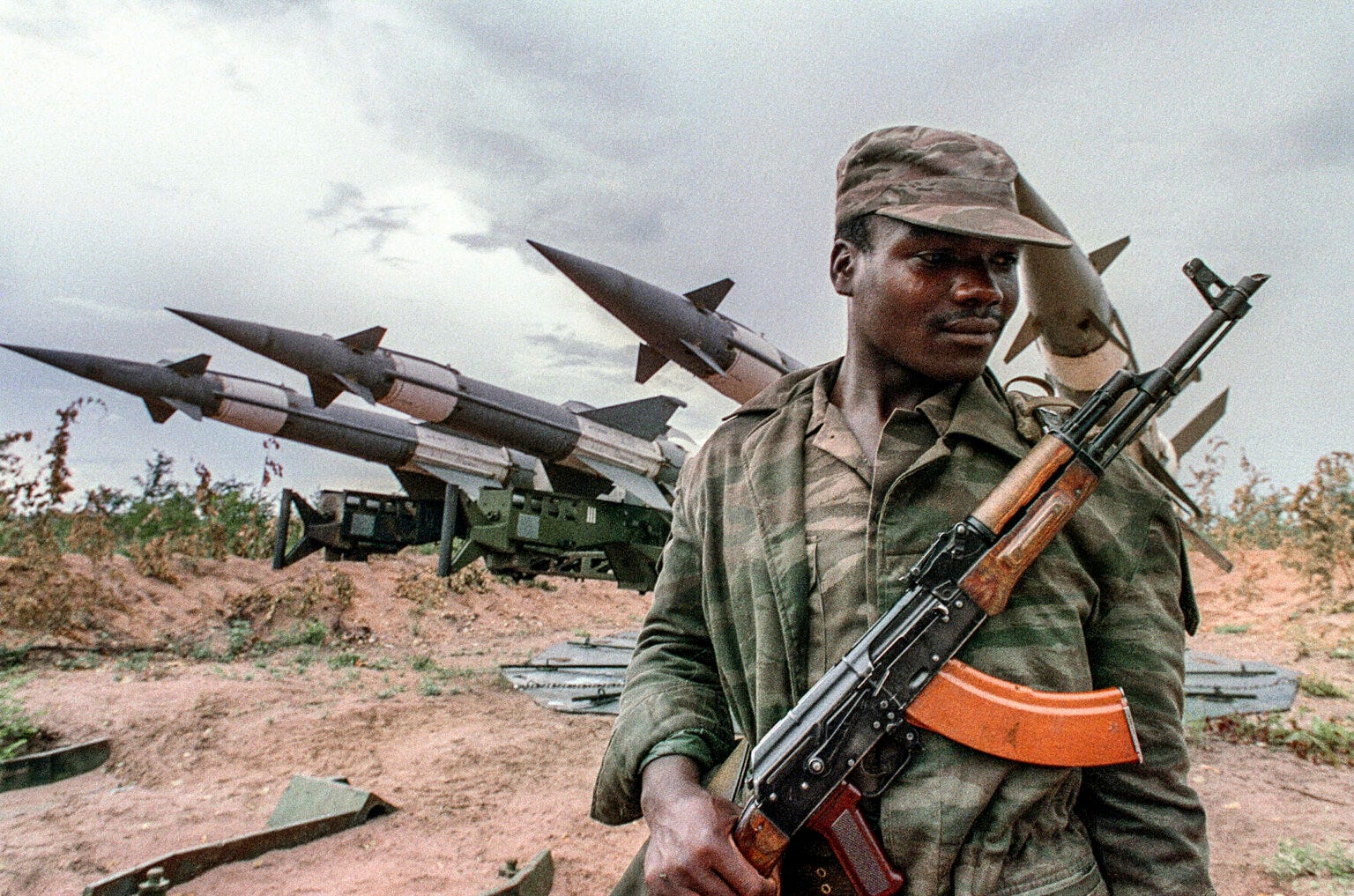
The result was not a decisive battlefield victory in the classical sense. It was something far more dangerous for the occupier: a stalemate. But stalemates in long wars have consequences. The battle helped force a diplomatic process that led to the independence of Namibia, the withdrawal of Cuban forces, and eventually the release of Nelson Mandela.
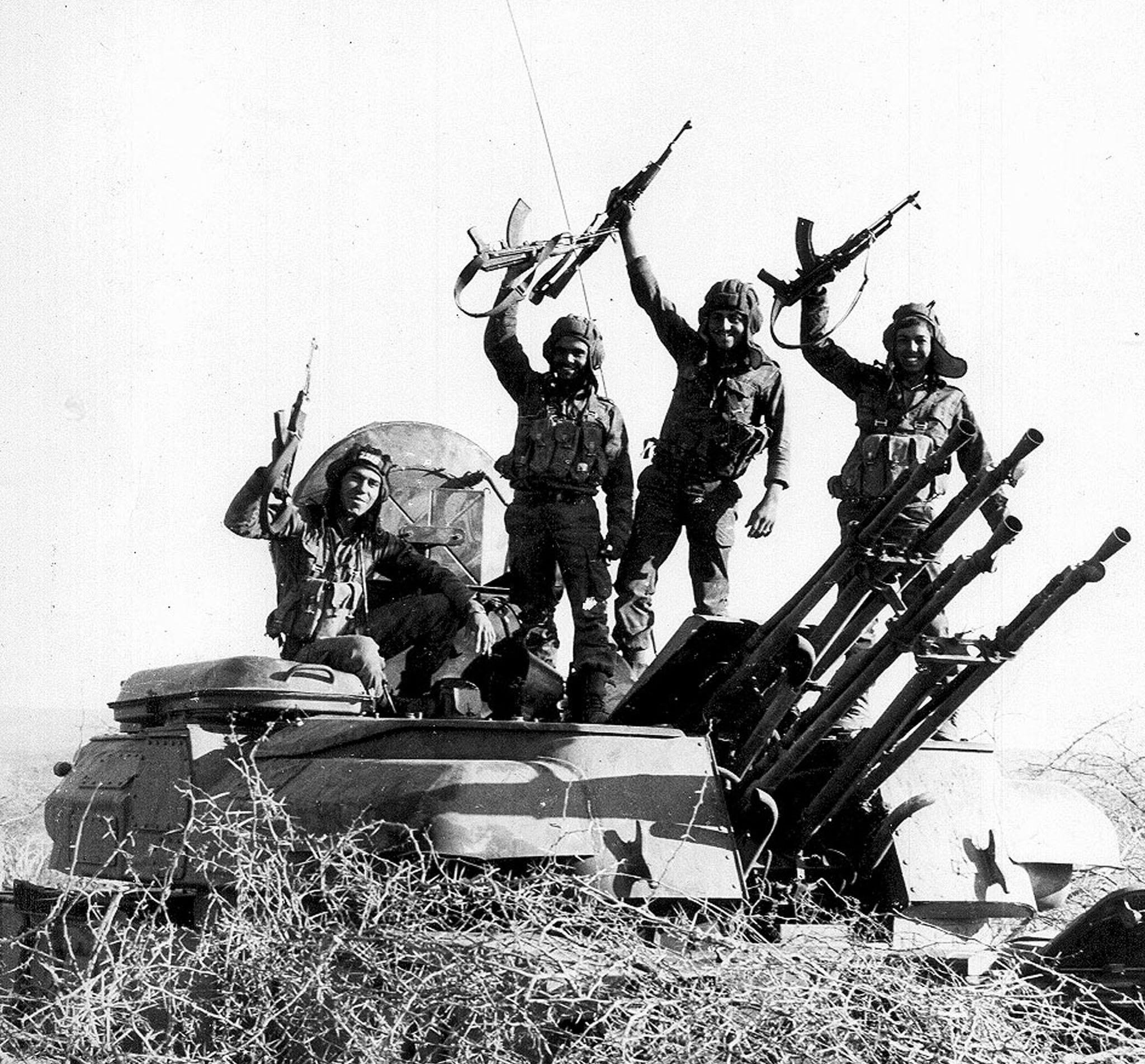
South Africa could hold the ground.
It could not hold the future.
The arithmetic had begun to turn against it.
Eventually negotiations followed that led to the independence of Namibia, the release of Nelson Mandela, and the beginning of the end of apartheid.
The battlefield is never only where armies fight.
“Cuito Cuanavale was less a battlefield victory than a political turning point: the moment when Pretoria discovered that the war in southern Africa could no longer be won.”
It is where societies decide whether the war can continue.
The Two-Front War
The same pattern appeared during the Vietnam War.
The United States possessed overwhelming military superiority in Southeast Asia. Yet the conflict gradually expanded into a war fought on two fronts.
The first front was the battlefield.
The second front was American public opinion.
The publication of the Pentagon Papers revealed how successive administrations had misrepresented the war’s progress. Veteran organizations such as Vietnam Veterans Against the War brought the testimony of soldiers directly into the anti-war movement.
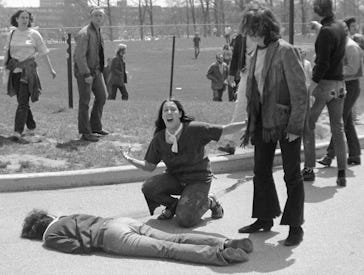
Events like the Kent State shootings dramatized the depth of the division within American society.
The North Vietnamese were not simply fighting American troops.
They were fighting American patience.
And patience, unlike an army, cannot be reinforced indefinitely.
Eventually that second battlefield decided the war.
Occupations fail when two forces converge:
the resistance of the occupied and the exhaustion of the occupier.
The Student Becomes the Master
The U.S. Marine Corps wrote the Small Wars Manual to teach American forces how to pacify resistant societies.
In Tehran, analysts have suggested, strategists studied the same history to learn the opposite lesson.
Among the countries that studied twentieth-century liberation wars most closely was Iran.
After the devastation of the Iran–Iraq War, Iranian strategists developed what analysts now call mosaic defense—a decentralized system of militias, layered command structures, and dispersed infrastructure designed to make occupation impossible to sustain.
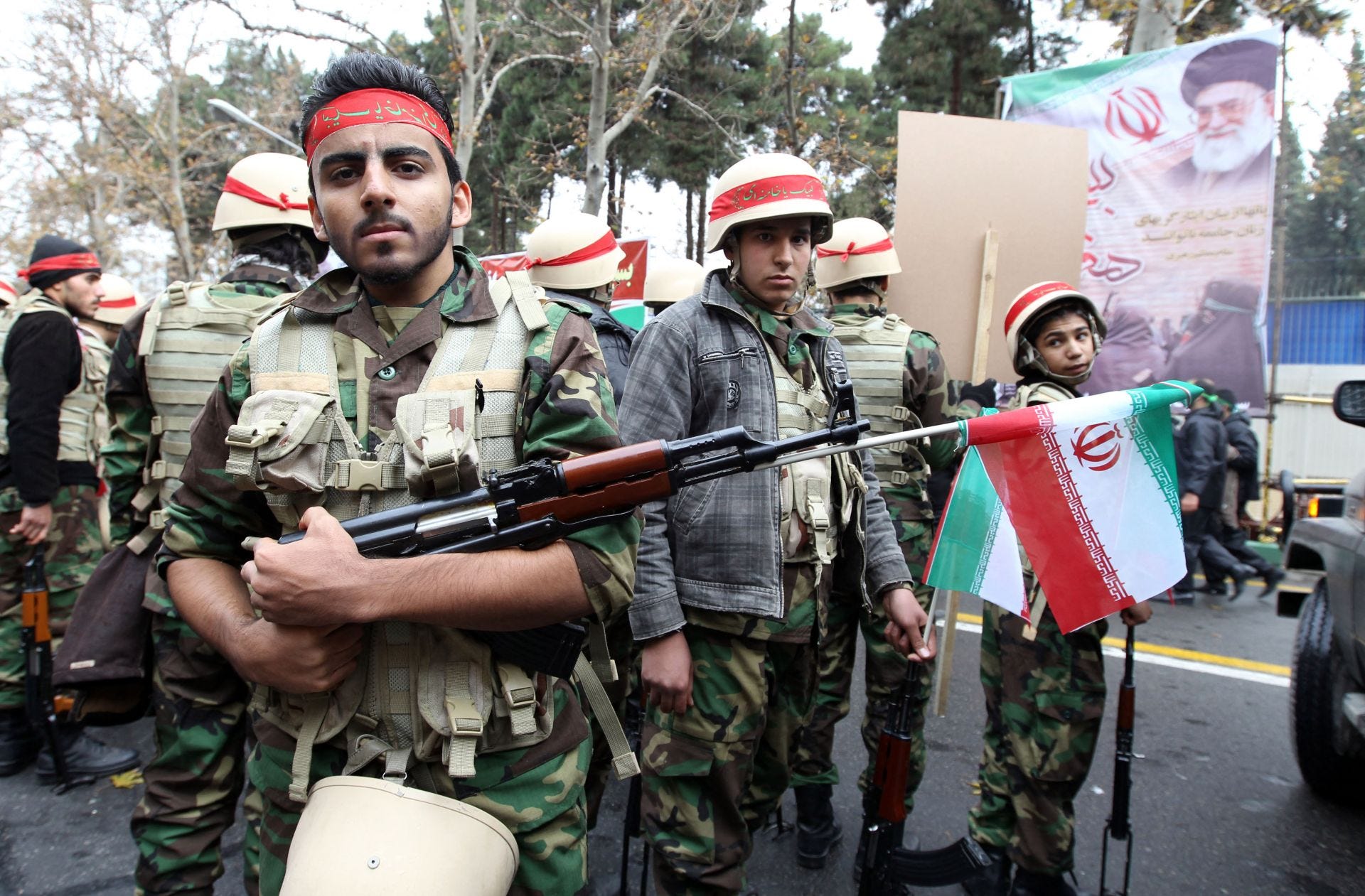
The Islamic Revolutionary Guard Corps, the Basij militia network, and regional allied organizations such as Hezbollah form a strategic architecture built for endurance rather than rapid victory.
In practice this doctrine turns a single invasion into a thousand small wars.
A foreign army might confront Revolutionary Guard units in one valley, ambushes from Basij militia in the next, and missile strikes from regional allies while trying to regroup.
There is no stable front line.
There is only exposure.
The occupier fights for territory.
The defender fights for time.
The Test of the Present
As this essay is written, reporting indicates that the possibility of U.S. ground forces in Iran has at least been discussed within American leadership circles.
According to NBC News, President Donald Trump privately expressed interest in deploying a small contingent of American troops inside Iran. Around the same time, The Washington Post reported that an airborne unit based at Fort Bragg had been ordered to remain on standby rather than proceed to a scheduled training exercise.
The White House rejected the characterization of these discussions.
But the larger question is not the report itself.
The question is whether Washington has learned to do the math.
History suggests that the decision to deploy forces is rarely the decisive moment of a war.
The decisive moment arrives later—when the costs begin to accumulate.
Invasion may be rapid.
Occupation is where the war begins.
And yet the temptation to believe in decisive force remains.
It is the illusion that conquest can outrun the clock.
The Arithmetic of Memory
What I witnessed in Tanzania taught me something that remains true today.
Remember the wars that exhausted colonial powers.
Remember the movements that forced the end of the Vietnam War.
Remember the struggles that dismantled apartheid.
Empires count tanks, aircraft, and divisions.
Resistant societies count something else.
They count the years.
They count the generations.
They count on the fact that the occupier will run out of patience before the occupied run out of land.
Power believes it can dominate history.
Resistance understands it only has to outlast it.
Further Reading
Piero Gleijeses — Conflicting Missions: Havana, Washington, and Africa 1959–1976
Odd Arne Westad — The Global Cold War
Edward George — The Cuban Intervention in Angola
John Prados — Vietnam: The History of an Unwinnable War
Ali Alfoneh — Iran Unveiled: How the Revolutionary Guards Transform Iran
Bravo!