
THE BEAT GOES ON:
Fred Hampton’s Blueprint and the Unfinished Fight for Chicago

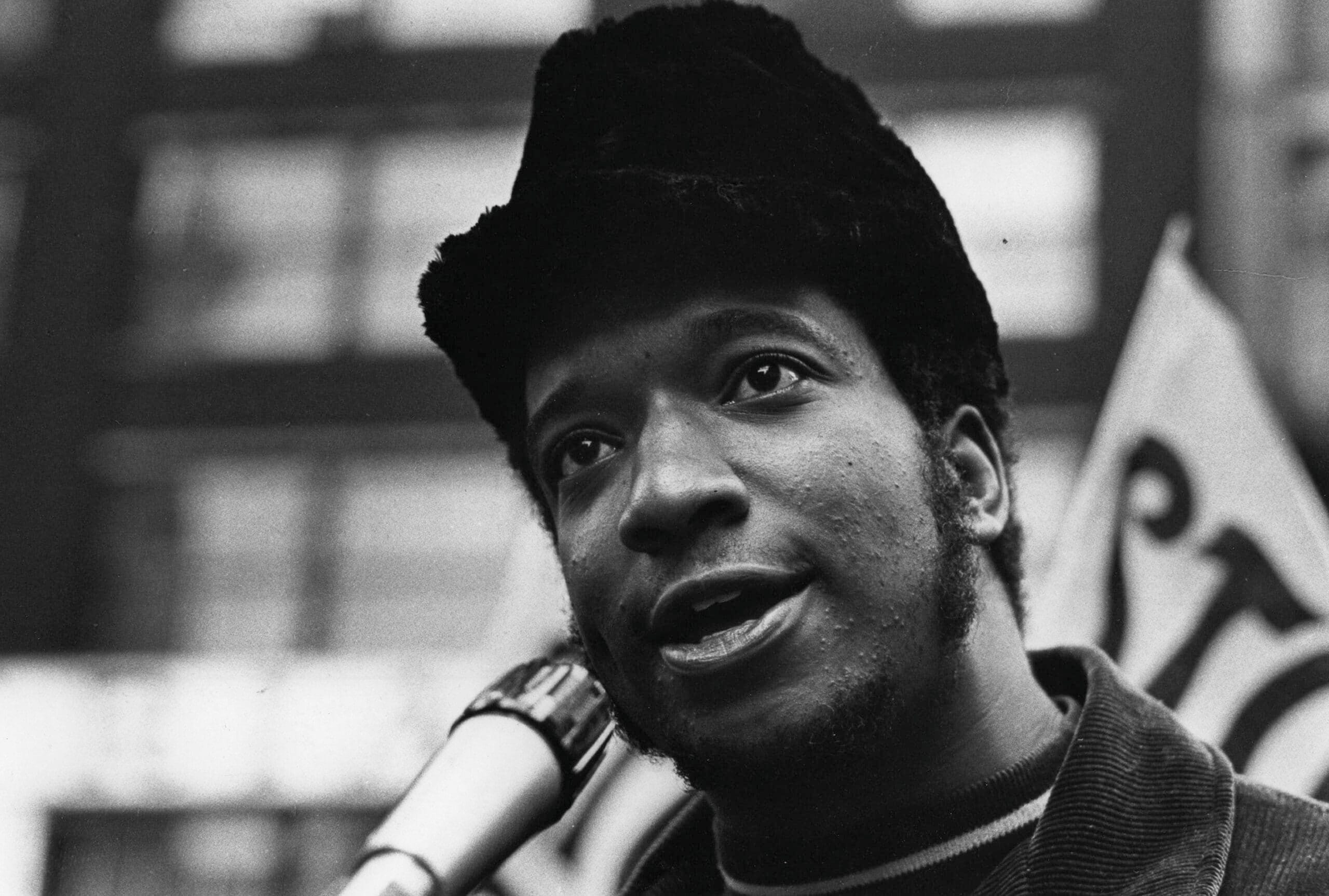
by Floyd Webb
I write this from occupied Chicago, where we are taught — again and again — to remember our heroes only in the moment the state killed them. That is the death cult of our enemies: the ritual celebration of their victories over us, the insistence that our story ends at the trigger, the raid, the ambush. But Fred Hampton’s life refutes that ritual. His power was not in how he died but in how fiercely, how intelligently, how generously he lived. To recall him only as a martyr is to accept the state’s framing. To study his life — his organizing, his strategy, his belief that the people already had the tools to win — is to break the spell and reclaim our own narrative. Remembering is not mourning. Remembering is refusal.
“The beat goes on.” — Fred Hampton
“We build in rooms haunted by history, but we build for the living.” — Chicago, 2025
A Mayor at the United Nations — and the History in the Room
When Chicago Mayor Brandon Johnson addressed the United Nations Human Rights Council in 2025—calling for an international investigation into abuses committed by ICE and Border Patrol—he spoke into a chamber already heavy with American history.
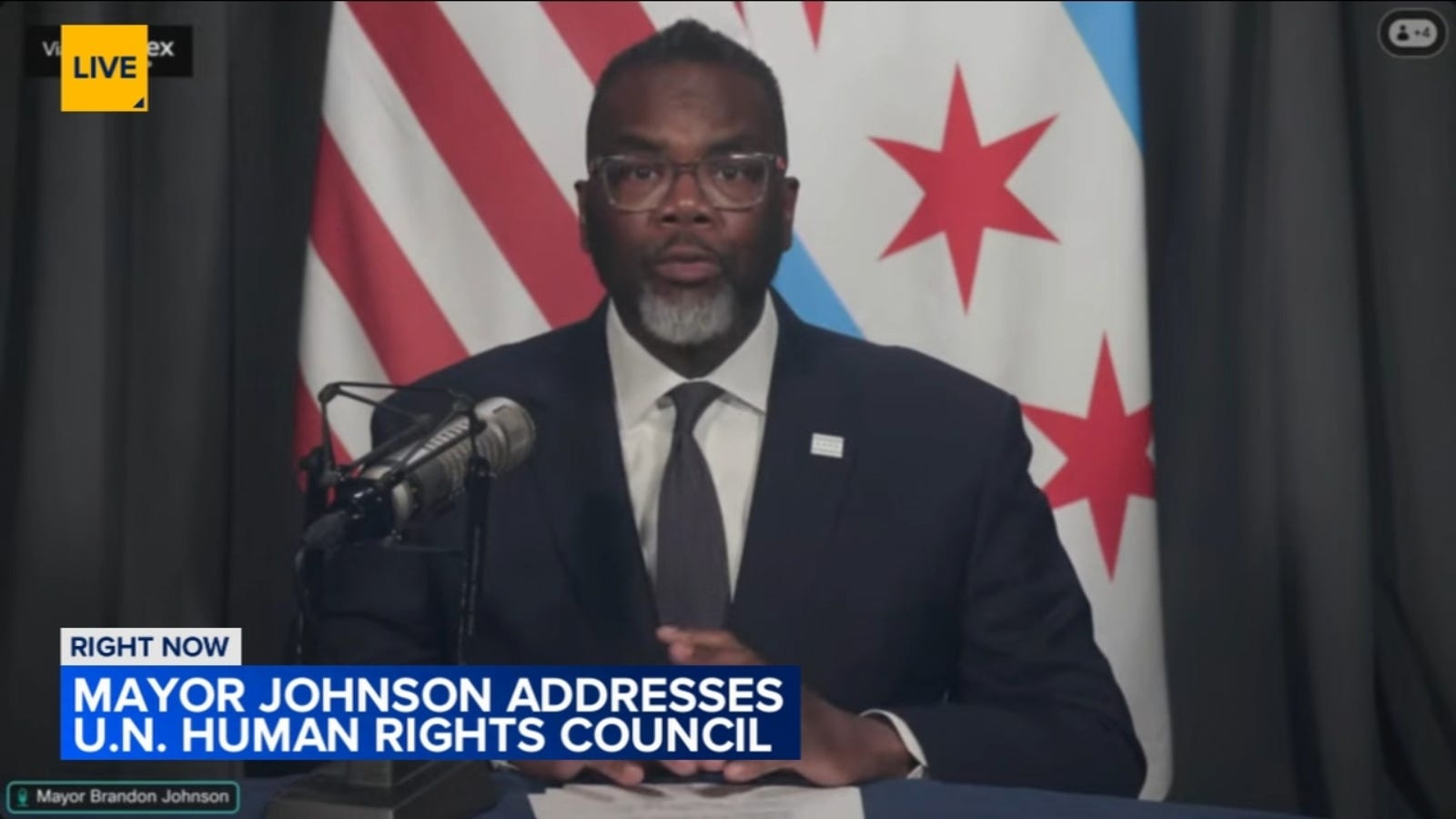
It was in this forum that, in 1967, Dr. Martin Luther King Jr. called the United States “the greatest purveyor of violence in the world today.”
And in 1978, that the UN condemned the FBI’s COINTELPRO program for violating the human rights of Black Americans.Johnson placed Chicago inside that lineage.
“When the state harms, when the state terrorizes, when the state traumatizes—for once—there must be accountability.” — Mayor Brandon Johnson
He reminded the world that state violence is not an aberration—it is a pattern.
And that pattern has an address in this city: 2337 Monroe Street.
December 4, 1969.
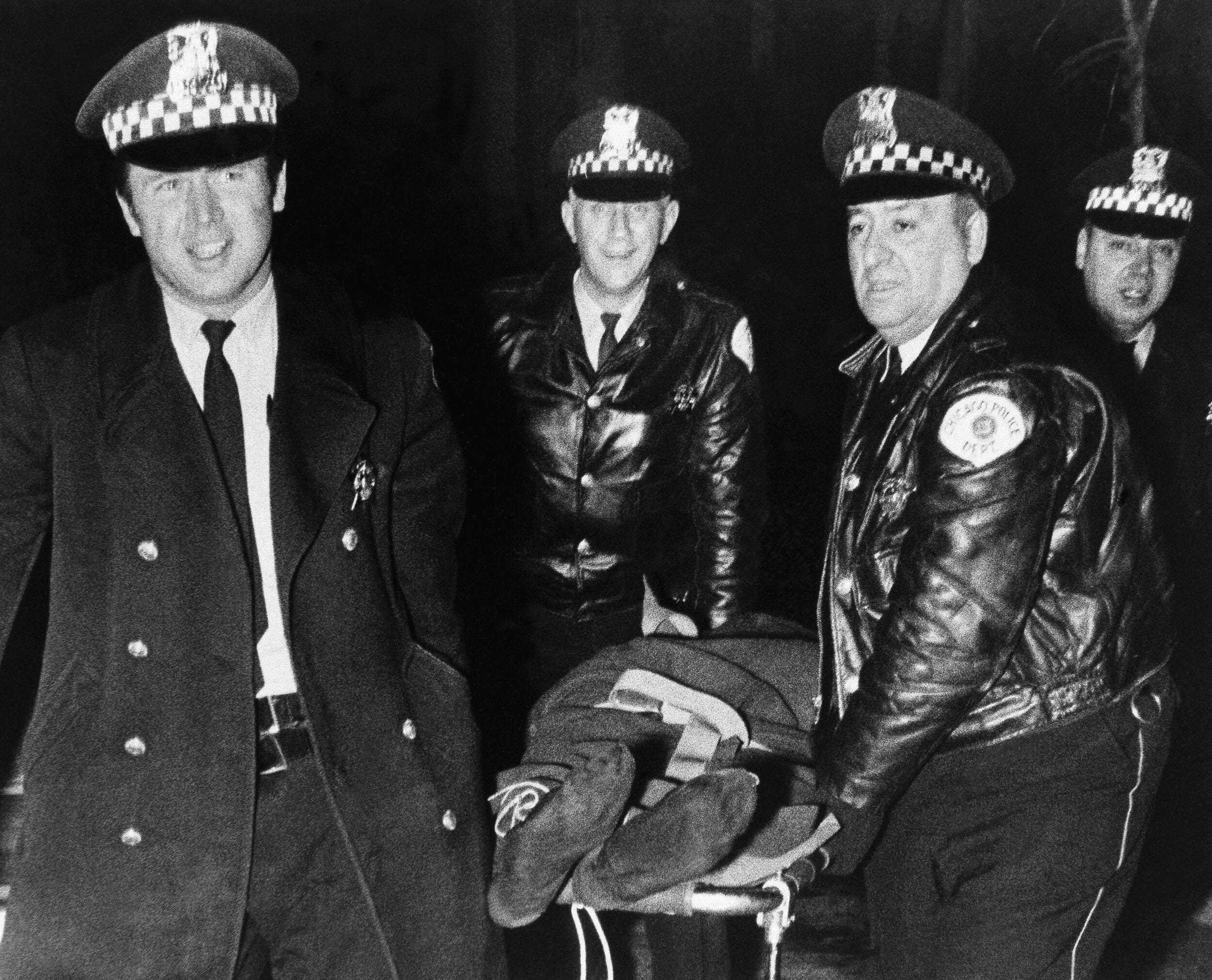
It leads to the apartment where the FBI and Chicago Police assassinated Fred Hampton and Mark Clark.
But this essay is not about how Fred died.
It is about how he lived—and why the state feared that life enough to try and extinguish it.
Argo: Childhood in the Shadow of Emmett Till
Fredrick Allen Hampton was born in Argo, Illinois, on August 30, 1948, to Iberia and Francis Hampton—Black migrants from Louisiana whose families carried both the trauma of Jim Crow and the dignity of Southern self-reliance.
Their neighbors included Mamie Till and her son, Emmett—“Bobo.” Iberia sometimes babysat him. She remembered him as lively, fearless, always in motion.
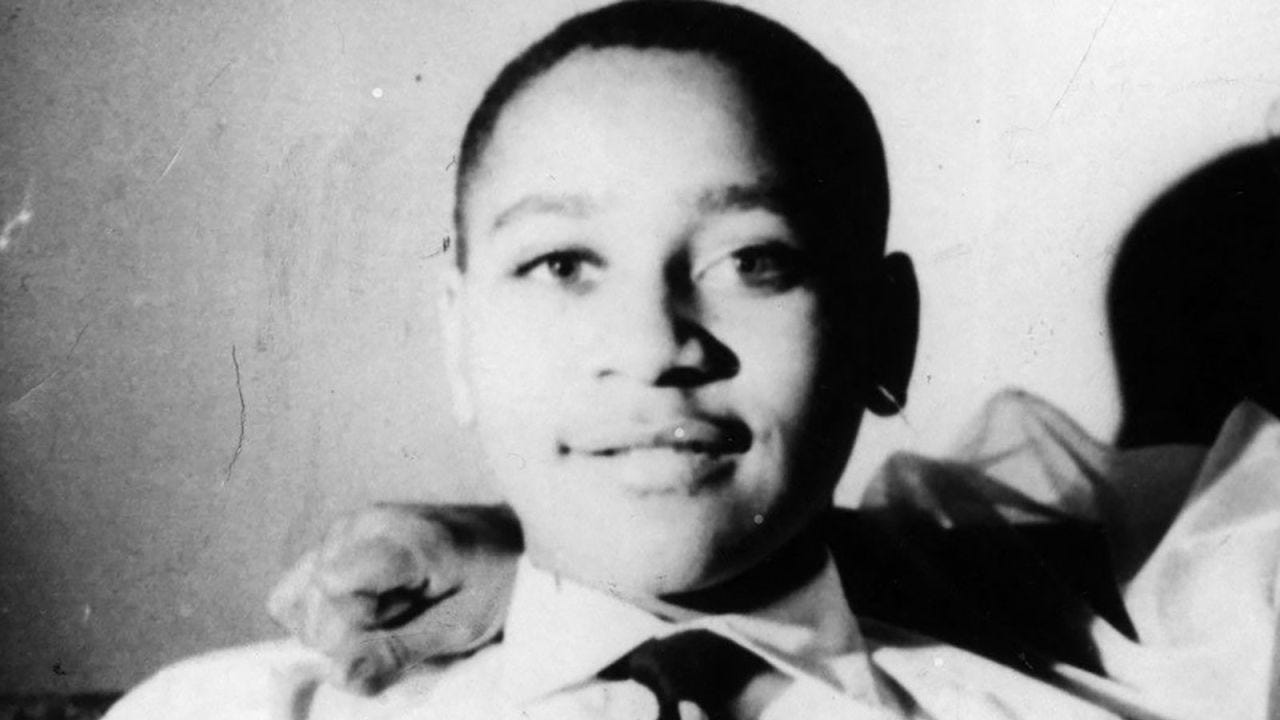
When Emmett was lynched in Mississippi in 1955, Iberia attended the funeral.
“I wanted to remember him as the active and saucy kid I babysat.” — Iberia Hampton
Fourteen years later, Chicagoans would again line up to mourn a murdered child of their own—this time, Iberia’s youngest son.
In Argo, tragedy and resistance coexisted. Fred absorbed both.
Blue Island: Union Lessons, Hard Truths, and Saturday Breakfasts
In 1951, the Hamptons moved to Blue Island, where white hostility was direct and bruising. Fred and his sister Dee Dee were often called to the principal’s office for fighting off racist taunts—not as aggressors, but as survivors.
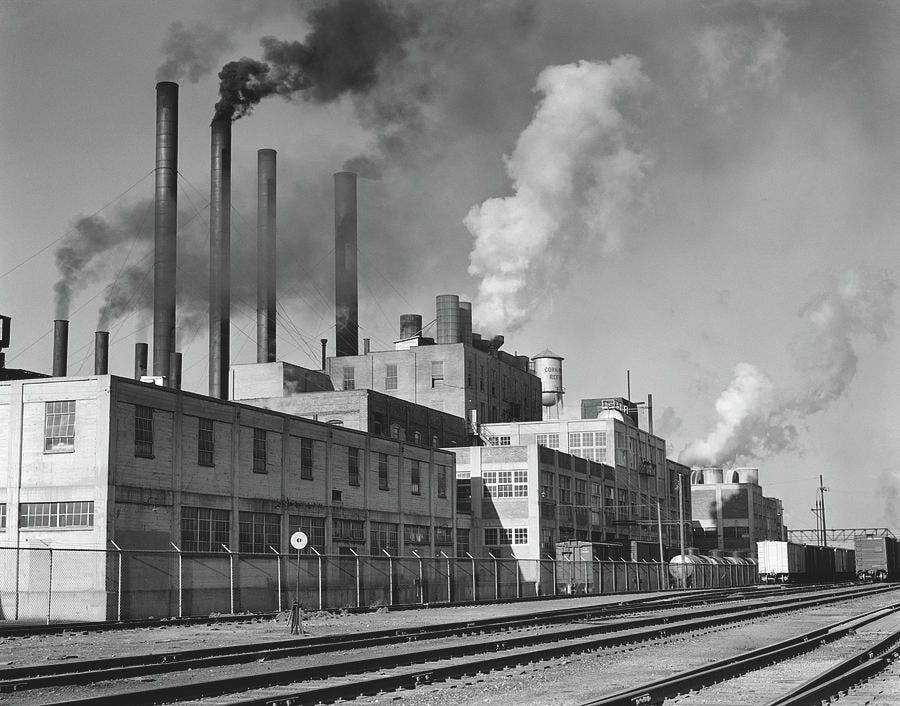
Meanwhile, Iberia worked at Corn Products, rising quickly to union steward. During a strike, she helped feed hundreds of workers daily.
Fred saw in her the first model of political power he would ever know:
care, organization, and solidarity.
He absorbed it early—and acted on it.
Saturday mornings became his kingdom of care. He gathered neighborhood kids, pooled their coins, bought groceries, and cooked breakfast for everyone.
Iberia remembered him laying out the food on the dining table like a young general deploying a campaign of nourishment.
This was the prototype.
The state would later interpret such acts not as charity, but as a challenge to its monopoly on care.
My Path to Fred: Quinn Chapel, C.T. Vivian, and the Youth Movement
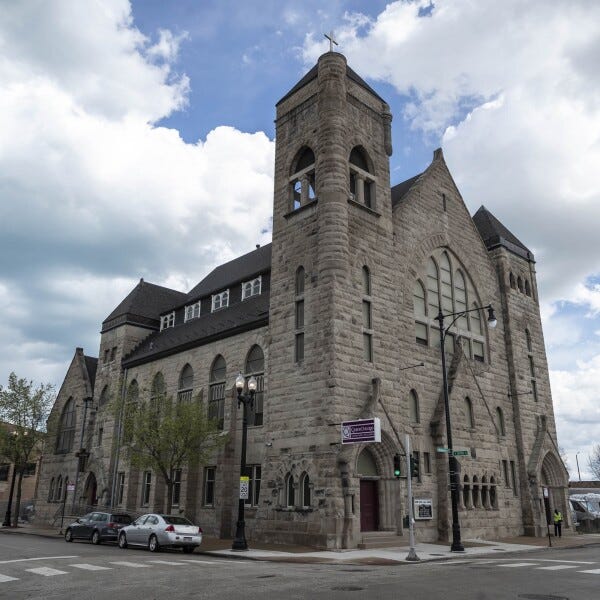
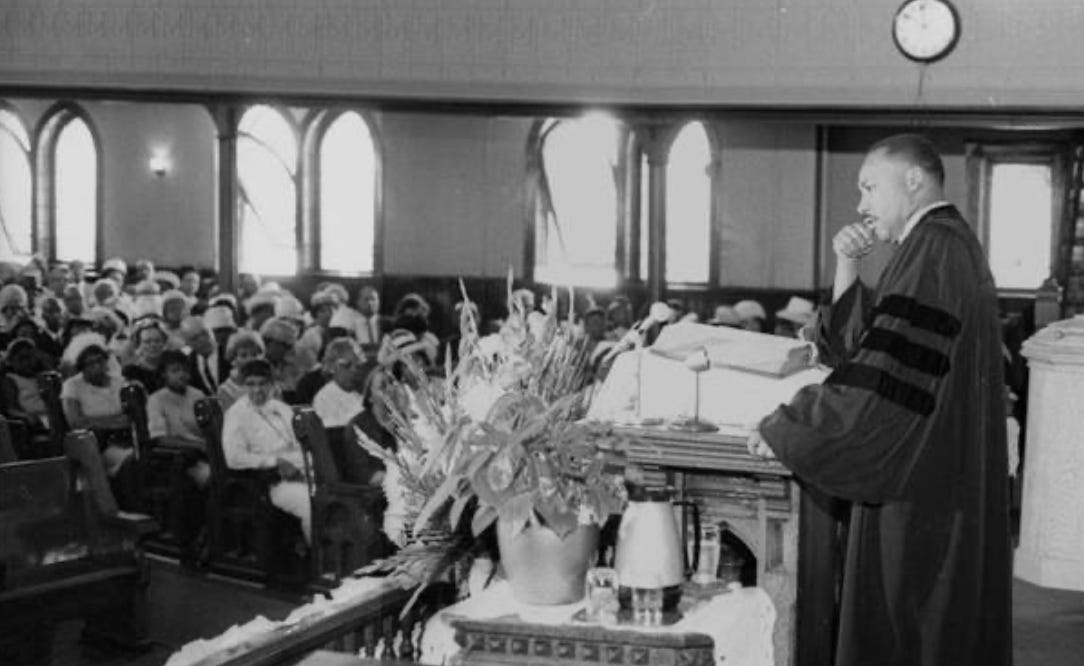
I joined the NAACP Youth Council while living in the Ickes Projects and attending Quinn Chapel AME. C.T. Vivian visited our Sunday School class during Dr. King’s open-housing campaign and recruited many of us into the movement. Quinn Chapel was Dr Kings headquarters.
When I later moved to Maywood, Fred appeared in my life—as the young organizer leading nearly 800 youth in the West Suburban NAACP.
And nowhere did his leadership shine more clearly than under the summer sun at Winfield Scott Park.
The Summer Blueprint: Winfield Scott Park
Fred in summer was a force of nature.
On the hottest days—when heat rippled above 17th Avenue and Maywood Drive at Winfield Scott Park—you’d find him on the basketball court, shirt plastered with sweat, sun bouncing off the asphalt, that easy grin spreading as he called for the ball.
Winfield Scott court was the proving ground for many Players in the NBA.
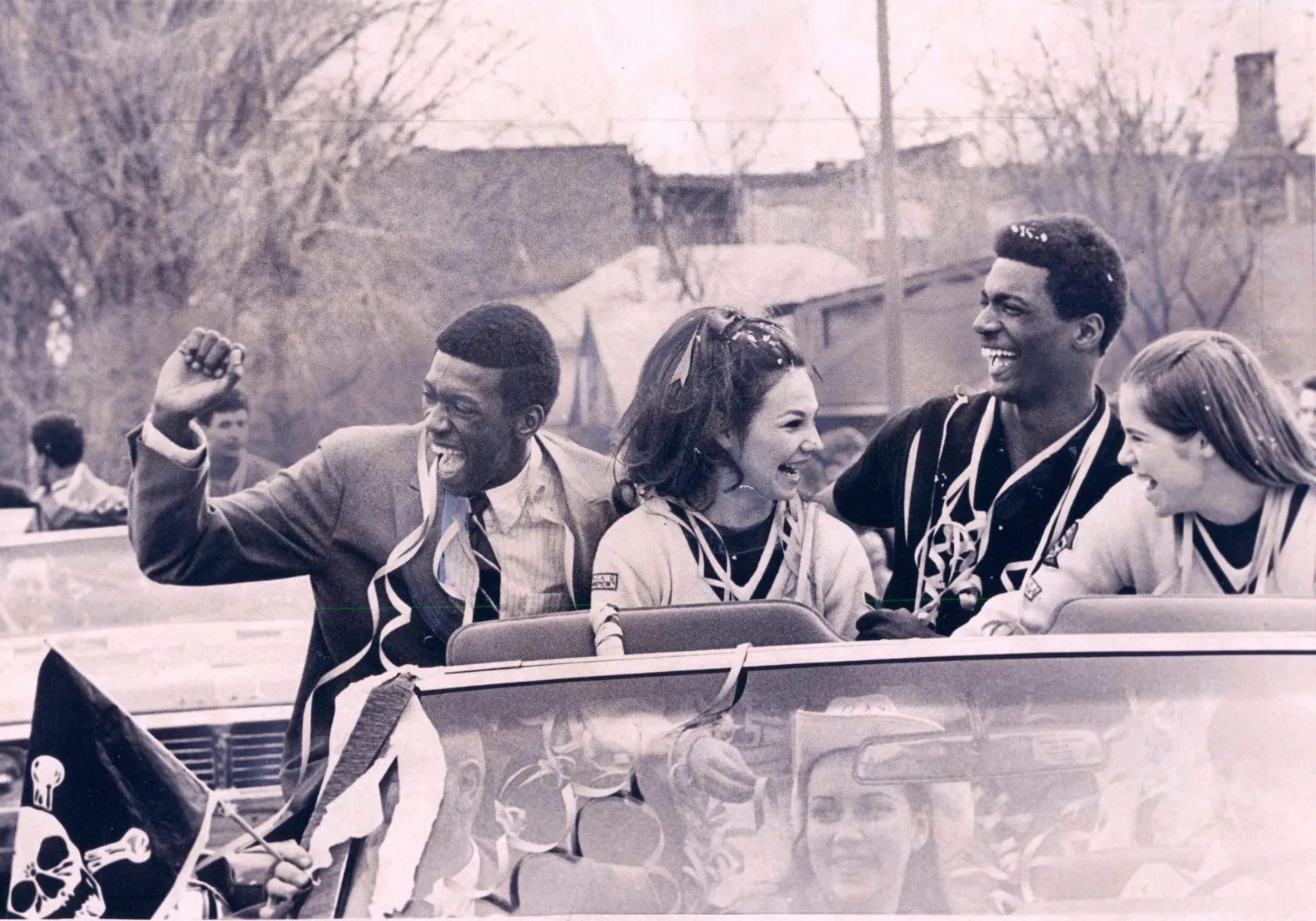
[Proviso East stars Jim Brewer and Harvey Roberts celebrating the state championship on a parade through Maywood in 1969. —Sun-Times file photo]
Fred played hard, against future NBA greats, joyfully, not for dominance but for communion.
Sharp crossovers.
Sudden pivots.
Ankle-breaking feints that sent defenders stumbling while the watching kids erupted in laughter.
But the most important thing he did on that court was stop playing.
Because somewhere between points, Fred would look toward the street. The West Towns bus was coming, and he knew the neighborhood kids were waiting. Maywood had no public pool. The surrounding suburbs barred Black children from theirs.
Fred couldn’t swim.
It didn’t matter.
He gathered his shirt, waved the kids over, and jogged toward the bus. A caravan of children followed, trusting him to deliver them to water and relief.
And if kids missed the first ride?
“He’d make a second trip,” Iberia said. “The ones who missed the first bus would be waiting on the porch when he got back.”
This wasn’t yet a political program.
Not yet a platform.
Not yet a movement.
It was the blueprint.
It was the practice that would become the theory.
Proviso East: Reshaping an Institution
At Proviso East, Fred confronted structural inequality head-on.
He demanded more Black teachers and administrators.
Challenged racist instructors.
Organized a walkout that resulted in the school’s first Black homecoming queen.
Led the Inter-racial Council, calming tensions grown men could not manage.
“He could not tolerate injustice.” — Father, Francis Hampton
Fred was already learning to govern—not by authority, but by moral credibility.
The Ice Cream Arrest: A Lesson in Absurd Repression
Black Power resonated with Fred—not as anti-white, but as pro-self-definition.
He studied King’s cadence and Malcolm’s clarity.
He marched with King until the violence of white Chicago made nonviolence a near-martyr’s path.
And then came that radicalized him, the murder of Dr King and the reward for his fight for a swimming pool in behalf of the children of Maywood.
One summer afternoon, an ice-cream truck operator accused Fred of giving ice cream to neighborhood children without paying.

Police turned it into a criminal charge.
A prosecutor pressed it into a conviction.
The equation was now clear:
A young Black organizer feeding children was criminalized.
Fred went to prison.
This was the fulcrum—the moment the NAACP youth leader became the revolutionary strategist.
Soon after, SNCC leaders Stokely Carmichael and Bob Brown approached him about forming the Illinois Chapter of the Black Panther Party.
Fred accepted.
Chicago was never the same.
The Panthers’ True Work: Survival as Praxis
Hollywood still distorts the Panthers.
Judas and the Black Messiah—for all its power—centers the informant and the gunfire, while the real revolution happened off-screen:
in kitchens,
in clinics,
in classrooms,
in daily acts of organized care.
The legacy of the Panthers — the true legacy — is not preserved in memes or splashed across Hollywood screens. It lives in the testimony of those who survived, in the oral histories, the community archives, the hard-won memories. That’s why institutions like the Illinois chapter’s Black Panther Party National Historic Register of Illinois matter so deeply: they aren’t spectacle or nostalgia — they are living records, carried by the people who built the movement, endured the struggle, and continue to claim their history on their own terms
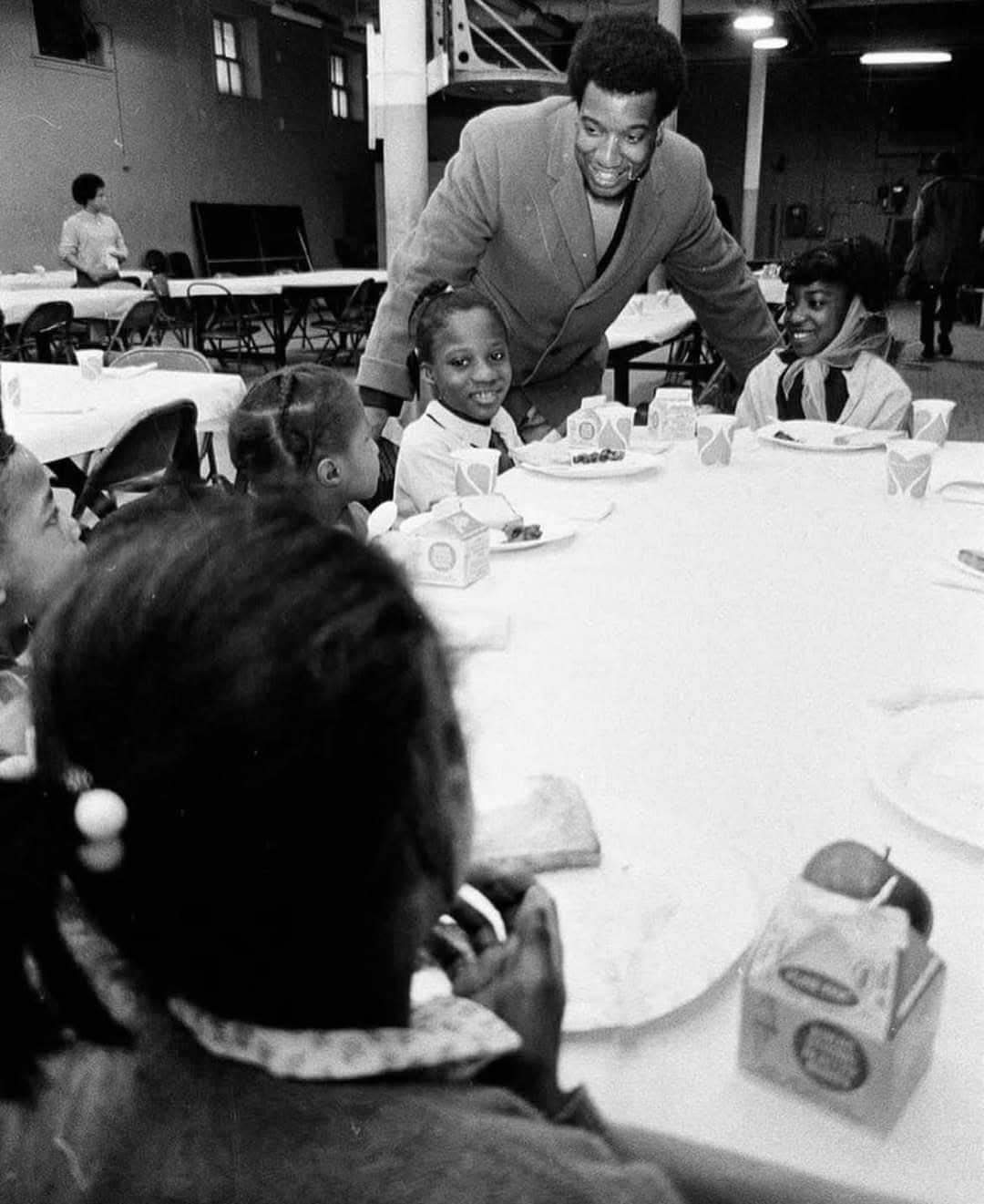
The Illinois Panthers ran 65 survival programs across more than 80 sites, including:
Direct Care
Free Breakfast for Children
Free clothing and shoes
Senior support
Health & Safety
Free medical clinics
Free ambulance services
Drug rehabilitation
Justice & Defense
Legal aid
Prisoner support
Community patrols
Education & Infrastructure
Political education
Housing and tenant support
Their philosophy was foundational:
Care was their politics.
Survival was their strategy.
Solidarity was their weapon.
“A child fed is more dangerous to an oppressive system than any bullet ever fired.”
Why the Assassination Failed
If the state believed killing Fred would end the movement, it misunderstood something fundamental:
He was not the movement;
he was its architect.
The programs were the movement.
The care was the movement.
The people, organized, were the movement.
And so, decades later, when a Chicago mayor stands before the UN demanding accountability, he is speaking from the blueprint Fred left behind.
Continuities: The Rainbow Returns and the NCCF
Look around Chicago today and you will see Fred’s work living on in:
The Chicago Workers’ Collaborative fighting for migrant labor rights
The Lift the Ban Coalition resisting displacement
GoodKids MadCity confronting state violence
Mutual aid networks delivering food, medicine, and dignity
These are not echoes.
They are living inheritances.
And after Fred’s assassination, the struggle did not die.
It continued in Maywood, on Fifth Avenue, under a new banner:
The National Committee to Combat Fascism (NCCF)
Born from the 1969 United Front Against Fascism conference in Oakland, the NCCF carried the work forward as repression intensified.
The name changed.
The tactics adapted.
The repression continued.
But the mission—community defense and survival—remained intact.
The pattern of repression held.
And so did the resistance.
The beat went on.
The Beat Goes On — And What Winning Really Means
But what does it mean to win against what we know is coming?
We face an era of escalating authoritarian ambition. Tens of billions of federal dollars are being marshaled for detention, surveillance, militarized borders, and the implementation of Project 2025—a blueprint for consolidating minority rule and dismantling civil rights protections.
We will see intensified raids, expanded police powers, attacks on voting rights, targeted repression, and the criminalization of dissent.
Victory in such a moment is not sentimental.
It is infrastructure.
To win is to build:
Organizations that can withstand repression.
Networks that blunt state cruelty.
Coalitions that refuse to fracture.
Strategies that protect the vulnerable.
Movements too large to silence.
Victory means showing up for our neighbors when raids begin.
Protecting communities marked for removal or surveillance.
Protesting, lobbying, litigating, voting—
and educating with the urgency of people who know the cost of failure.
The next three years will test every lesson our elders left us.
Fred understood this terrain.
He lived it.
“You can kill a revolutionary, but you can’t kill the revolution.”
Because the revolution is not a person.
It is the people themselves—organized, awake, unafraid.
We continue to build on the best of our ancestors:
their memory, their blueprints, their strategies, their courage.
We build in rooms haunted by history,
but we build for the living.
We build with Fred’s joy,
with Iberia’s solidarity,
and with the certainty that a community that can feed, house, and heal itself
is a community already preparing to win.
The beat goes on.
Not as comfort—
but as commitment.
And when we rise in numbers too great to suppress,
too united to fracture,
too grounded in care to be uprooted—
that is when we will win.
Not easily.
Not quickly.
But absolutely.
———————————-
https://ilbpp.org/
Further Reading: The Legacy, Strategy & Imagination of Black Liberation
Histories of the Panthers & Freedom Movements
The Assassination of Fred Hampton — Jeffrey Haas
The definitive investigation into the state-coordinated killing and its political context.Revolutionary Suicide — Huey P. Newton
Foundational text of Panther philosophy, strategy, self-defense, and internal contradictions.Seize the Time — Bobby Seale
A frontline account of the Party’s formation, discipline, and evolving political program.The Black Panther Party: A Graphic Novel History — David F. Walker & Marcus Kwame Anderson
A visually powerful, accessible retelling rooted in survivor testimony.
Black Radical Theory & Political Imagination
Black Marxism — Cedric J. Robinson
Essential for understanding the Black Radical Tradition and why the Panthers were never simply Marxist.Freedom Dreams: The Black Radical Imagination — Robin D.G. Kelley
A blueprint for imagining liberation beyond resistance — perfect resonance with your essay’s ending.We Do This ’Til We Free Us — Mariame Kaba
Modern abolitionist strategy in the lineage of Panther survival programs.The Wretched of the Earth — Frantz Fanon
Core text on colonial violence, organized resistance, and political becoming.
State Violence, Surveillance & Counterinsurgency
The COINTELPRO Papers — Ward Churchill & Jim Vander Wall
Meticulous documentation of federal counterinsurgency operations, including the Chicago chapter.Race After Technology — Ruha Benjamin
Shows how modern surveillance extends COINTELPRO logic into algorithmic governance.Dark Matters: On the Surveillance of Blackness — Simone Browne
Connects historical policing to present-day digital monitoring — perfect counterpoint in your Chicago framework.
Community Infrastructure & Movement-Building
Let This Radicalize You — Mariame Kaba & Kelly Hayes
Strategic handbook on sustaining movements in dark times — mirrors your essay’s closing argument that victory is capacity.How We Get Free: The Combahee River Collective Statement — Keeanga-Yamahtta Taylor, ed.
Demonstrates how intersectional political clarity becomes organizational power.Emergent Strategy — adrienne maree brown
Useful for your theme of movements as adaptive, resilient infrastructures — not symbolic gestures.
Local, Lived, Survivor-Based History
Illinois Black Panther Party: National Register of Historic Places — https://ilbpp.org/
The most essential, community-led preservation of the Illinois chapter — the living archive of survivor testimony.