
The Platform Is the Casino
Dispatch from Bronzeville, where circulation still finds a way

by Floyd Webb - BlacknussNetwork.com
February 26, 2026 — Chicago
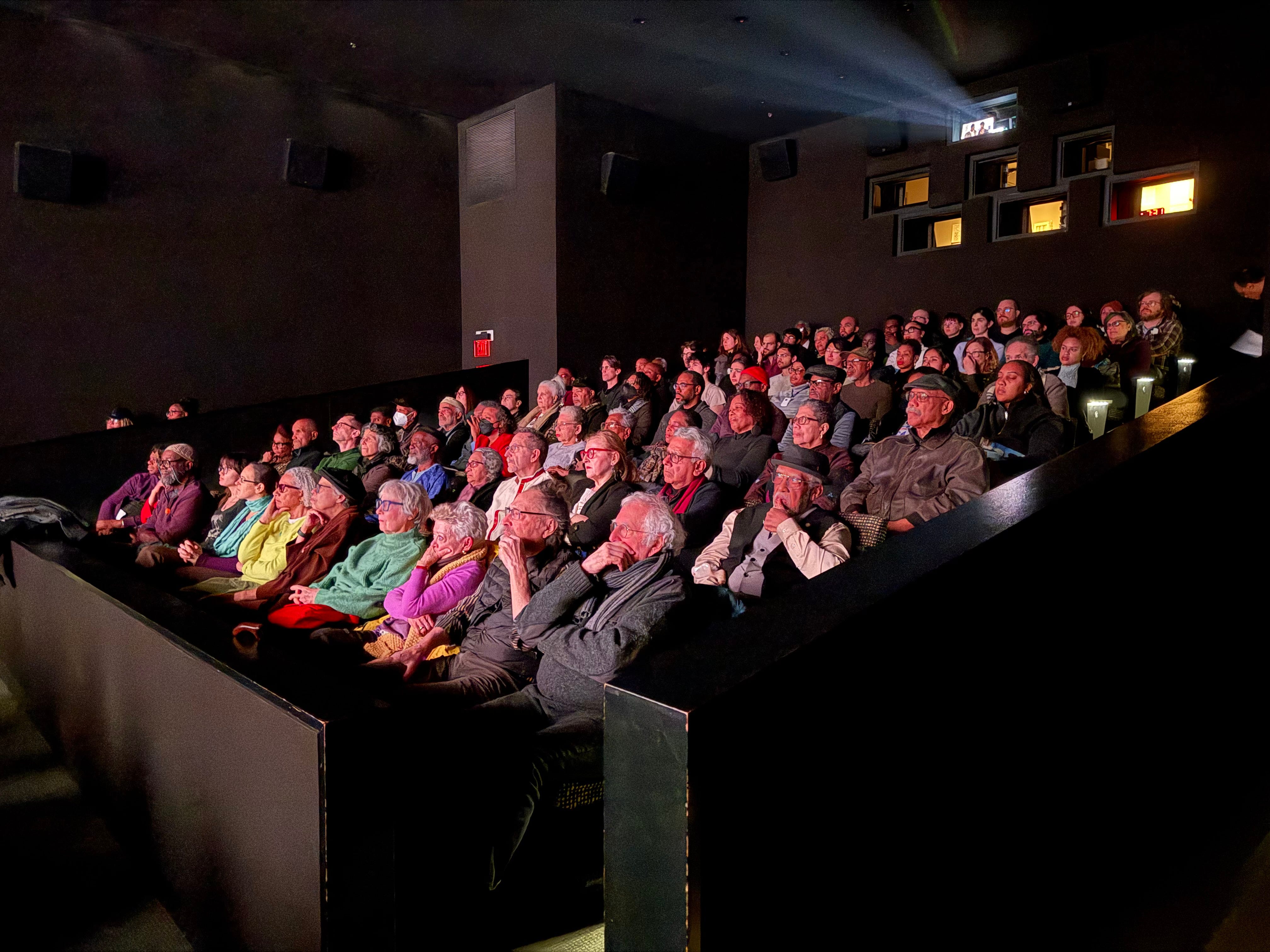
On February 26, 2026, at the Logan Center for the Arts, we held a screening in Chicago.
A feature film on Frantz Fanon—directed by Jean-Claude Barny—a work that, despite its significance, has no formal distribution in the United States. It has only been seen in a handful of cities.
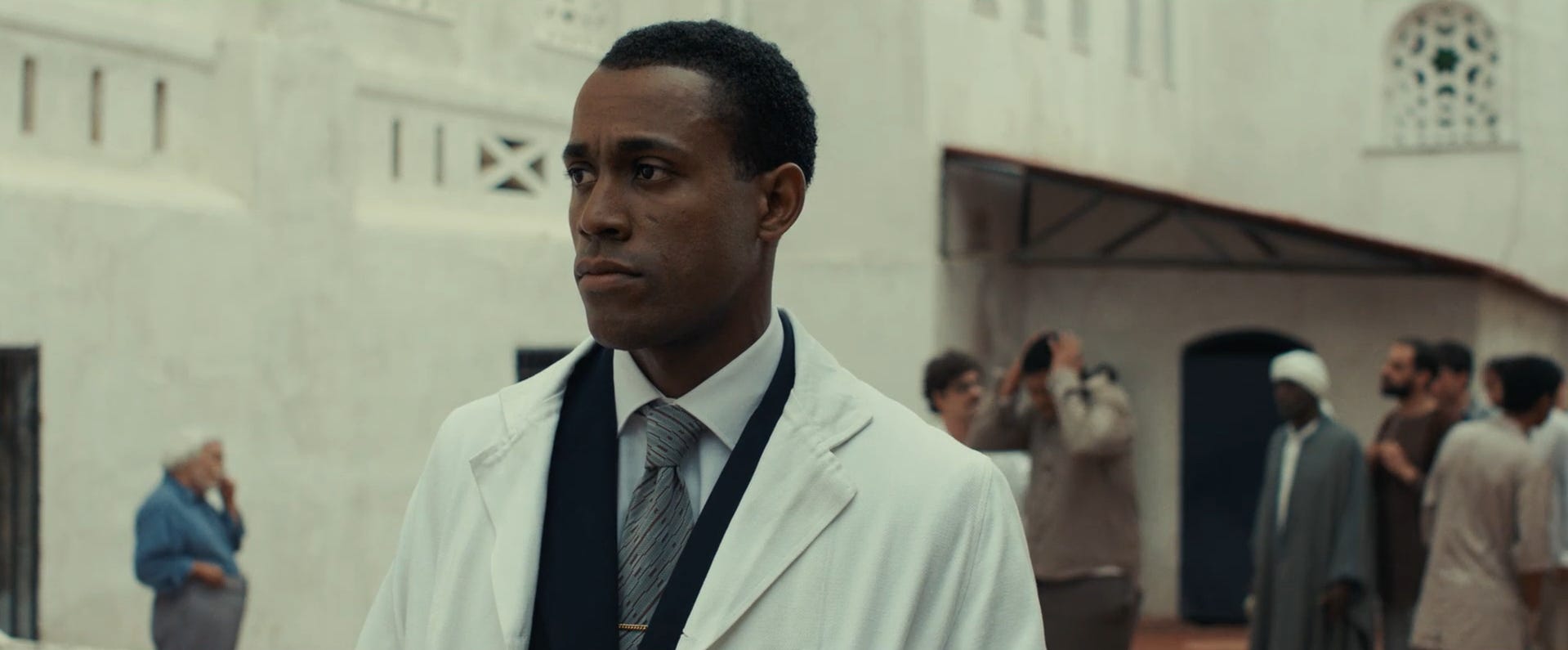
We built that screening ourselves. BlacknussNetwork.com in collaboration with the Black United Fund of Illinois, Inc, Hot House, Heartland Radio video podcast, Hitting Left Podcast, Lumpen Radio, and South Side Drive Magazine. Our first live event proving the thesis we propose in full social context.
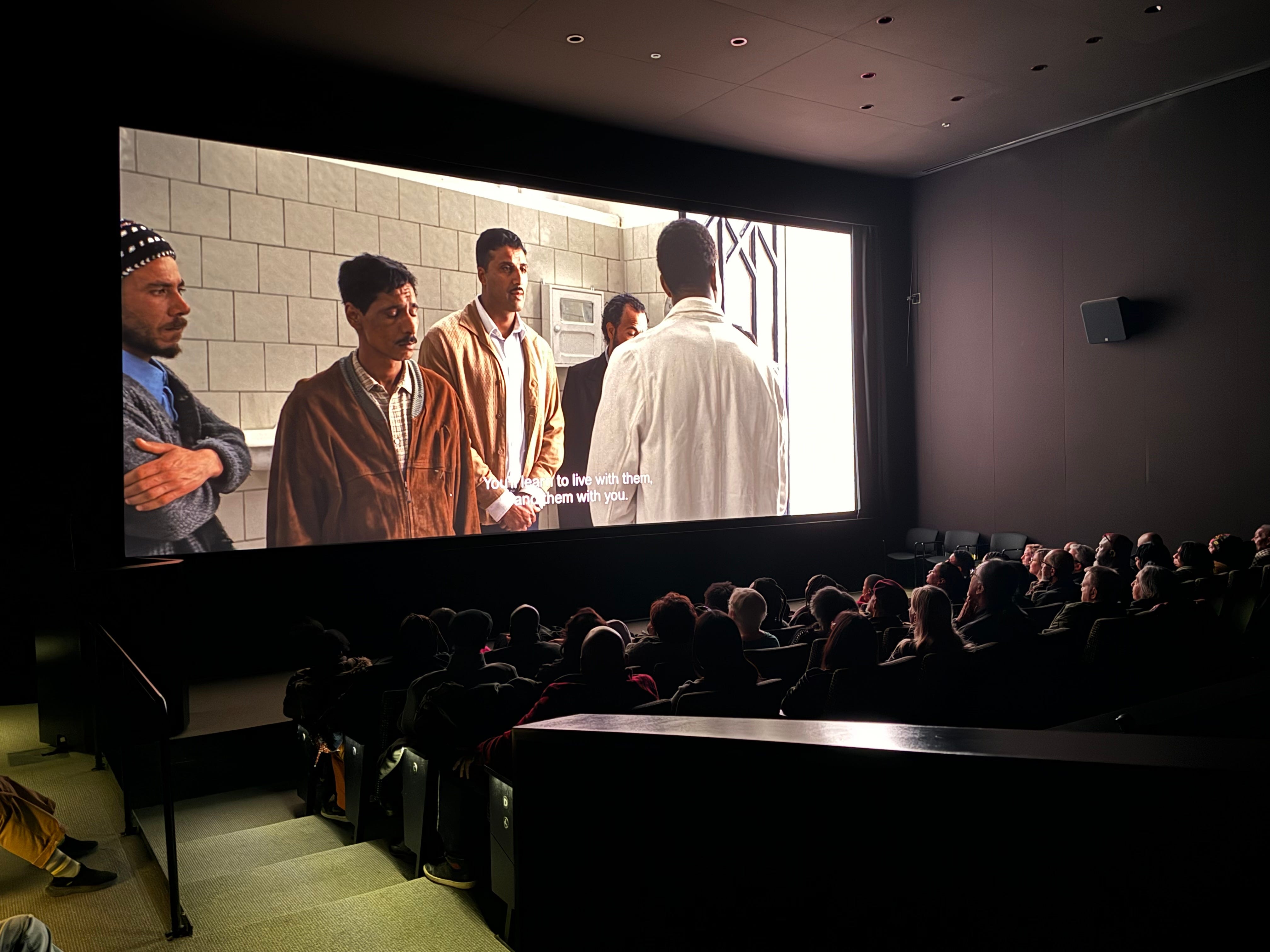
It took a coalition to do what the platform could not.
Not through an algorithm.
Not through a platform push.
Through relationships, outreach, and intention.
The result was a sold-out room.
An audience that stayed present.
A panel that carried the conversation forward well beyond the credits.
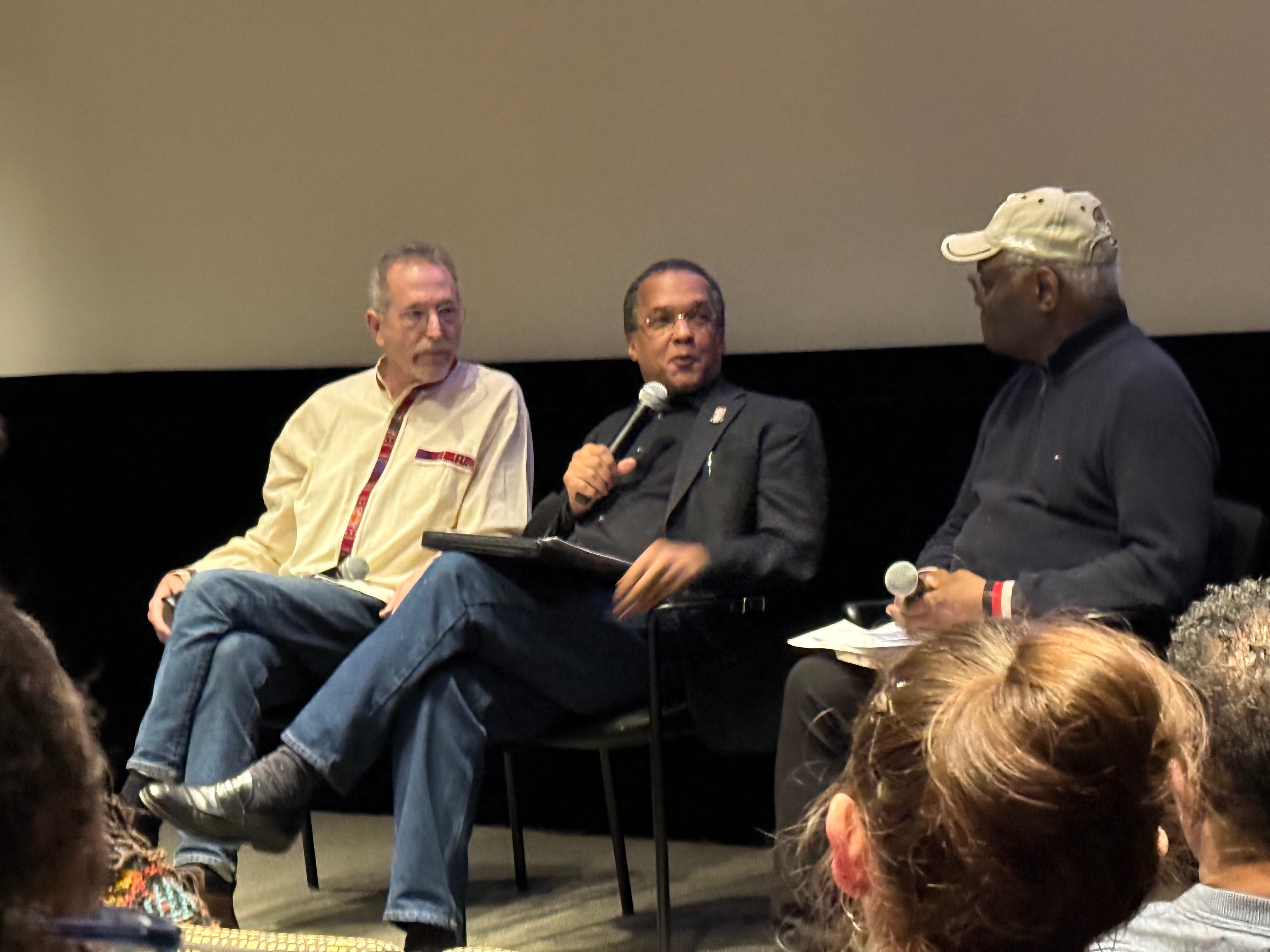
And something else—something harder to measure but immediately recognizable:
People encountering Fanon not as theory, not as archive—but as a living figure inside a dramatic narrative.
Circulation is not just movement. It is encounter.
There was also a lesson in the room.
Despite our materials, many people arrived expecting a documentary.
Because that is what the system has trained us to expect.
Every year, a narrow range of forms is allowed to circulate.
Certain subjects appear—but only in certain containers.
This was something else.
And that difference revealed something deeper:
The system does not just distribute films. It disciplines form.
Before the Platforms
On 47th Street, before the apps, before the platforms, circulation had a physical rhythm.
Records moved hand to hand.
Flyers passed across counters.
A screening wasn’t an upload—it was a gathering.
You knew who brought the work.
You knew who showed up.
You knew where the energy went after.
That was a system.
Not perfect. But legible.
The platform is not a neutral space. It is an architecture.
The System We Entered
There was a moment when digital distribution felt like a door opening.
But what we entered was not a commons.
It was a system engineered for continuous engagement.
What the casino calls odds, the platform calls algorithms.
In a casino, the goal is not for you to win.
It is for you to remain inside the system.
Natasha Dow Schüll describes this as the “machine zone”—a space engineered not around winning or losing, but around continuous play.
The machine adapts to the player.
The environment removes friction.
Time disappears.
The outcome is not the jackpot.
The outcome is duration.
Now look at the platform.
Autoplay.
Endless scroll.
Recommendation loops.
The system does not optimize for discovery—it optimizes for retention, shaping what is visible and what remains buried. As Safiya Umoja Noble argues, these systems are structured hierarchies, not neutral pathways.
The goal is not success. The goal is continuous participation.
A filmmaker uploads a film.
The platform does not ask:
Who needs to see this?
It asks:
How long can we keep someone watching?
An audience member presses play.
The system does not guide them toward meaning.
It guides them toward the next piece of content—capturing behavior, refining prediction, and turning attention itself into extractable value. As Shoshana Zuboff makes clear, this data is the product.
Like the casino, the platform takes a percentage of every interaction—and keeps you inside the loop.
The film disappears into a library.
The viewer disappears into a feed.
The platform captures both.
The Parallel System
In Chicago—and across working-class communities—another version of this system has expanded rapidly.
Since the legalization and aggressive expansion of mobile sports betting in Illinois after 2019, gambling platforms have proliferated across the city, with advertising and access concentrated in South and West Side neighborhoods already marked by economic precarity.
Not the casino floor, but the phone.
Instant access.
Instant wagers.
Continuous play.
The system is calibrated so that losing does not produce exit—it produces re-entry.
Small losses.
Near wins.
Constant feedback.
The system keeps you inside.
The same logic governs cultural visibility.
Low visibility.
Occasional spikes.
Rare breakthroughs.
The same structure governs both:
loss is distributed, while hope is amplified.
This is not metaphor. It is architecture.
The Break
So what we experienced with the Fanon screening matters for a different reason.
It broke the loop.
The film did not disappear into a catalog.
It held people in place.
Even after the credits, no one rushed out.
People stayed in their seats. Then they stood in the aisles. Then they moved into the lobby. The conversation stretched.
The work did not end at the screen. It moved through the room.
We sold the screening out. Then we oversold it. People were turned away.
And in the days and weeks that followed, something even more unusual happened:
People kept talking about the film.
Not online. Not as content.In the street. In passing conversations.
With a seriousness and enthusiasm I haven’t seen in a long time—especially in a moment otherwise dominated by the noise of awards season.
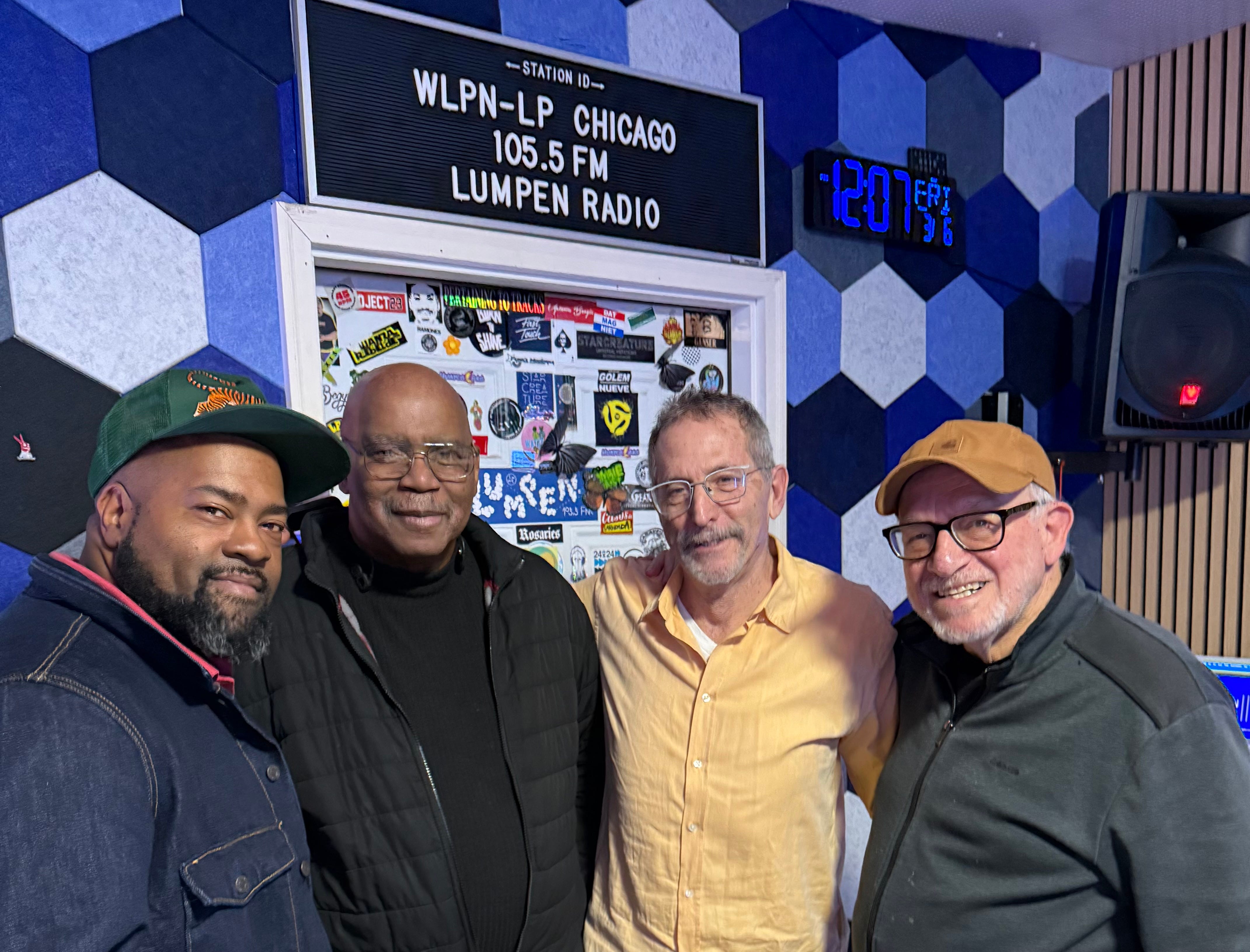
The film traveled further in conversation than it ever could have in the feed.
People have been asking us to bring it back.
And we will.
At the end of April, we’ll return to the Logan Center for the Arts and do it again.
Circulation does not end with the screening. It continues through people.
And then, only after that:
It generated revenue directly tied to presence.
Not clicks.
Not impressions.
But people showing up, together, in time.
For one night—and beyond it—the system did not extract. It circulated.
That is the difference.
The Refusal
Blacknuss begins from that point.
Not from theory—but from what worked.
A film enters the platform.
It is introduced, not uploaded.
It is contextualized, not buried.
It moves outward:
into screenings
into conversations
into community
And then it returns.
The goal is not distribution. It is circulation.
Circulation, too, has its limits.
It can become insular.
It can reproduce its own forms of gatekeeping.
But unlike the platform, its constraints remain visible—and therefore open to change.
In this model:
revenue flows back to filmmakers
audiences become participants
films accumulate meaning over time
In a system built to keep you inside, circulation creates exit.
Frantz Fanon wrote about the necessity of breaking the structures that contain us—not simply entering them on better terms.
What we are facing now is not only a political question, but a cultural one:
What does it mean to build systems where movement is not captured, but sustained?
As Achille Mbembe reminds us, power is often exercised through the control of life’s conditions—what is allowed to appear, to move, to endure.
Distribution is one of those conditions.
Closing
After the screening, people didn’t leave right away.
They stood in the lobby.
They argued.
They exchanged numbers.
Weeks later, they were still carrying it.
Still bringing it up.
Still working through it.
The film was over, but something else had started.
That is what the platform cannot measure.
That is what it cannot capture.
And that is where the future of independent cinema still lives.
Not in the feed. Not in the algorithm.
But in the room—and in what travels afterward, from person to person, long after the screen goes dark.
If you want to know what circulation looks like when it isn’t extraction—come find us.
👉 [Join Blacknuss Network]
— Floyd Webb
Subscribe to Blacknuss.tv
Further Reading
Natasha Dow Schüll. Addiction by Design: Machine Gambling in Las Vegas. Princeton: Princeton University Press, 2012.
Shoshana Zuboff. The Age of Surveillance Capitalism. New York: PublicAffairs, 2019.
Safiya Umoja Noble. Algorithms of Oppression. New York: NYU Press, 2018.
Achille Mbembe. “Necropolitics.” Public Culture 15, no. 1 (2003): 11–40.
Frantz Fanon. The Wretched of the Earth. New York: Grove Press, 1963.