
We Do Not Put It Down
Photography, Power, and the War on Witness

by Floyd Webb
⸻
Begin with the dead.
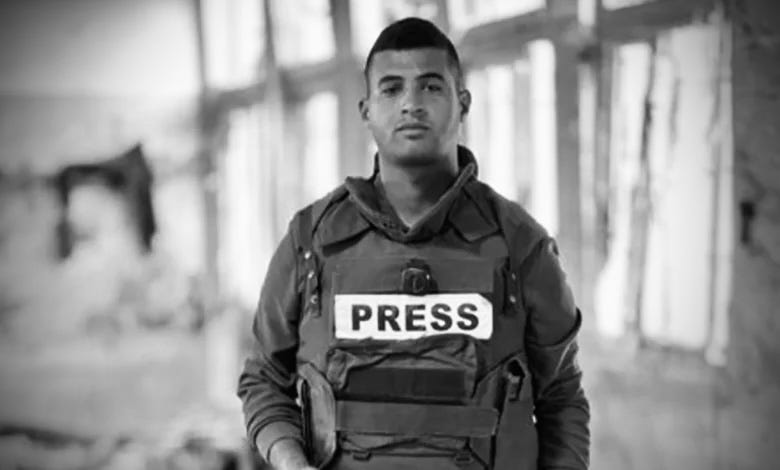
Hossam Shabat was 23 years old. He was a correspondent for Al Jazeera, filing from northern Gaza until an Israeli drone strike hit his car near the Indonesian Hospital in Beit Lahia on March 24, 2025. He was wearing his press vest. He knew what he was doing was dangerous. He kept filming anyway.
He was one of more than 270 Palestinian journalists and photographers killed since October 7, 2023, according to the Committee to Protect Journalists, an independent organization that tracks press freedom and journalist casualties worldwide.
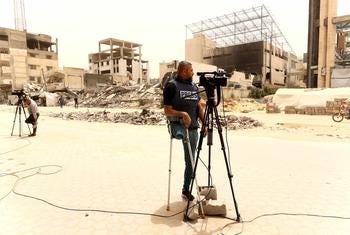
More journalists have been killed in this period than in both World Wars, Korea, Vietnam, the Yugoslav Wars, and the post-9/11 wars in Afghanistan combined. Most of them Palestinian. Many of them young. All of them doing what I was trained to believe was among the most honorable things a person could do with a camera.
"After losing my leg in the war, I returned to photojournalism not just for work, but because I have loved photography since childhood," said Palestinian reporter Sami Shahada.
I know something about that calling. Not the combat, but the calling.
I joined the American Society of Magazine Photographers in Chicago when I was nineteen years old. It was a vetted process. You didn’t apply so much as you presented yourself to your peers—a portfolio review, a judgment rendered by working craftsmen who knew nothing about you except what the work said. When I was accepted, I don’t think I had ever felt so honored in my life.
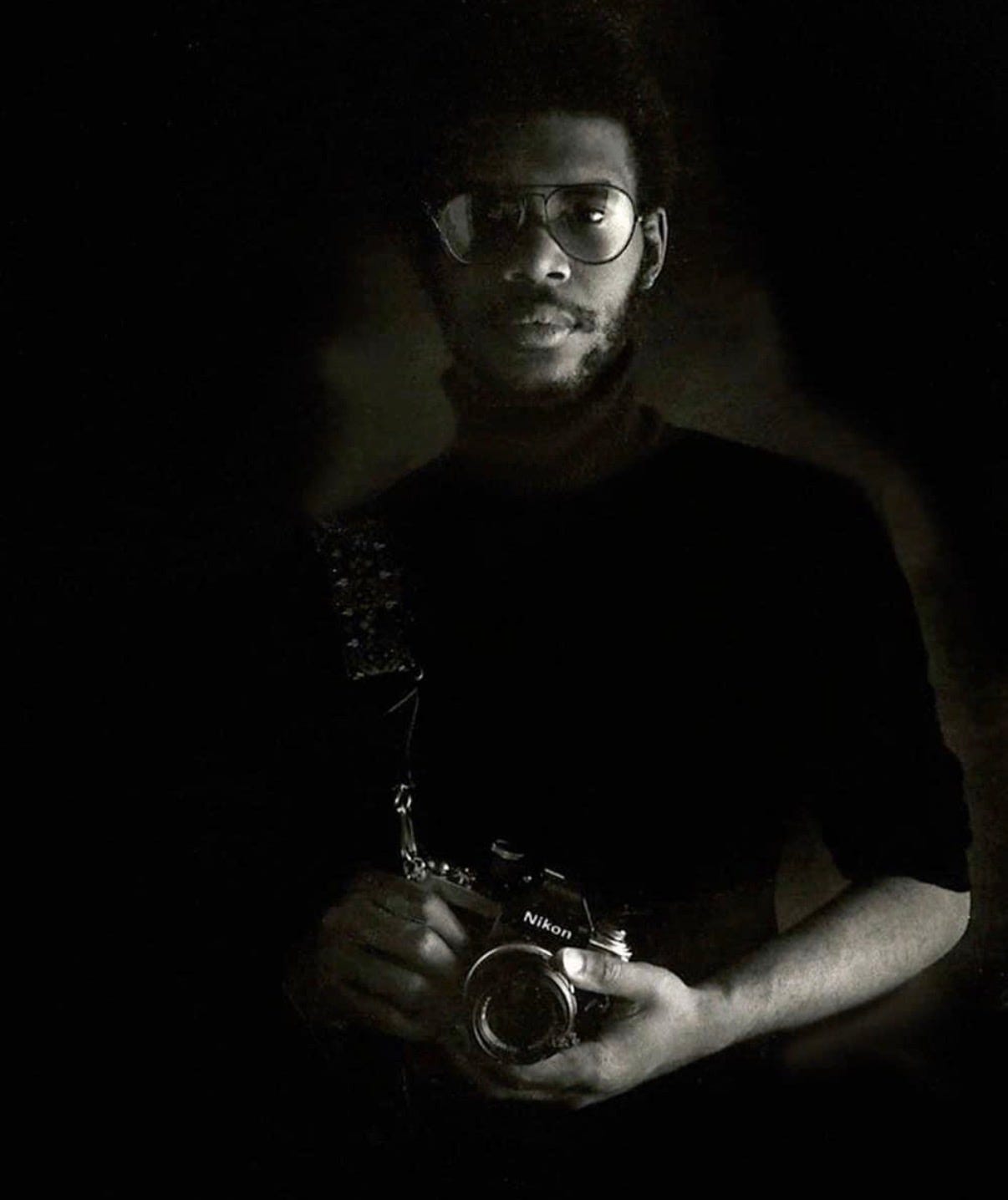
I left the United States at twenty to work abroad. I was young and serious and in love with photography the way you fall in love with something that found you before you understood what it was.
That love had a specific origin. I was born in the 1950s, which meant I was besieged—in the best possible sense—by the photography of World War II and Korea. Life magazine. Look magazine. The incredible photography collection at the Chicago Public Library. I haunted the photo labs at the Sun-Times and the Tribune, a nuisance with purpose, following the thing I had come to love.
What I absorbed in those years did not feel like spectacle. Even at ten or eleven years old, I understood that. The photographs of Margaret Bourke-White taken inside the liberated concentration camps did not exploit the dead. They bore witness to them. There is a difference—a moral difference—that I felt in my body before I had language for it.
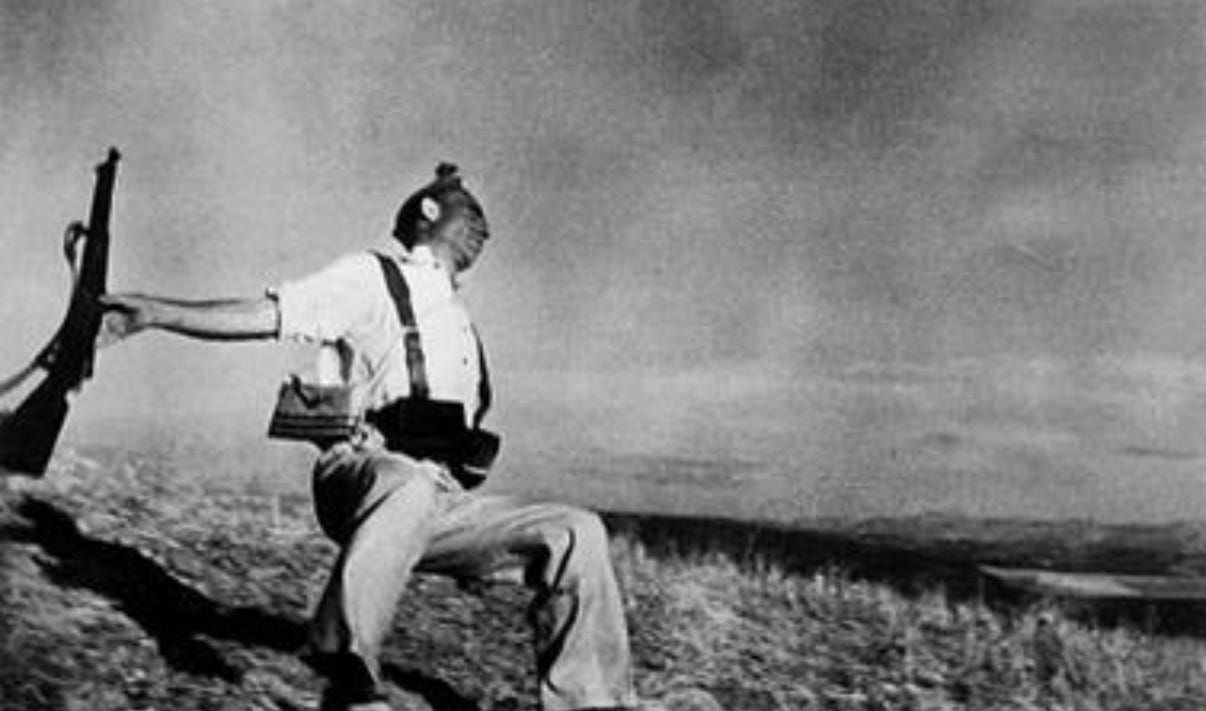
There was one image by Robert Capa that never left me: a soldier on a battlefield, struck in the moment of impact, his rifle flying from his hand. I later came to understand this was most likely The Falling Soldier, taken during the Spanish Civil War in 1936—an image that has been debated for decades, its authenticity questioned, its staging argued over. That debate matters because it forces the question of what we expect from a war image—truth, construction, or something in between.
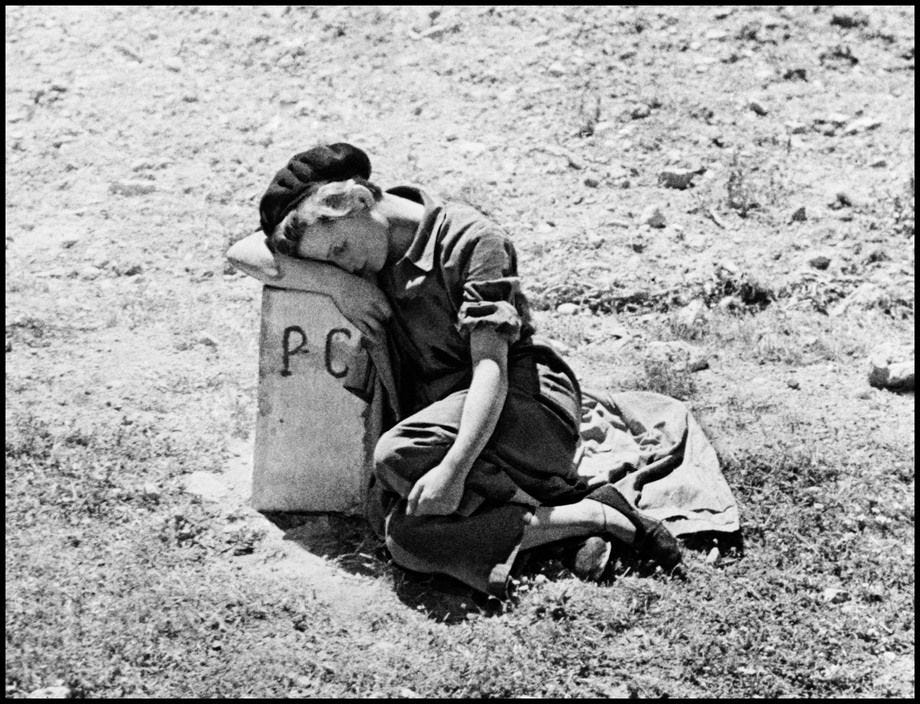
That same war took the life of Gerda Taro, one of the first modern war photojournalists to understand the camera as both witness and participant. She was 26 years old when she was killed in 1937 while covering the Battle of Brunete, crushed by a tank during a chaotic Republican retreat. Taro was not an observer at a distance. She worked close—inside the movement of troops, inside the instability of the front—producing images that refused the distance and detachment that earlier war photography often maintained. Her death marks an early boundary point in the history of the medium: the moment when bearing witness was no longer simply dangerous, but inseparable from the conditions of war itself.
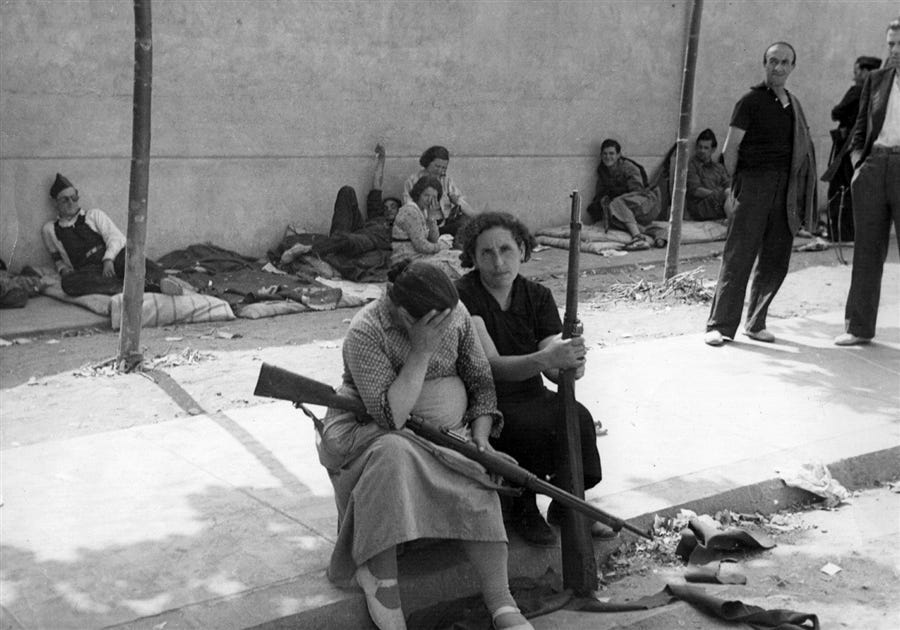
But whatever uncertainty surrounds that photograph does not diminish what Robert Capa did later on Omaha Beach. The images he made on D-Day—blurred, unstable, nearly destroyed in processing—are unimpeachable. They do not aestheticize war; they transmit its confusion, its terror, its immediacy. What stayed with me was not the question of staging but the feeling that a single frame could carry the full weight of a human life crossing into death.
Necessary sadness. A warning written in light.
I loved Capa. I loved Bourke-White. But it was Gordon Parks who grounded me—who showed me that the camera didn’t have to go to war to tell the truth about what war costs. Parks covered race in the military.
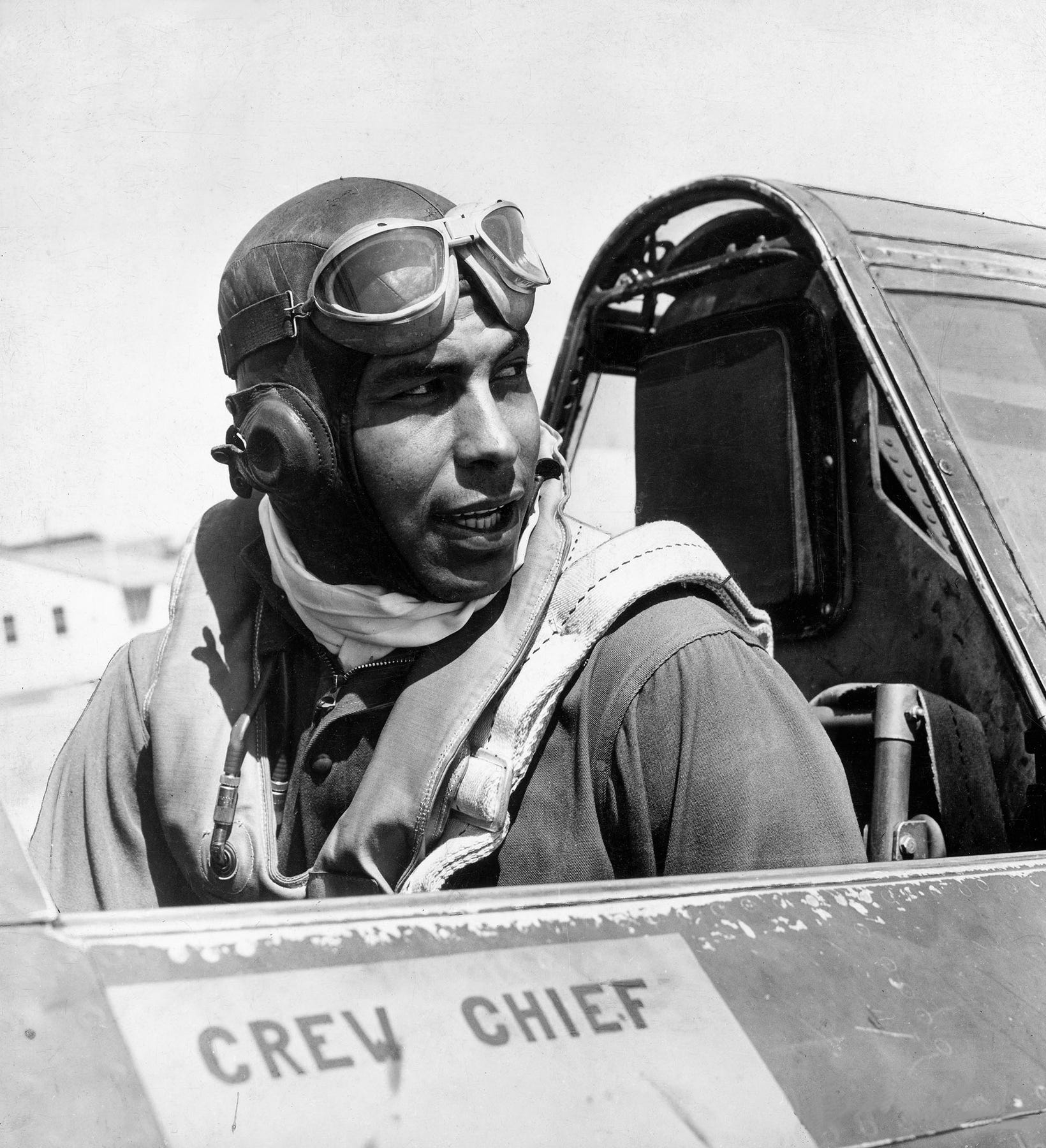
He documented what American apartheid looked like when it put on a uniform. He was fighting a war at home, and he fought it with beauty, precision, and a moral clarity that never flinched.
That was the tradition I entered. That was the practice I believed in. And what has been done to the young people carrying cameras in Gaza is the context in which everything that follows must be understood.
⸻
There was a time when the camera and the state shared an understanding. Not an innocent one, and not without manipulation, but a functional compact: the cost of war must be witnessed, the dead must be counted, and the faces must be seen. Without that, sacrifice becomes abstraction, and abstraction is what governments need to keep sending young people to die.
“The cost of this war must be witnessed. The dead must be counted. The faces must be seen.”
World War II produced the greatest concentration of photographic witness in the history of the medium. Robert Capa on Omaha Beach. The Magnificent Eleven—blurred, chaotic, terrifying—exactly what it felt like to wade through cold water toward death. No staging, no heroics, just the shaking world as it was. Margaret Bourke-White at Buchenwald, photographing the skeletal survivors at the wire and the dead who could no longer speak. Patton forced German civilians to walk through the camp because he understood something fundamental: seeing makes denial impossible.
These photographers were protected not because the state was benevolent, but because legitimacy required witness.
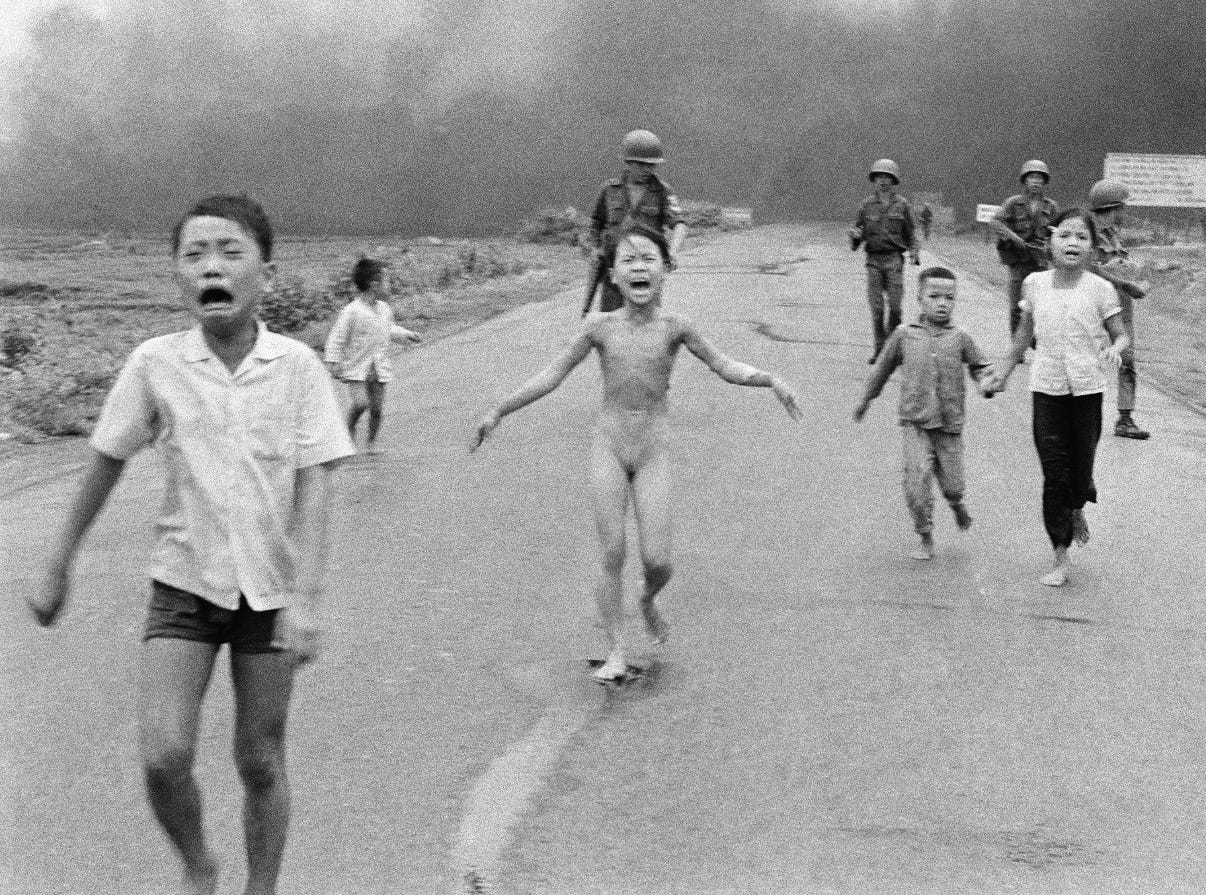
Then came Vietnam. Vietnam did not change photography; it revealed what photography could do when it stopped serving the state’s story. Nick Ut’s “Napalm Girl” showed what a military operation felt like to a child. Eddie Adams’ “Saigon Execution” collapsed all official language into a single irreducible act of violence. Philip Jones Griffiths’ Vietnam Inc. did not just document the war—it built an argument about it.
The military took notes. The lesson was not that the war had been wrong. The lesson was that the images had been uncontrolled.
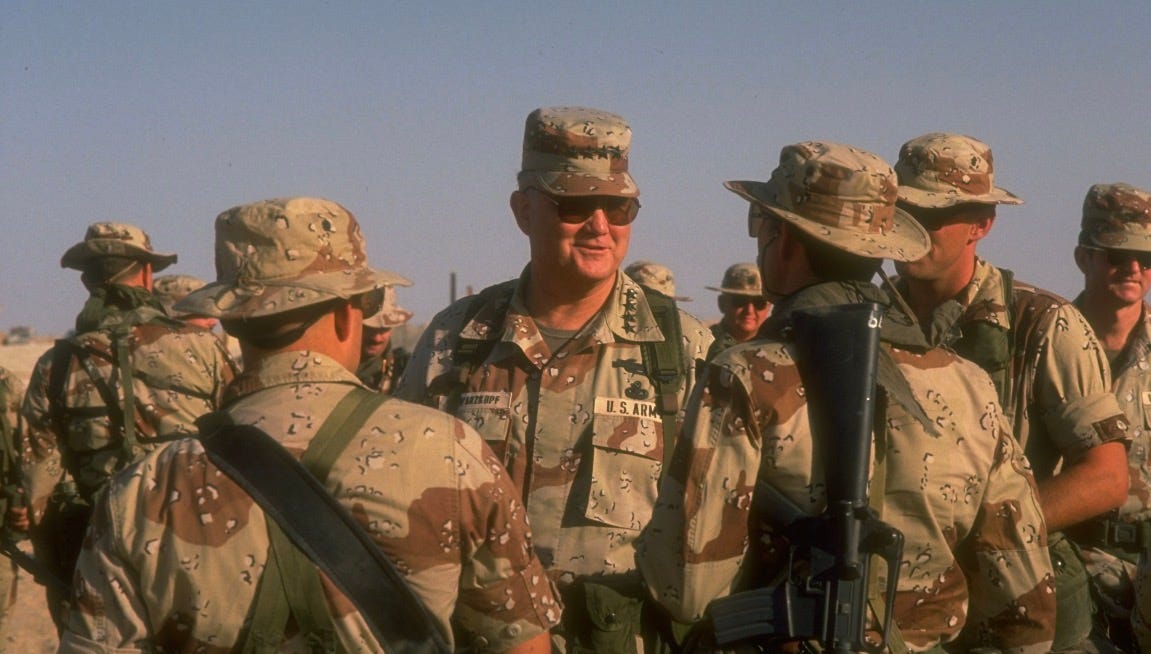
The Gulf War introduced the pool system. Iraq refined it through embedding. Access increased, but autonomy disappeared.
You got closer. You saw less.
The progression is not accidental. It is policy. Control the image, preserve the idea of war, eliminate its consequences from view.
And then Gaza. When control fails, elimination replaces it.
When you cannot control the witness, you kill the witness.
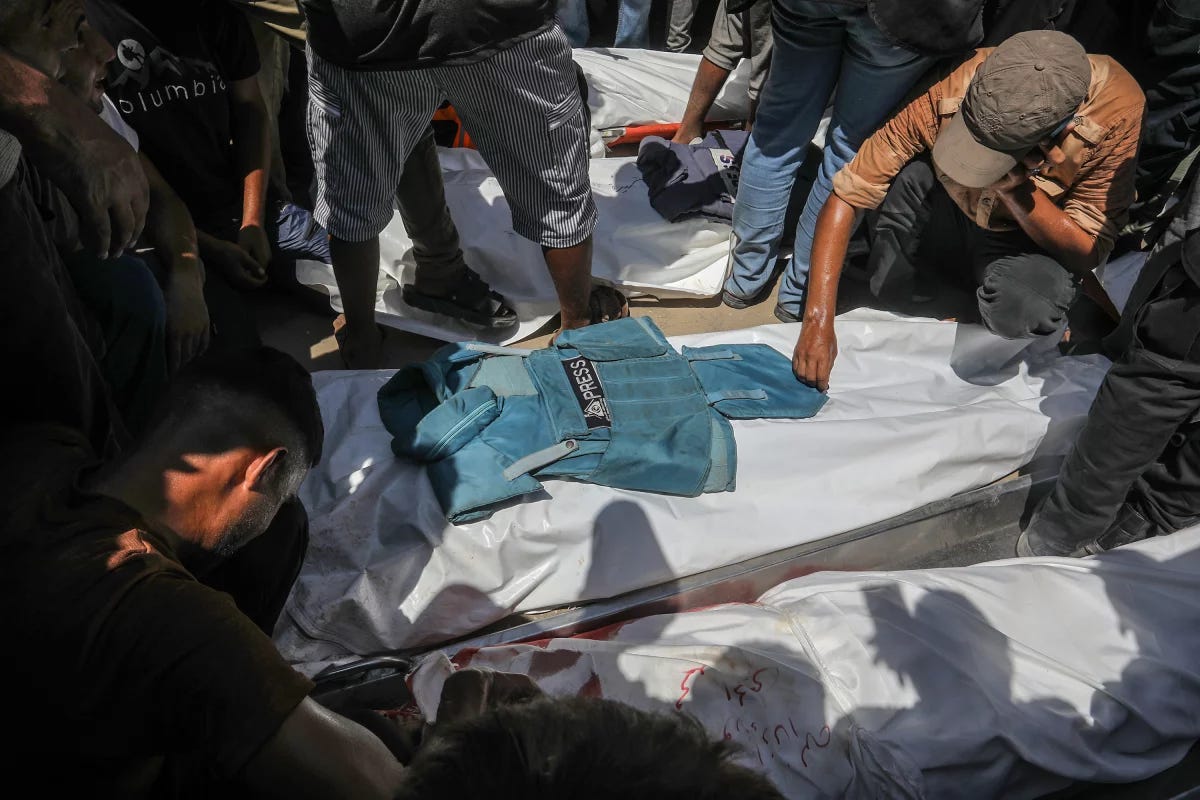
More than 270 journalists were killed—many by targeted strikes, many alongside their families. The Israeli military constructed what +972 Magazine reported was a “Legitimization Cell,” designed to retroactively classify journalists as militants so their deaths could be reframed as military necessity. It did not need to convince everyone. It only needed to justify the act.
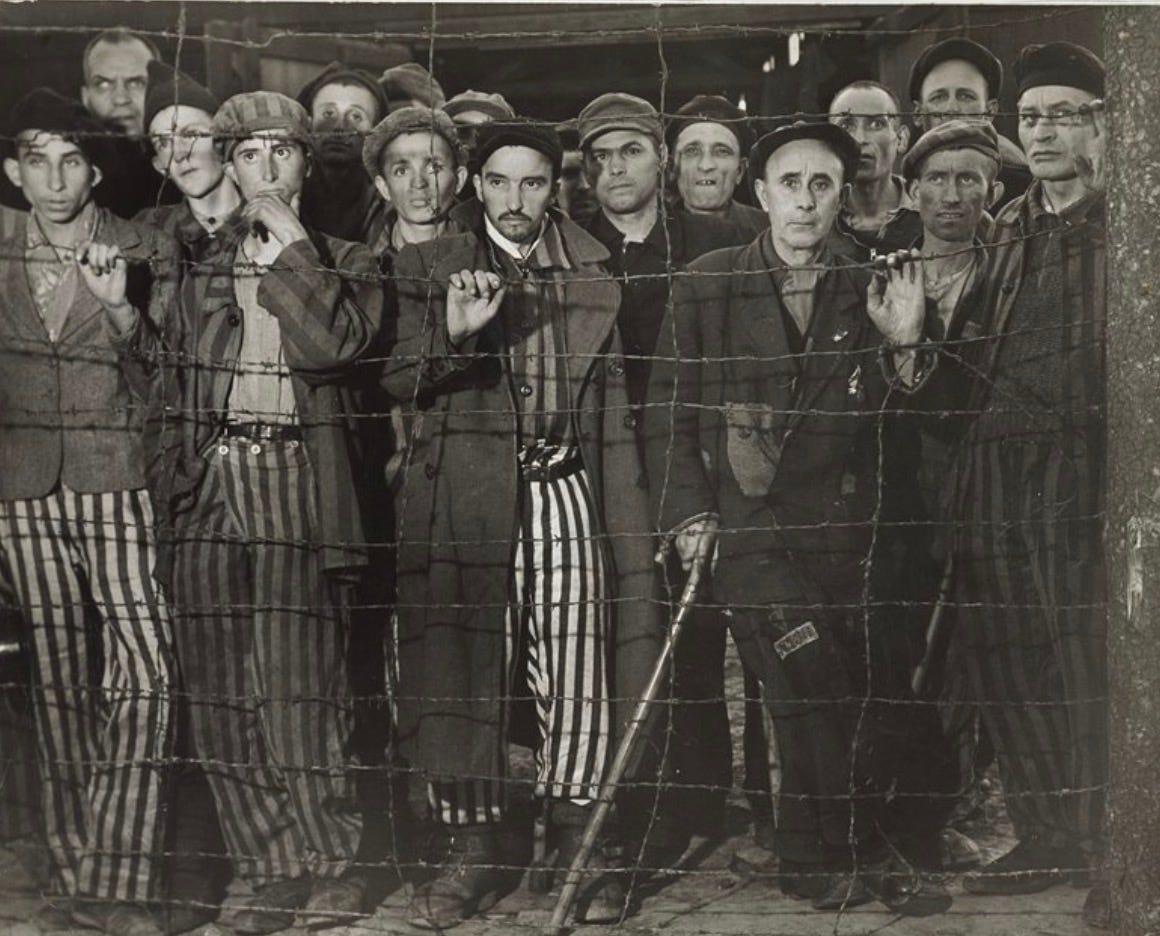
The compact is broken. What Margaret Bourke-White did at Buchenwald—bearing witness so the dead could not be erased—is now the act that makes you a target. That is the history we are living inside. And it is coming home. The irony, in retrospect, is chilling
⸻
The apparatus never stays abroad. It never has. The tools migrate, adapt, and return.
What was learned in Vietnam, refined in Iraq, and executed in Gaza appears domestically in different form but with identical function. ICE’s budget has increased by 265 percent. Detention capacity is expanding from 40,000 to 160,000 beds, most of them in private facilities designed to operate without visibility.
No cameras. No witnesses. No record.
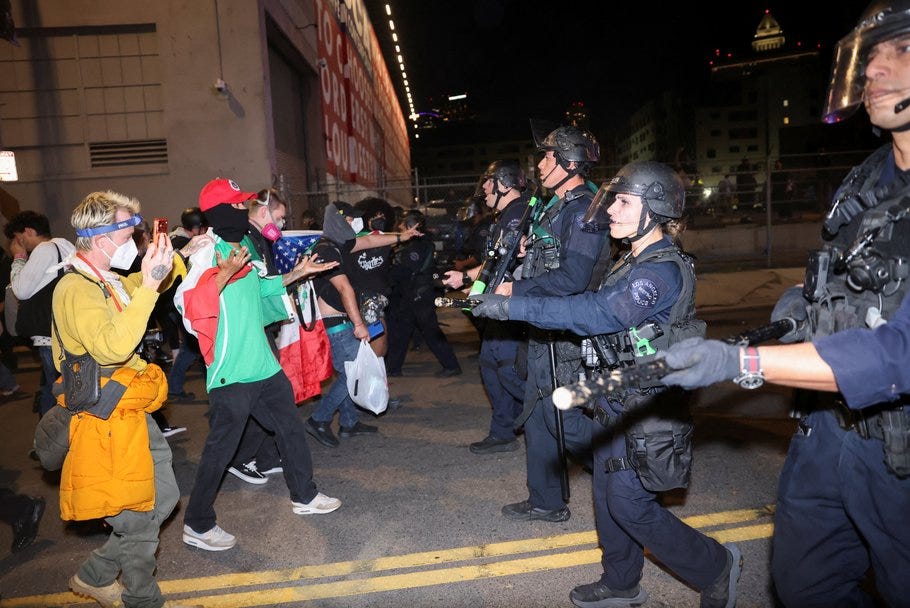
The raids will accelerate as the weather warms. They always do. And the state understands something clearly: documentation is a threat.
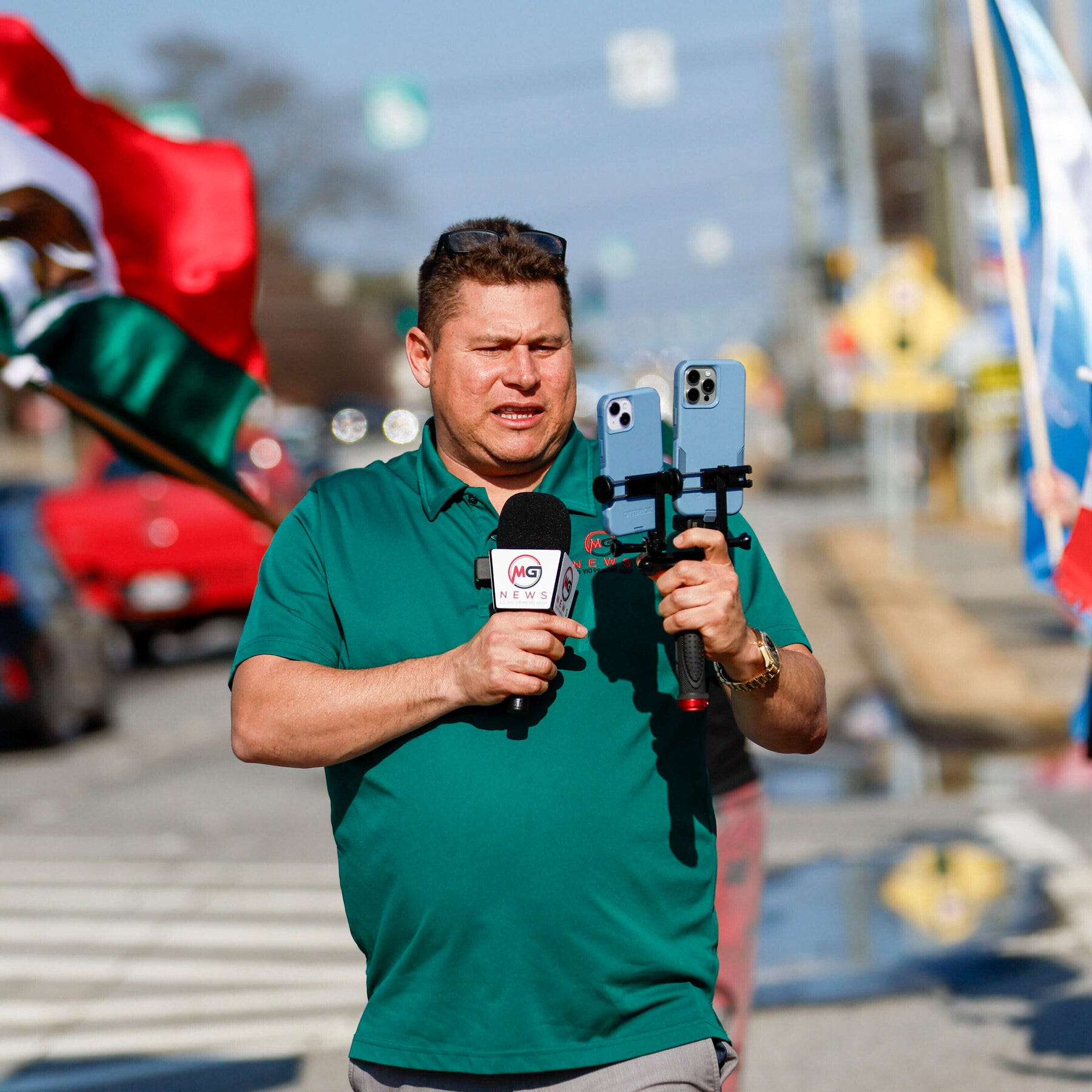
Mario Guevara was arrested while filming and deported. Estefany Rodríguez was arrested despite legal status and released only after sustained pressure. These are not isolated cases; they are signals. The journalists being targeted are those most likely to contradict official narrative—embedded in the communities being acted upon, speaking in languages the mainstream does not.
Silence the witness. Control the image. Manage what the village is allowed to see.
⸻
This is not abstract. It has requirements.
“Vigilance is fear transformed into practice.”
It requires legal preparation before documentation begins. It requires distributed witness—networks, not individuals—so that no single arrest or seizure can erase the record. It requires abandoning the idea that legitimacy comes from mainstream validation and recognizing that documentation itself is now contested terrain.
“The person who points a camera is not a bystander. They are a participant in what will be remembered.”
⸻
There is a Gordon Parks photograph I return to. A Black worker in a Pittsburgh grease plant, steam rising around him, heavy labor etched into the scene. And he is smiling—not for the camera, not performing, but because something inside him has remained intact.
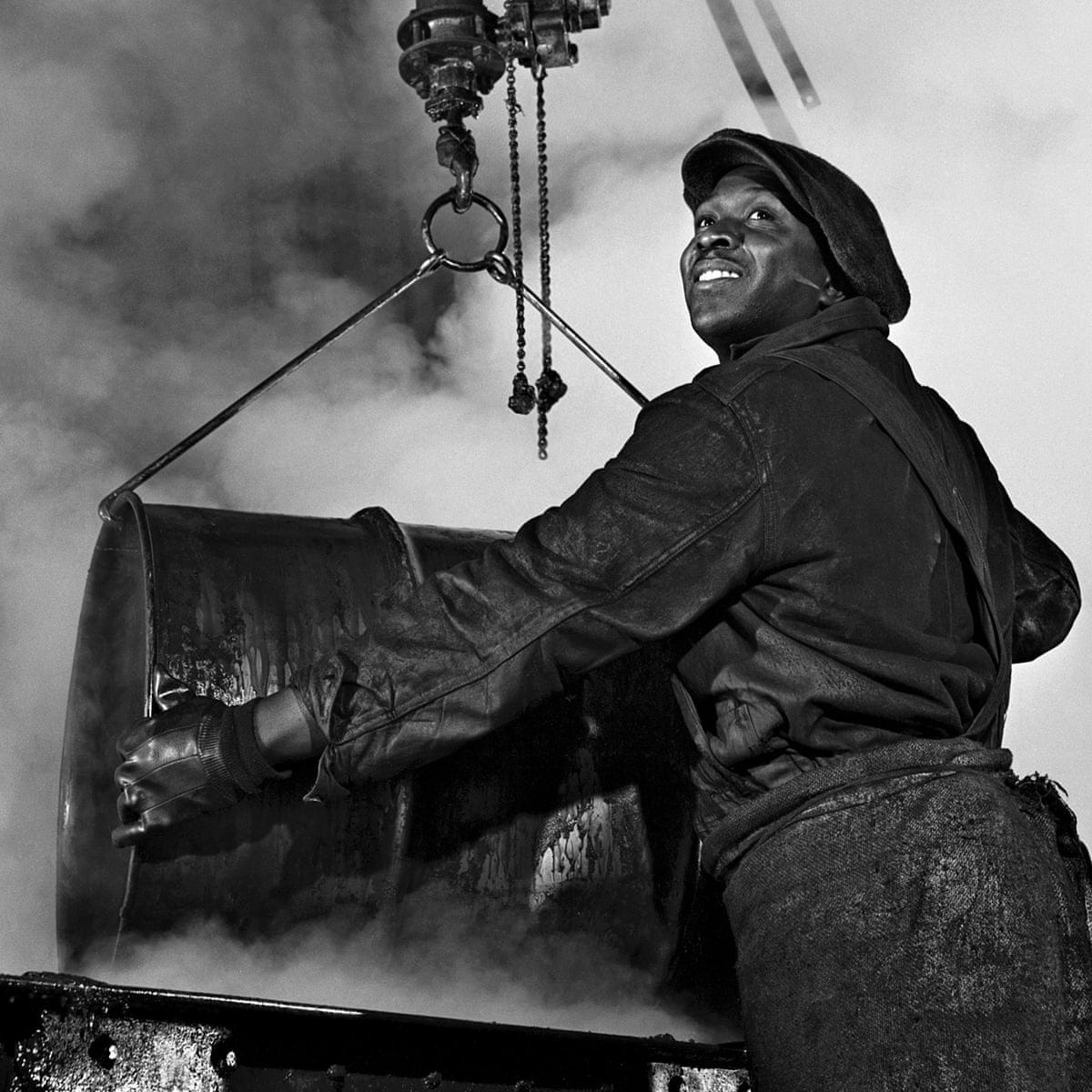
I know that smile.
Before I left for photography, I worked at the point of production. Factory floor. UAW. The kind of work that teaches you what your body is worth to an economy. Parks made me understand that dignity and drudgery coexist, that interior life survives even under pressure. He pointed the camera at what was not supposed to be seen and made it undeniable.
Not escape. Recognition.
That is what I carried into my practice—the belief that the camera, in the right hands, is an instrument of witness that makes the invisible undeniable. Gordon Parks did not go to war; he revealed the war at home.
That is the tradition. That is what Palestinian journalists were killed for practicing. That is what is now under threat wherever power operates without witness.
This is not history. It is present tense.
“The camera was always a conscience.”
They have always known that. That is why they keep trying to take it away.
We do not put it down.
⸻
About the Author
Floyd Webb is a Chicago-based filmmaker, essayist, and curator. He is the founder of the Black Light Film Festival and the Blacknuss Network, and curator of Blacknuss.tv. His essays appear in BFMMag.com and South Side Weekly.
Further Reading
• A Choice of Weapons. New York: Harper & Row, 1966.
• The Magnificent Eleven. 1944.
• The Falling Soldier. 1936.
• Gerda Taro. Photographs from the Spanish Civil War, 1936–1937.
• Vietnam Inc.. New York: Macmillan, 1971.
• Committee to Protect Journalists. Journalist Casualties Database. New York: CPJ. https://cpj.org
• Watson Institute for International and Public Affairs. Costs of War Project: Media and Journalism Casualties. Providence, RI: Brown University. https://watson.brown.edu/costsofwar
•Regarding the Pain of Others. New York: Farrar, Straus and Giroux, 2003.
• On Photography. New York: Farrar, Straus and Giroux, 1977.
• Anteaesthetics. Cambridge, MA: MIT Press, 2023.
Committee to Protect Journalists. Killed Journalists since 1992: Global Database. New York: Committee to Protect Journalists. Continuously updated. https://cpj.org/data/killed/